BRIDPORT, Vt. (AP) — An abrupt swing from hot weather to cold across the Northeast is frustrating some flower and fruit farmers who have had to either harvest blooms extra early or fear they could lose some crops altogether.
Frosty nights aren’t unusual this time of year. Across the region, the average date of the last frost ranges from mid-April to early June, according to the Northeast Regional Climate Center at Cornell University. However, the first half of April was exceptionally warm, and that, coupled with the quick drop in temperature, could cause significant problems for agriculture.
Parts of New England recorded temperatures soaring into the 80s (around 27 Celsius) last week, only to see snow a few days later. The cold snap has continued, with a freeze warning issued for areas in Ohio, Pennsylvania, Virginia, Maryland, and North Carolina.
Ohio farmer Anne Joudrey of Apple Hill Orchards reported that the warm spell had coaxed peach and apple trees into budding early, only to suffer damage from a cold snap that dropped temperatures into the low 20s (around -5 Celsius), impacting their peach crop.
“Farming is farming, and you never know what you’re gonna get, but we had a pretty good bloom, so we were expecting a pretty good crop,” Joudrey stated, highlighting the anxiety many in her position feel.
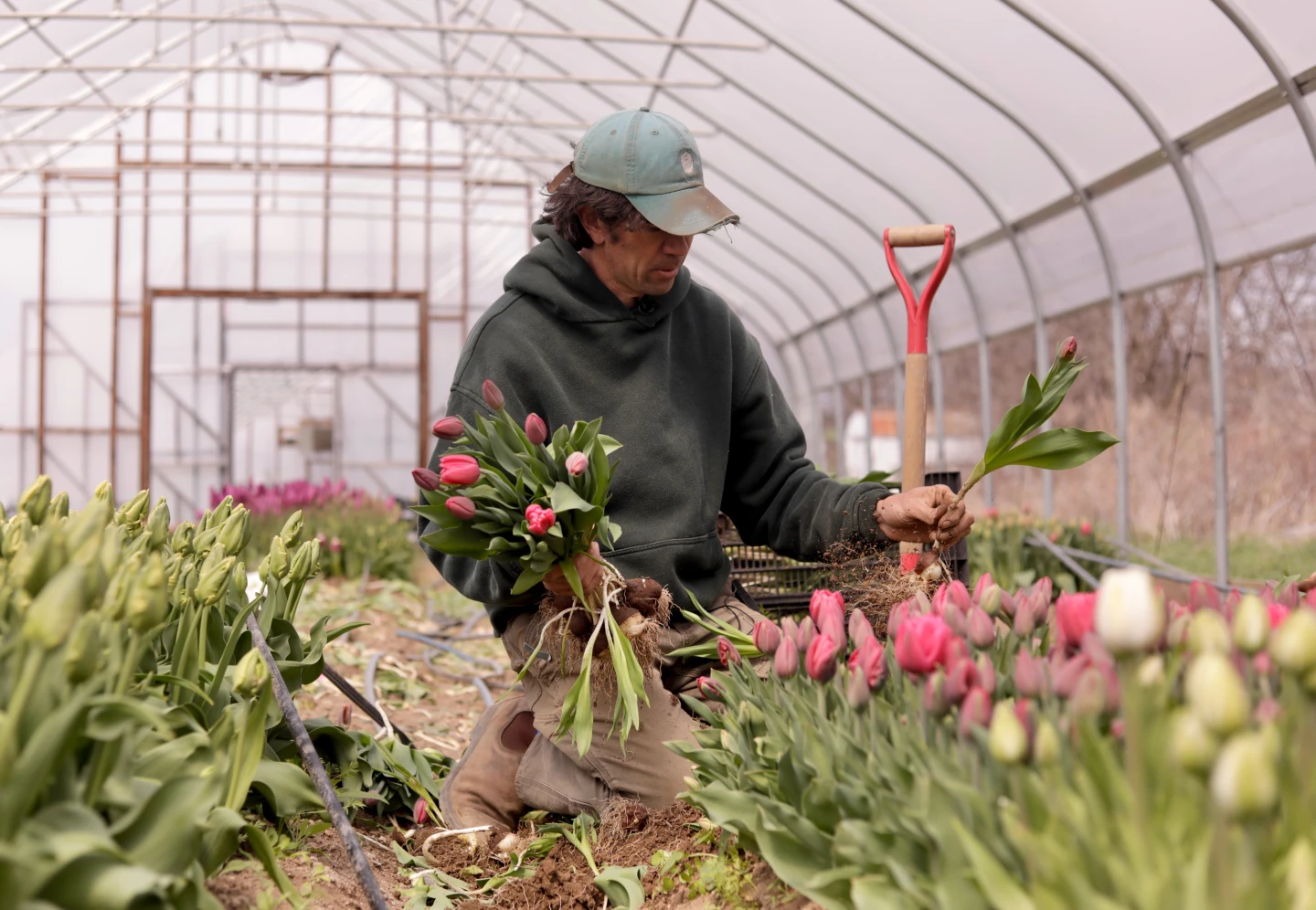
Further northeast in Vermont, the sudden temperature change impacted operations at Understory Farm in Bridport. Owner Gregory Witscher noted that tulips meant for Mother's Day had already bloomed in their greenhouses, forcing them to harvest early. Witscher explained, That means we have to harvest them all at once and store them in a walk-in cooler for longer.
Witscher emphasizes the need for flexibility in farming as unpredictable weather patterns increase. He grows approximately 50 varieties of flowers for wholesale markets and is investing in protective measures like row covers and heaters to safeguard against drastic climate shifts.
As pressure mounts on farmers due to fluctuating conditions, many are left hoping for stability in the weather to secure their harvests.