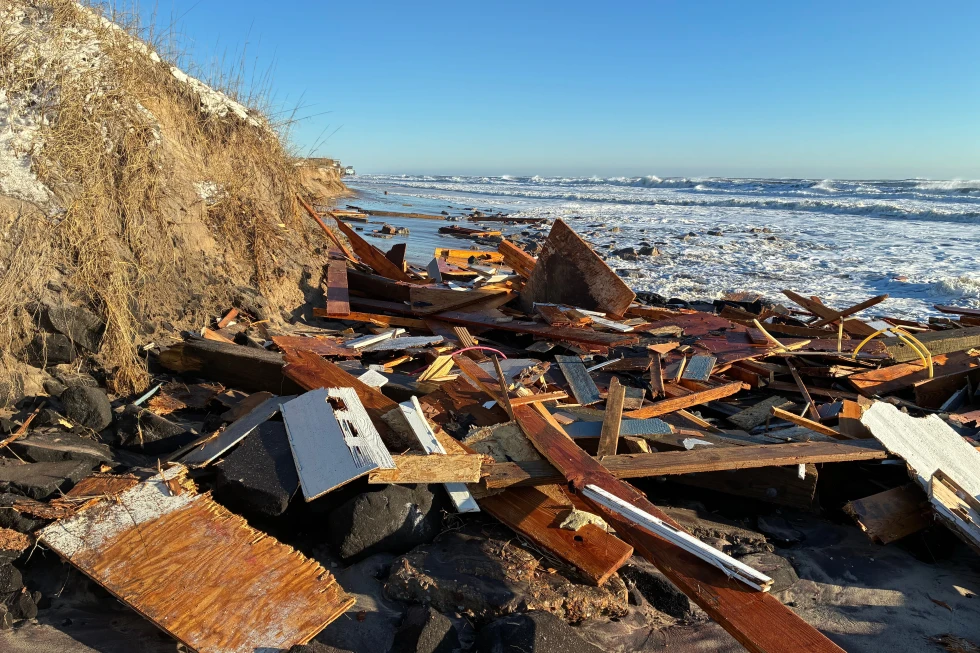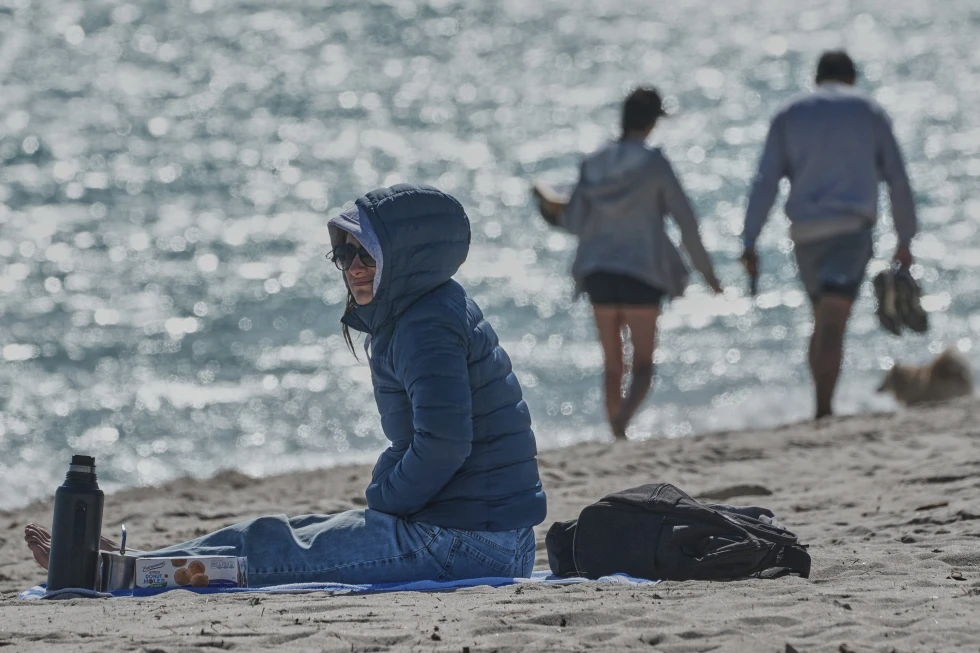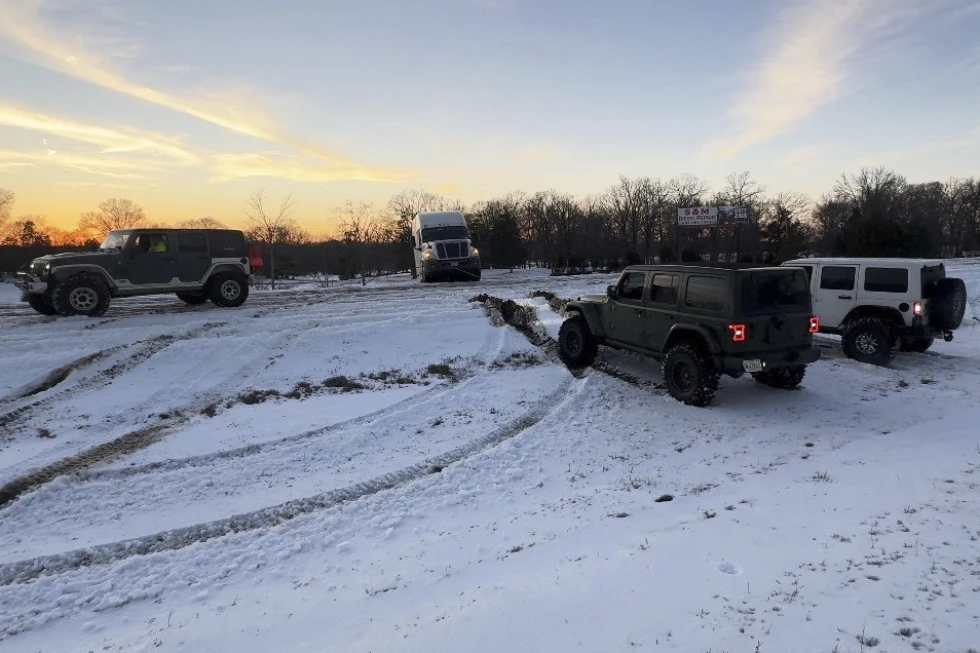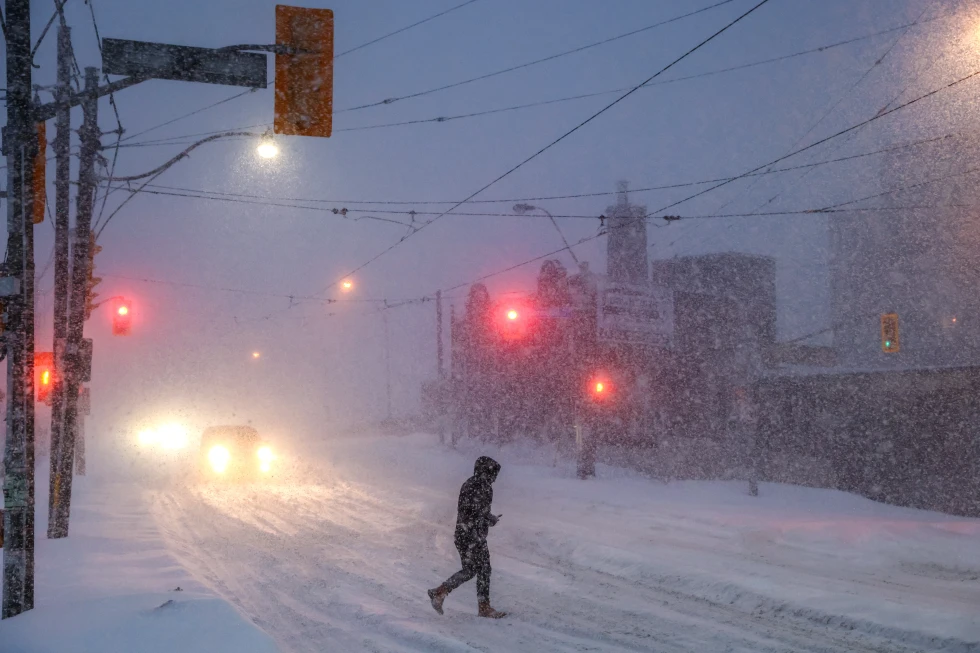
The U.S. work week opened with yet more snow dumping on the Northeast under the tail end of a colossal winter storm that brought ice and power outages, impassable roads, canceled flights and frigid cold to much of the southern and eastern United States.
Deep snow — over a foot (30 centimeters) extending in a 1,300-mile (2,100-kilometer) swath from Arkansas to New England — halted traffic, canceled flights and triggered wide school cancellations Monday.
Up to two feet (60 centimeters) were forecast in some of the harder-hit places. In Falmouth, Massachusetts, about an hour’s drive south of Boston, snow was coming down in sheets and closing down the town.
Local minister Nell Fields had to shovel out just to be able to let her dog outside. Seven inches (18 centimeters) had fallen, with additional snow still on the way.
“I feel that the universe just put a big, huge pause on us with all the snow,” Fields said.
On Manhattan’s Upper East Side, January Cotrel enjoyed the fresh snow on a block that always closes during snowstorms for residents to sled, throw snowballs, and make snowmen. “I pray for two feet every time we get a snowstorm. I want as much as we can get,” she said. “Let the city just shut down for a day and it’s beautiful, and then we can get back to life.”
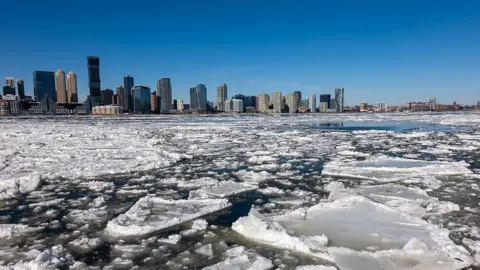
Meanwhile, bitter cold followed in the storm’s wake. Overnight Sunday, the entire Lower 48 states were forecast to have their coldest average low temperature — 9.8 degrees (minus 12.3 Celsius) — since January 2014.
From Montana to the Florida Panhandle, the weather service posted cold weather advisories and extreme cold warnings as temperatures in many places dipped to zero (minus-18 degrees Celsius) and even colder. Wind made conditions even chillier, and the overnight cold threatened to refreeze roads early Monday in a cruel reprise of the weekend’s poor travel weather.
Even with precipitation ending in Mississippi, “that doesn’t mean the danger is behind us,” Gov. Tate Reeves said in a news conference Sunday.
Freezing rain that slickened roads and caused damage was the main peril in the South over the weekend. In Corinth, Mississippi, heavy machinery manufacturer Caterpillar told employees to stay home Monday and Tuesday, and the state undertook its biggest-ever deployment of ice-melting chemicals — 200,000 gallons (750,000 liters) — to treat icy roads.
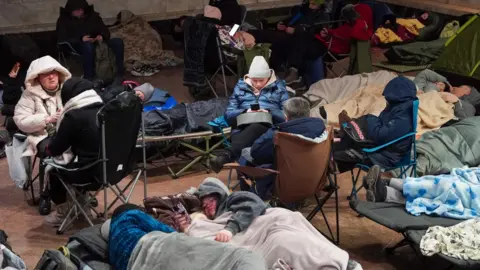
At one point Sunday morning, about 213 million people were under some sort of winter weather warning, authorities said. Hundreds of thousands of customers were without power across multiple states, with Tennessee and Mississippi hit especially hard.
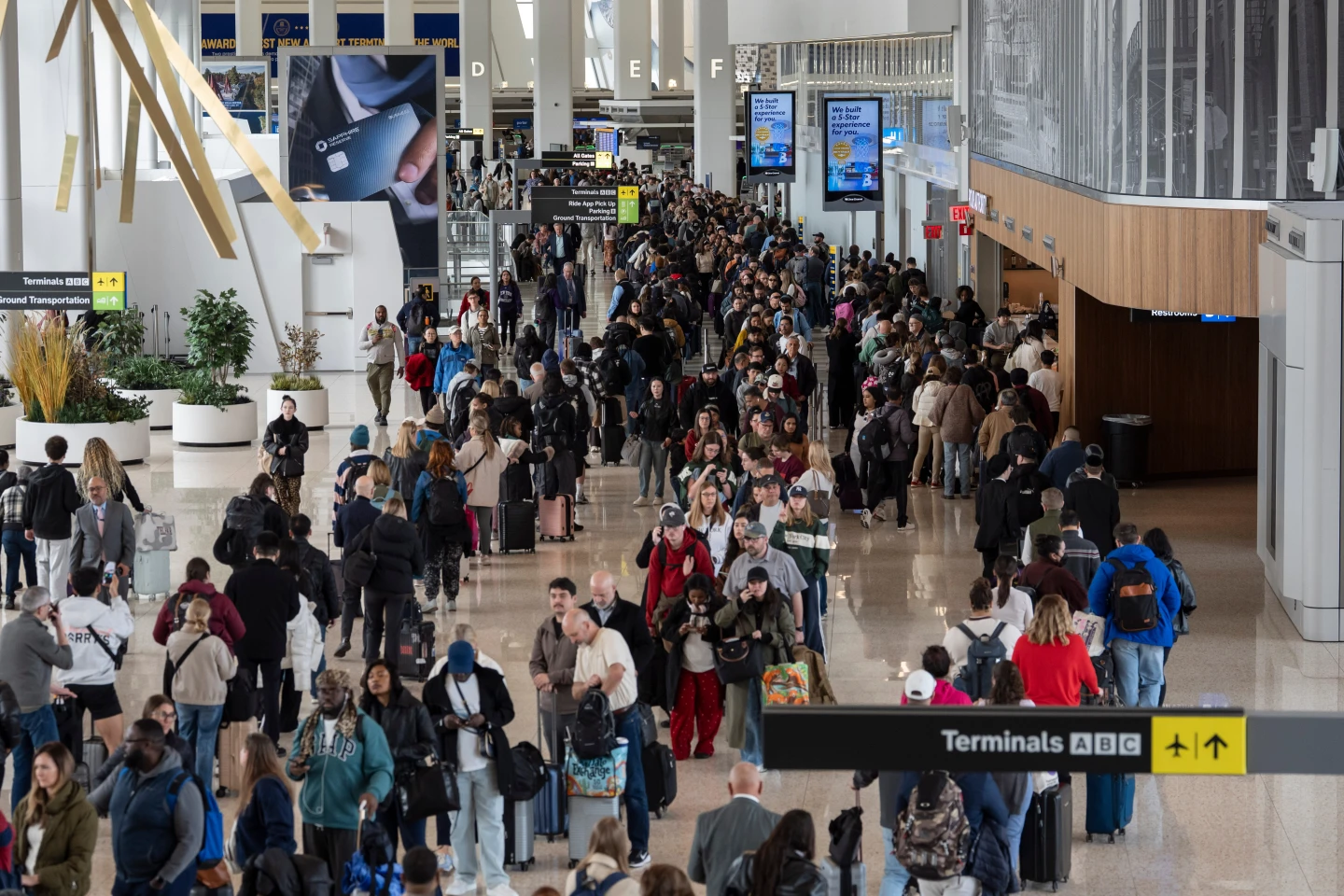
Some 12,000 flights were canceled Sunday and nearly 20,000 were delayed, according to flight trackers, with airports in Philadelphia, Washington, Baltimore, North Carolina, New York, and New Jersey among those most impacted. In New York City, Mayor Zohran Mamdani noted at least five deaths occurred as temperatures plunged, with the cause still under investigation.
In Massachusetts, Fields held church services despite the storm, recognizing the weather's disruption but acknowledging its role in fostering community connection. “I’m sorry it’s disrupted things, but it’s given us some silence, and maybe we’re using this time to think about what’s really important, and that’s community and taking care of each other,” Fields said.