Chilling forecasts and Ukrainian resilience
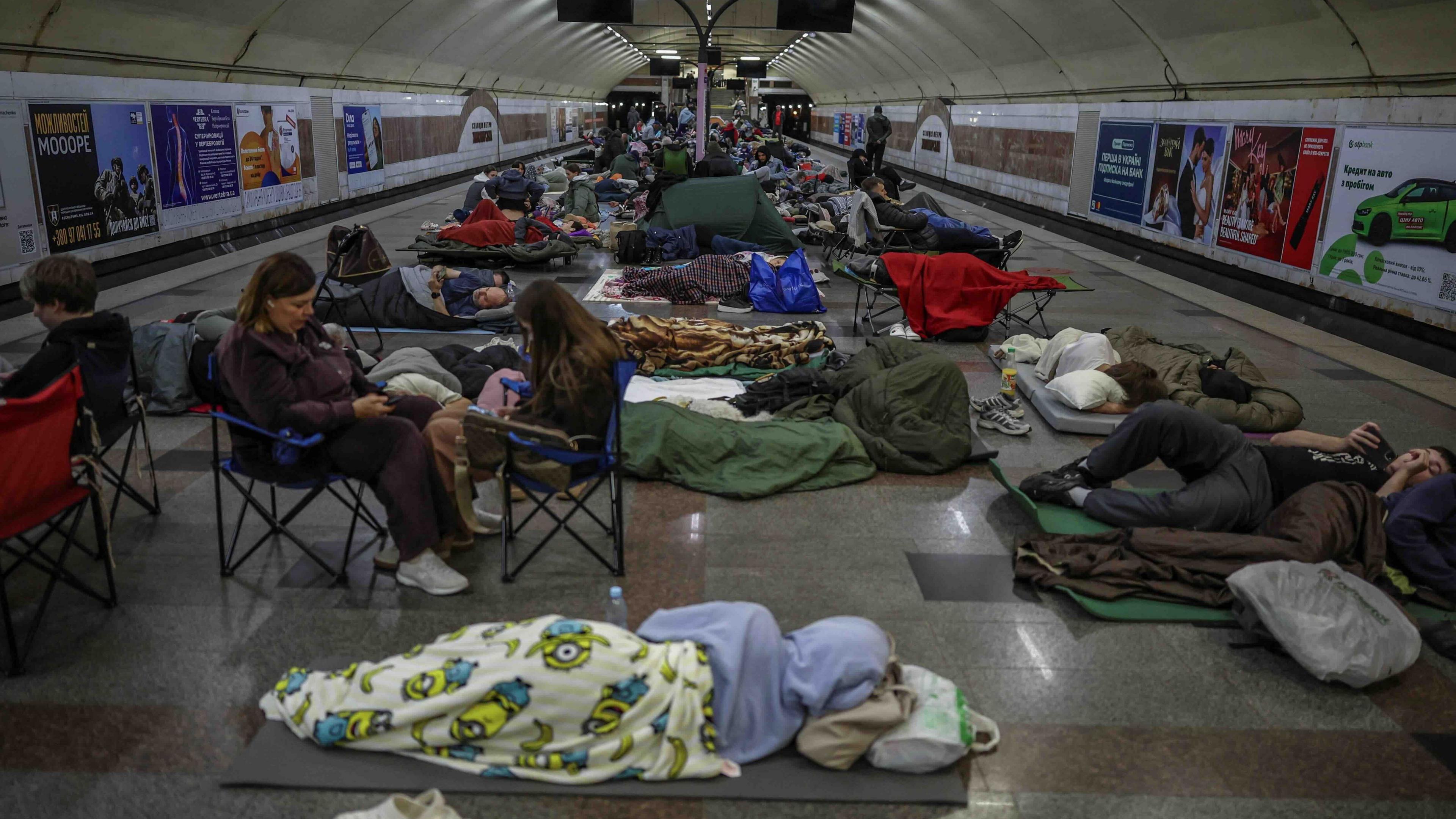
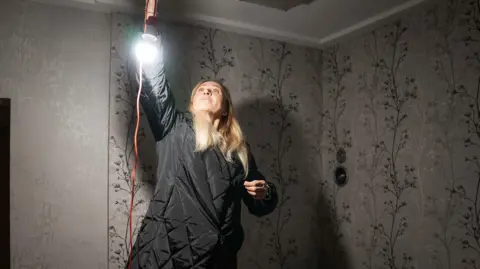
As Ukrainians gear up for an unforgiving winter with temperatures expected to plunge below -20C, many residents are grappling with the bleak realities of life without central heating following sustained Russian attacks on the nation's energy grid. One such individual, Yulia Hailunas, has concocted unique methods to keep warm, donning a quilted coat and using makeshift solutions like warming her feet over hot water.
Yulia, along with many, is concerned that the frigid conditions could cause further damage to heating infrastructure, fearing a catastrophic outcome should the cold persist without adequate heating.
Last week, former President Trump announced that Russian President Putin had agreed to halt attacks on Ukraine during this cold snap, alluding to an energy truce that would last a week. However, skepticism abounds regarding the sincerity of this commitment, especially as Kremlin officials clarified that this truce would end on the very day temperatures are forecast to be at their lowest. Residents are hesitant to trust this purported ceasefire, recalling past patterns of renewed violence despite temporary quiet.
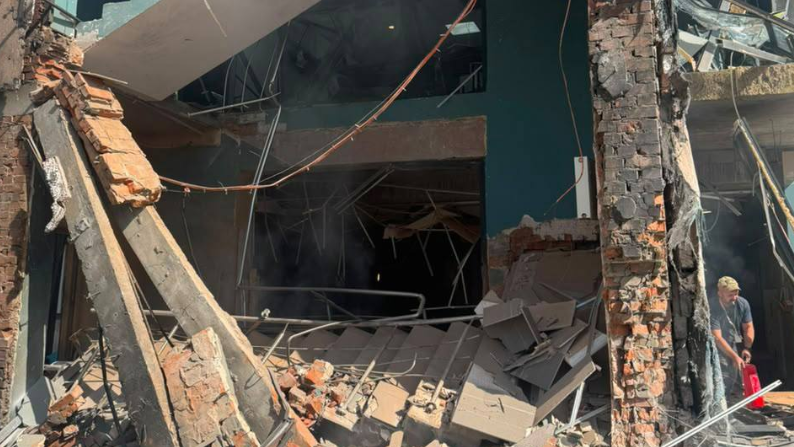
"Putin aims to sow discord among us, pushing us to concede to his demands," Yulia remarked. The backdrop of these concerns is a deteriorating energy infrastructure that has faced intentional bombardment for multiple winters, leaving it more fragile each year.
Engineers work tirelessly to restore power and heating, trying to stave off the crisis, but many remain doubtful of the reliability of Russian promises. As civilians continue to flee conflict zones, the dichotomy between hope for peace and fear of renewed attacks creates a complex emotional landscape for those affected.
With knocking knees and shivering bodies, Ukrainians remind themselves that even in the darkest days, their resilience shines through. The days and weeks ahead are uncertain, but one thing remains clear: the fight against the cold—and against adversity—continues.