The European Union's top court has ruled that Hungarian anti-LGBTQ laws violate EU rules and infringe its values of equality and minority rights. The controversial laws, enacted by Viktor Orbán's government in 2021, prohibited the so-called promotion of homosexuality or gender change to minors under the guise of protecting children. In an unprecedented decision, the European Court of Justice (ECJ) established that these reforms breached EU principles, most notably Article 2 of the EU Treaty, which emphasizes fundamental rights.
This judgment arrives just days after Hungarians voted against Orbán's long-standing leadership, setting the stage for potential changes under the new government. The ECJ ruling highlighted that Hungary's legislation impinged on rights including the prohibition of discrimination based on sexual orientation, respect for private family life, and freedom of expression. Additionally, the court condemned the law for stigmatizing transgender individuals and associating them with criminal behavior, stating it was contrary to the essence of the EU's legal foundation, which values pluralism.
John Morijn, an academic specializing in law and politics, termed the ruling as historic, emphasizing that it affirmed the inviolable nature of rights for all societal groups. He urged that tolerance and acceptance of diversity must be upheld over prejudicial narratives.
Orbán's ruling party, Fidesz, fortified its position with a supermajority that allowed the rapid enactment of these laws. Following the controversial amendments, even public events celebrating LGBTQ rights, such as the Budapest Pride march, faced bans, which were largely disregarded by activists, leading to legal consequences for participants.
The European Commission indicated that the anti-LGBTQ laws would be a focal point in discussions with the newly elected government. The expectation is for Hungarian authorities to comply with the ruling, thus addressing this contentious issue.
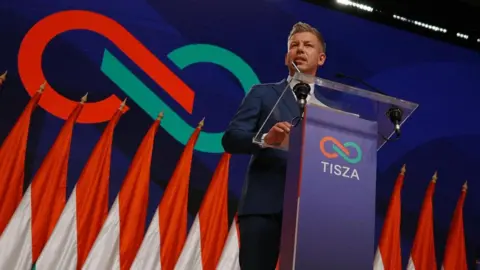
Péter Magyar, the newly elected leader who unseated Orbán, has expressed intentions to foster a more inclusive society and navigate Hungary's relationship with the EU toward a more positive trajectory. Activists and experts are urging him to prioritize the repeal of the anti-LGBTQ legislation within his early tenure while the European Commission is expected to insist on adherence to the court's ruling.
This judgment arrives just days after Hungarians voted against Orbán's long-standing leadership, setting the stage for potential changes under the new government. The ECJ ruling highlighted that Hungary's legislation impinged on rights including the prohibition of discrimination based on sexual orientation, respect for private family life, and freedom of expression. Additionally, the court condemned the law for stigmatizing transgender individuals and associating them with criminal behavior, stating it was contrary to the essence of the EU's legal foundation, which values pluralism.
John Morijn, an academic specializing in law and politics, termed the ruling as historic, emphasizing that it affirmed the inviolable nature of rights for all societal groups. He urged that tolerance and acceptance of diversity must be upheld over prejudicial narratives.
Orbán's ruling party, Fidesz, fortified its position with a supermajority that allowed the rapid enactment of these laws. Following the controversial amendments, even public events celebrating LGBTQ rights, such as the Budapest Pride march, faced bans, which were largely disregarded by activists, leading to legal consequences for participants.
The European Commission indicated that the anti-LGBTQ laws would be a focal point in discussions with the newly elected government. The expectation is for Hungarian authorities to comply with the ruling, thus addressing this contentious issue.
Péter Magyar, the newly elected leader who unseated Orbán, has expressed intentions to foster a more inclusive society and navigate Hungary's relationship with the EU toward a more positive trajectory. Activists and experts are urging him to prioritize the repeal of the anti-LGBTQ legislation within his early tenure while the European Commission is expected to insist on adherence to the court's ruling.