On election night in Budapest, the iconic Chain Bridge was illuminated in red, white, and green, echoing the colors of the Hungarian flag. Following a historic election result that unceremoniously ousted Prime Minister Viktor Orbán after 16 years in power, the bridge was a backdrop for celebrations of the victorious opposition led by Péter Magyar and his Tisza party.
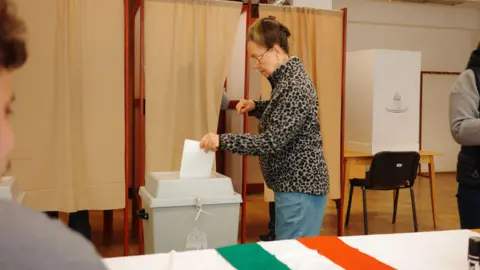
“We did it,” Magyar exclaimed during his victory speech, expressing gratitude to supporters who felt as though they were reclaiming Hungary. Record-breaking voter turnout reflected widespread desire for change, despite Orbán's longtime control over media and electoral processes that traditionally favored his party.
Despite being embraced by the jubilant crowds, Orbán's departure signals a broader geopolitical shift. Russia, having relied on Orbán as an ally within the EU, faces a challenge as Magyar indicates intentions to weaken ties with Moscow and strengthen relations with the EU and Ukraine.
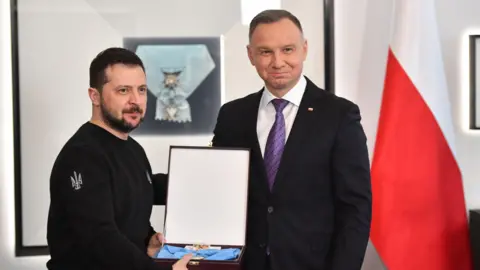
In response to Magyar's election, Ukrainian President Volodymyr Zelensky congratulated him, hinting at a constructive future ahead. Meanwhile, Orbán's past ally, U.S. President Donald Trump, is likely to find the results disappointing as he loses a key supporter in Europe.
Magyar, a former member of Orbán's Fidesz party, represents continuity in some conservative policies but has promised sweeping reforms to dismantle the Orbán regime, signaling a potential turning point for Hungary's internal and external relations.