Iran War Triggers Energy Crisis Across Asia
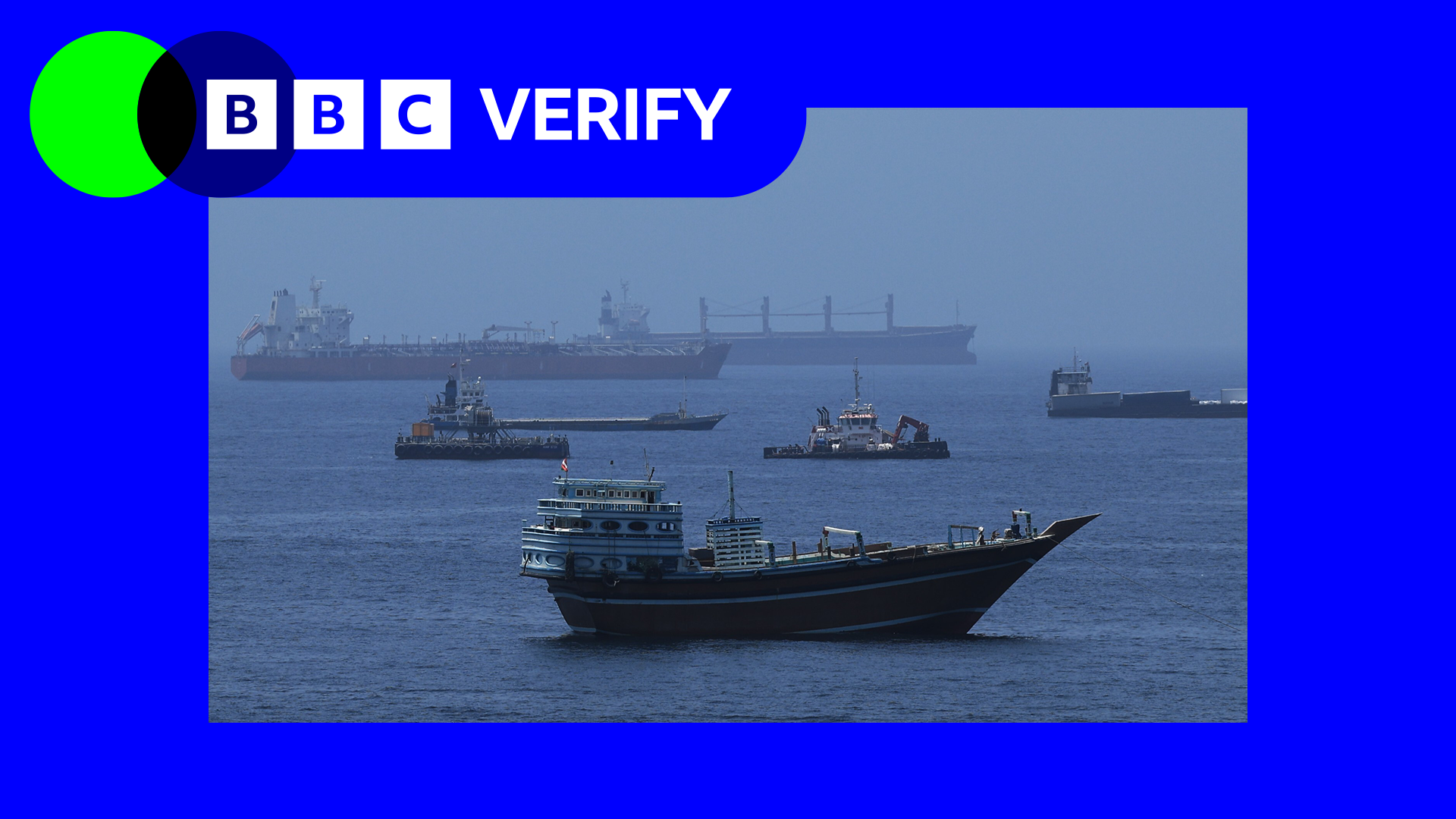
The effective closure of the Strait of Hormuz after the US and Israel began their war with Iran in late February has sent shockwaves across the globe.
Oil prices have soared and stock markets have wobbled as the world waits to see when Iran will allow the key waterway - through which about 20% of all oil passes - to reopen. Currently, only a handful of ships make it through the strait each day as attacks on energy infrastructure in the region continue to push prices higher.
Asia feels the impact more acutely, with nearly 90% of the oil and gas passing through the strait heading to its countries. As a result, governments are ordering employees to work from home, cutting the working week, declaring national holidays and closing universities early to conserve supplies. Even China, which has reserves equivalent to three months of imports, is limiting fuel price hikes as citizens face a 20% surge in costs.
The war's far-reaching consequences are manifesting in various Asian nations.
Philippines
On Tuesday, the Philippines declared a national emergency due to the conflict and the imminent danger to the country's energy supply. Toyota jeepney drivers are particularly struggling, with daily wages plummeting from 1,000-1,200 pesos ($16.60-$19.92) to just 200-500 pesos.
Drivers face mounting pressures, with the ongoing fuel price hike making it difficult to sustain their families. If this continues, it will definitely kill us and our family, stated driver Carlos Bragal Jr.

Thailand
In Thailand, news anchors at public broadcaster Thai PBS have removed their blazers on air to promote energy conservation, symbolizing the crisis. People have been advised to work from home, and to keep air conditioning at higher temperatures.
Sri Lanka
Sri Lanka's crisis is highlighted by Dimuthu, a resident of Colombo, noting the contradiction of having money to purchase fuel but no fuel to buy. The country has enacted measures like fuel rationing and designated public holidays to manage its energy crisis.
India
With one of the world’s largest populations, India is grappling with oil and gas shortages, heavily influenced by developments in the Middle East since the end of February. Various sectors are facing severe challenges, including a shutdown in the ceramics industry due to a gas shortage.
Myanmar
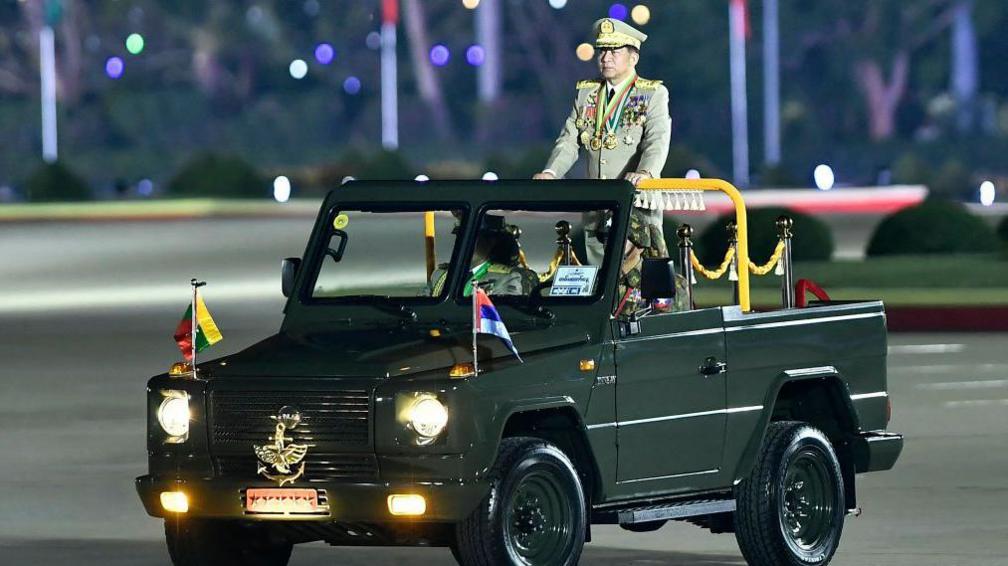
In Myanmar, amidst ongoing civil conflict, authorities have imposed alternate day policies on fuel availability for private vehicles. Citizens are facing challenges in social interactions due to these restrictions as they try to coordinate meet-ups based on odd and even days.
The Iran conflict has unveiled significant vulnerabilities in energy supply chains, causing widespread concern and hardship across Asia. The implications of rising oil prices and fuels scarcity are being felt in very real terms, reshaping day-to-day lives and economic stability.