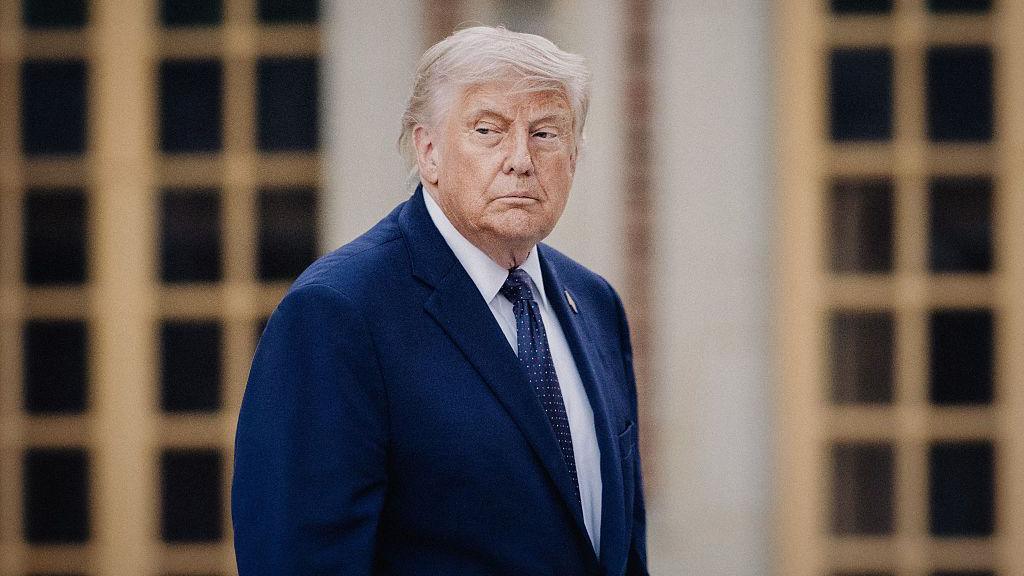
In a bold move, President Trump has declared intentions to target Iranian infrastructure unless an acceptable settlement is reached with the country by his stated deadline.
Trump's threats include airstrikes on critical structures such as bridges and power plants, heightening fears of a devastating backlash. His comments, including a chilling warning that a whole civilization will die tonight, signal an escalated military strategy targeting both civilian and military sites.
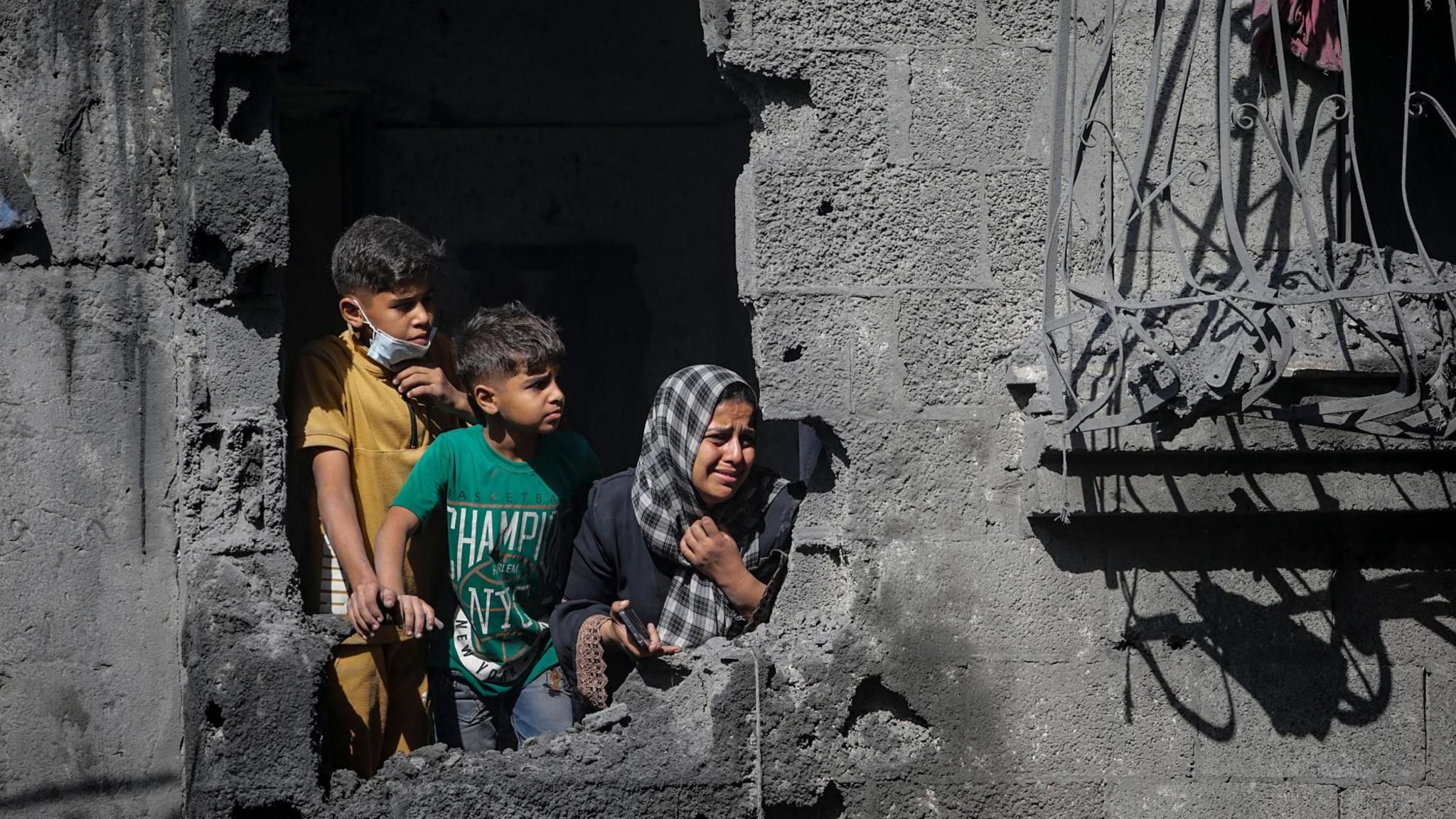
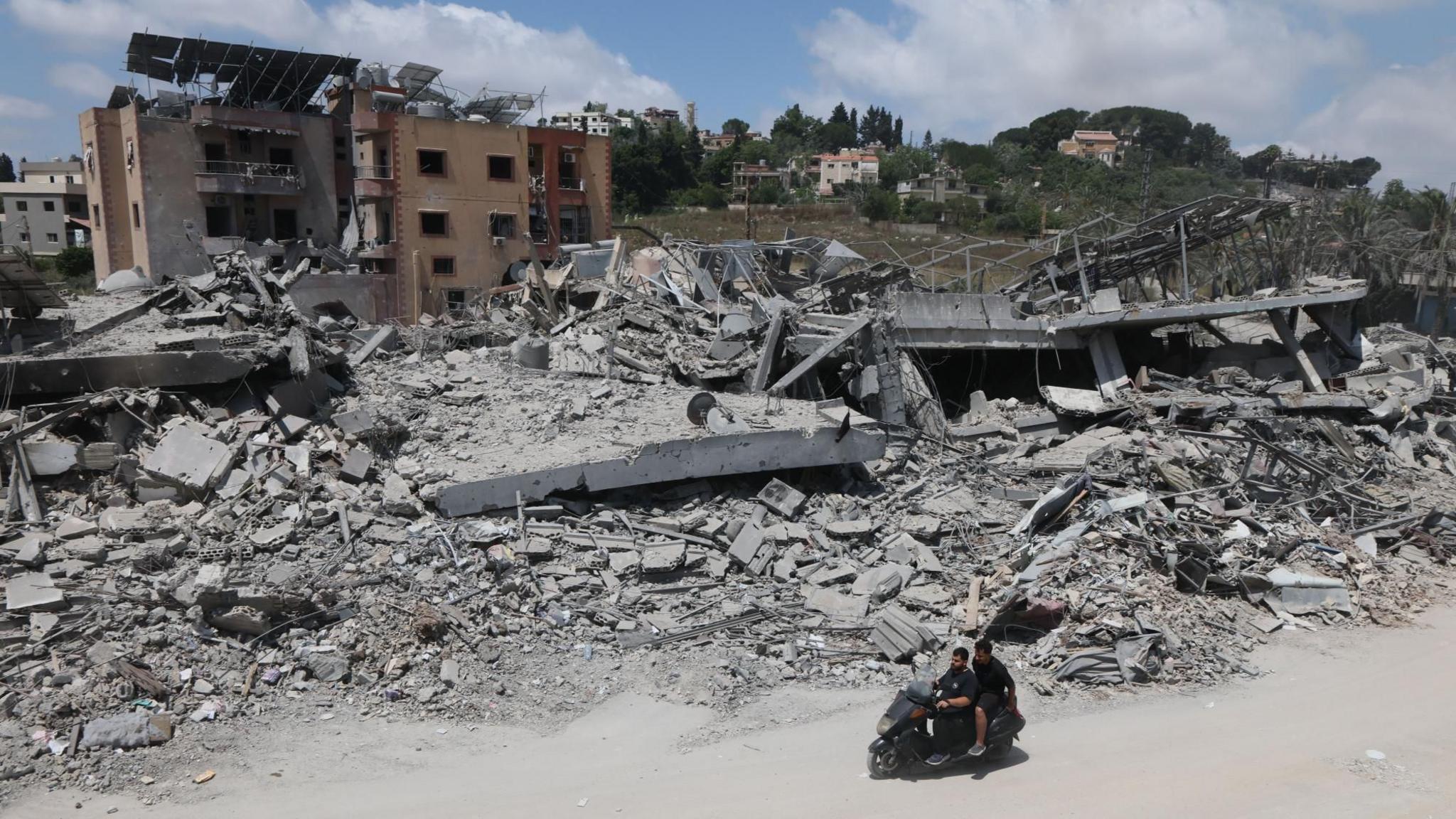
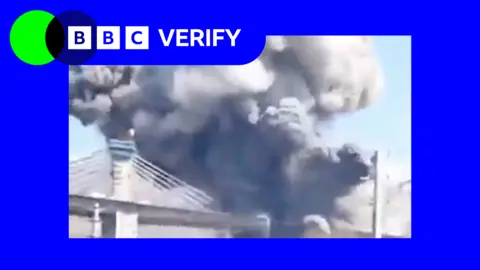
Over the past two weeks, reports have confirmed that strikes on Iranian soil have devastated essential facilities, including steel plants and bridges, with tragic consequences for ordinary Iranians. According to BBC Verify, the strikes destroyed several bridges and a pharmaceutical plant, raising alarms about the humanitarian fallout of such military actions.
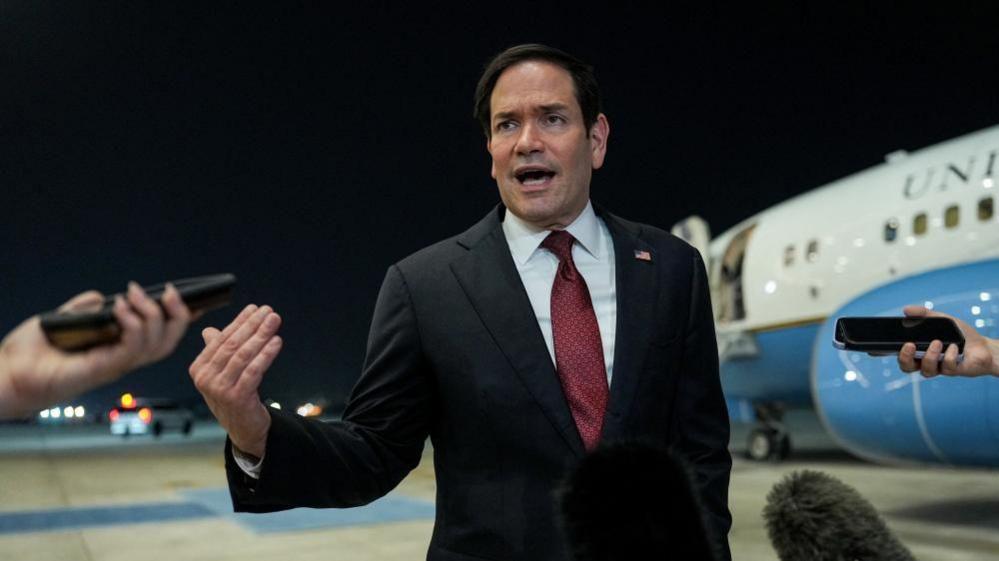
Critics, including some lawmakers and UN officials, have warned that these strikes may constitute war crimes, as they have severely affected civilian infrastructure. Trump dismissed these allegations during a recent press conference, emphasizing his administration's focus on deterring Iranian nuclear capabilities.
The strikes have not been without their severe repercussions. On March 27, US aircraft bombed a bridge under construction in Karaj, killing at least 13 people. Verified footage depicted severe damage to the site.
Further, extensive damage has been reported at the Isfahan Mobarakeh Steel Company, Iran's largest steel manufacturer, among other facilities.Israeli Prime Minister Netanyahu has stated that recent strikes could have diminished Iran's steel production capability by nearly 70%, potentially jeopardizing up to 20 million tons of output and impacting the nation’s GDP significantly.
Healthcare in Iran could also suffer from this military campaign, with attacks reported on a major pharmaceutical firm. This could impede access to vital medical supplies amid necessary times, further aggravating the humanitarian crisis.
As the US-Israeli actions persist, discussions surrounding international law emerge, with legal experts questioning the legitimacy of targeting civilian objects and whether such acts could be classified as war crimes. Despite growing international concern, the administration remains steadfast in what has become an increasingly complex and perilous conflict.
As reports of destruction spread across Iran, public sentiment grows, with many civilians expressing frustration over the ongoing conflict and calls for humanitarian considerations growing louder.