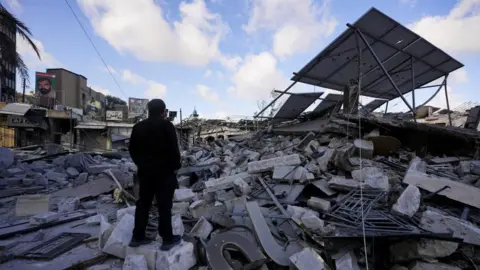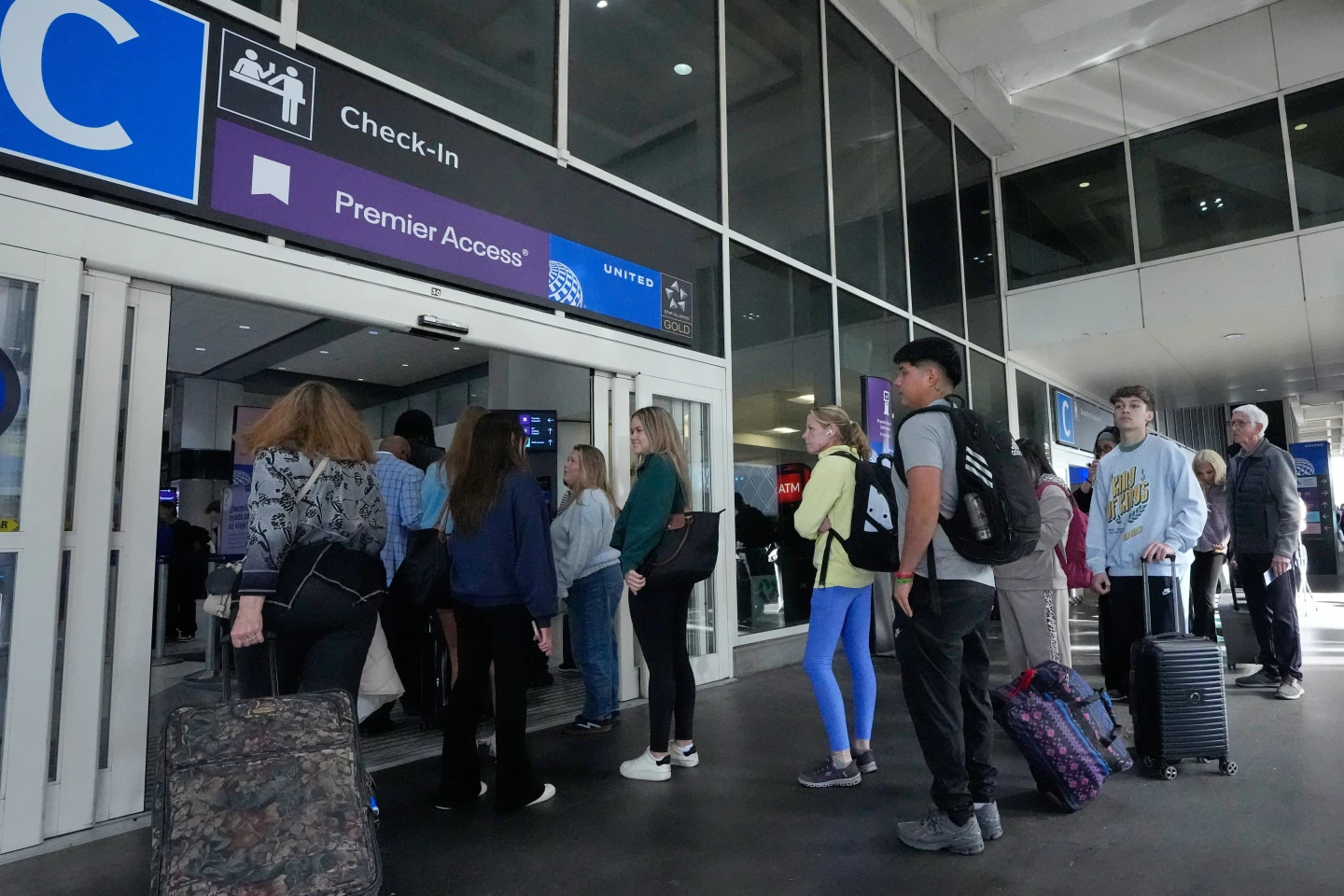
In light of ongoing geopolitical tensions, particularly in the Middle East, airlines are starting to cancel flights due to increased jet fuel prices and supply shortages. This wave of cancellations is not only disruptive for travelers but is also expected to intensify as the summer travel season approaches.
Officials from major airlines, such as the Lufthansa Group, have announced significant flight reductions, including cutting 20,000 flights through October. Such measures give passengers more time to adjust their plans compared to last-minute cancellations typically caused by weather issues.
For those affected, the first step is to check the airline's app or website for rebooking options. U.S. carriers often provide quicker solutions through digital platforms, while international airlines may require more traditional methods, such as contacting customer service or visiting airport desks.
Travelers should be aware of their rights: in many cases, airlines are obligated to issue refunds or rebook affected passengers on the next available flight. The exact rules differ by country, with U.S. airlines mandated to provide cash refunds when flights are canceled, but other regions, like the EU, may offer additional protections.
Experts recommend travelers familiarize themselves with local consumer protection laws and stay informed about their options. Recording all communication with the airline and seeking alternatives if initial rebooking options aren't satisfactory is crucial to managing travel disruptions.
As the airline industry faces these challenges, experts suggest that patience and respectful communication with airline representatives can help navigate the upcoming travel landscape. Monitoring flight alerts and considering alternative airports may also enhance the travel experience during this turbulent time.