The venue is ready, the guards are in place and the curb along the approach road has received a fresh coat of yellow and black paint.
Islamabad awaits.
As hosts of vital US-Iranian talks, the Pakistani government officials are making optimistic noises, emphasising that unlike many others, they enjoy the trust of both sides.
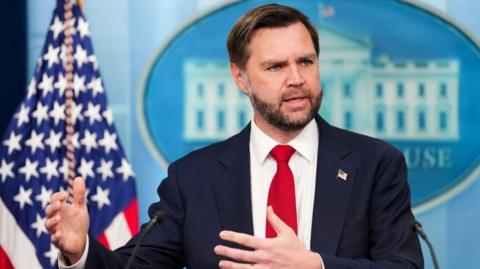
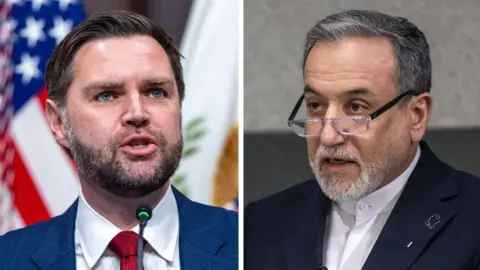
The man heading the US delegation, Vice President JD Vance, is also sounding upbeat. If the Iranians are willing to negotiate in good faith, he said before leaving the US, we're certainly willing to extend the open hand. But there was a warning too. If they're going to try to play us, then they're going to find the negotiating team is not that receptive. It's fair to say that a whole mountain of obstacles lies ahead.
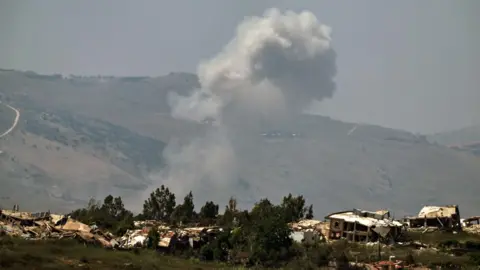
One major issue is Israel’s ongoing campaign against Iran’s ally Hezbollah, which threatens to derail the talks before they’ve even started. Iran's President Masoud Pezeshkian has warned, The continuation of these actions will render negotiations meaningless, stating that Iran will never abandon its Lebanese allies.
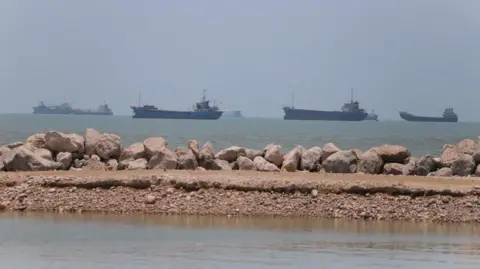
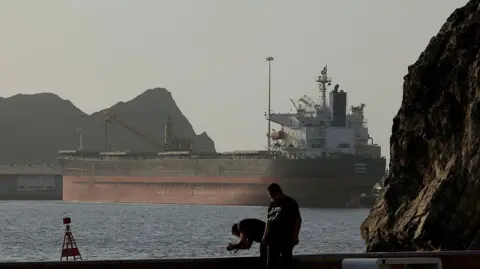
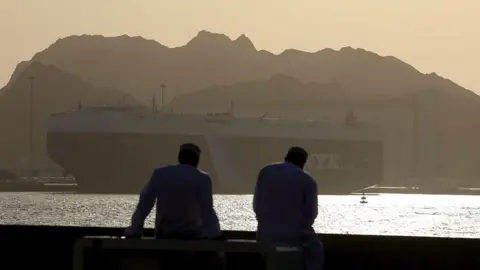
With tensions heightened, another point of contention is the Strait of Hormuz, a crucial oil shipping passage. Trump's statement that Iran is doing a very poor job of allowing ships to pass through complicates matters, as Iran seeks to formalise control over this vital waterway.
Perhaps the most significant challenge lies in nuclear negotiations. The historical context surrounding Iran's nuclear ambitions will set the stage for these discussions, which include Iran's demands for the right to enrich uranium and the US's insistence on halting such activities.
Additionally, Iran seeks lifting crippling international sanctions, with estimates suggesting it wants to regain access to $120bn of frozen assets. However, the feasibility of such concessions from the Trump administration remains unclear.