Middle East Conflict: Ceasefire Talks Amid Strategic Turmoil
The situation in the Middle East is on razor's edge as ceasefire negotiations unfold amid intense military actions and longstanding geopolitical rivalries. Recent escalations, particularly from Israel's intensified strikes against Lebanon, have led to acute tensions between the key players: the United States, Iran, and Israel.
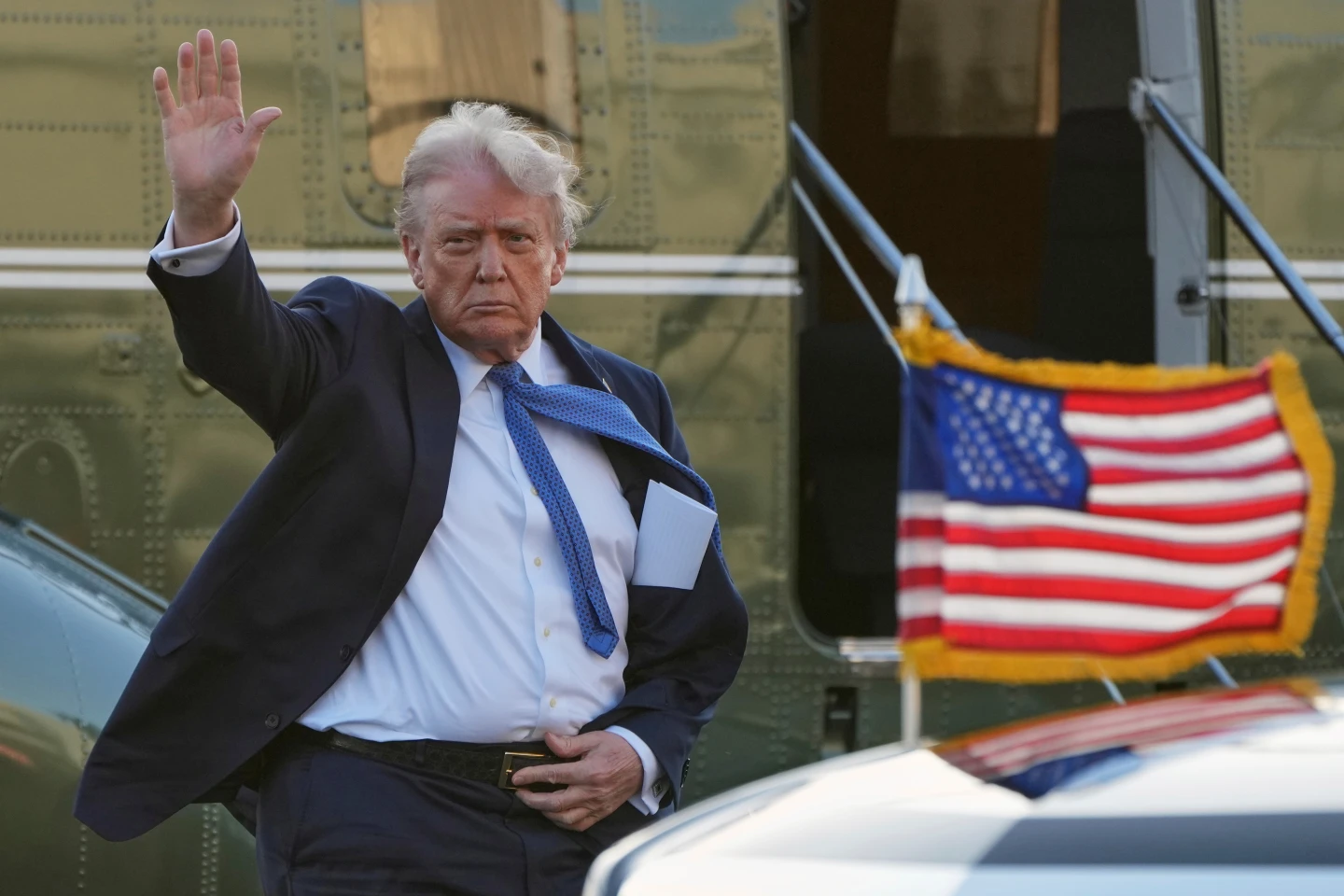
The desire for a ceasefire from both the U.S. and Iran stems from mounting pressures; however, a pervasive lack of trust complicates any peaceful resolution. U.S. President Donald Trump appears eager to wrap up military engagements, as his political agenda includes imminent state visits and the upcoming midterm elections. Meanwhile, Iran, suffering from damaged infrastructure and economic stagnation due to ongoing conflicts, sees talks as an opportunity to strengthen its position.
The Pakistani intermediaries facilitating these discussions are faced with substantial challenges, as the two sides present fundamentally opposing positions: Trump’s unconfirmed 15-point plan is perceived by Iran as a fulfillment of America’s unconditional demands, while Iran’s 10-point strategy outlines objectives that the U.S. has historically dismissed.
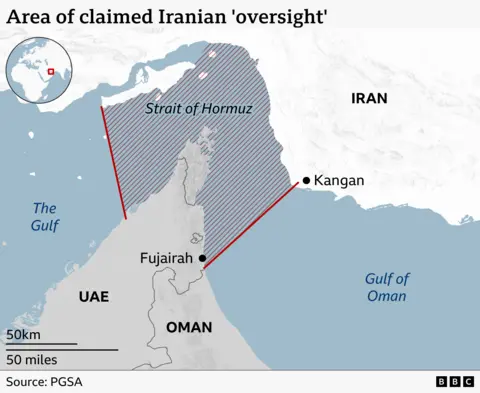
While the negotiations are aimed at establishing a more durable ceasefire, difficulties arise from mutual disdain and an absence of agreed-upon terms. Without a foundation of trust, even a symbolic agreement could lead to further discord. The ceasefire must extend to the critical Strait of Hormuz, where Iran’s control threatens global oil supplies, complicating efforts for both negotiation and military maneuvering.
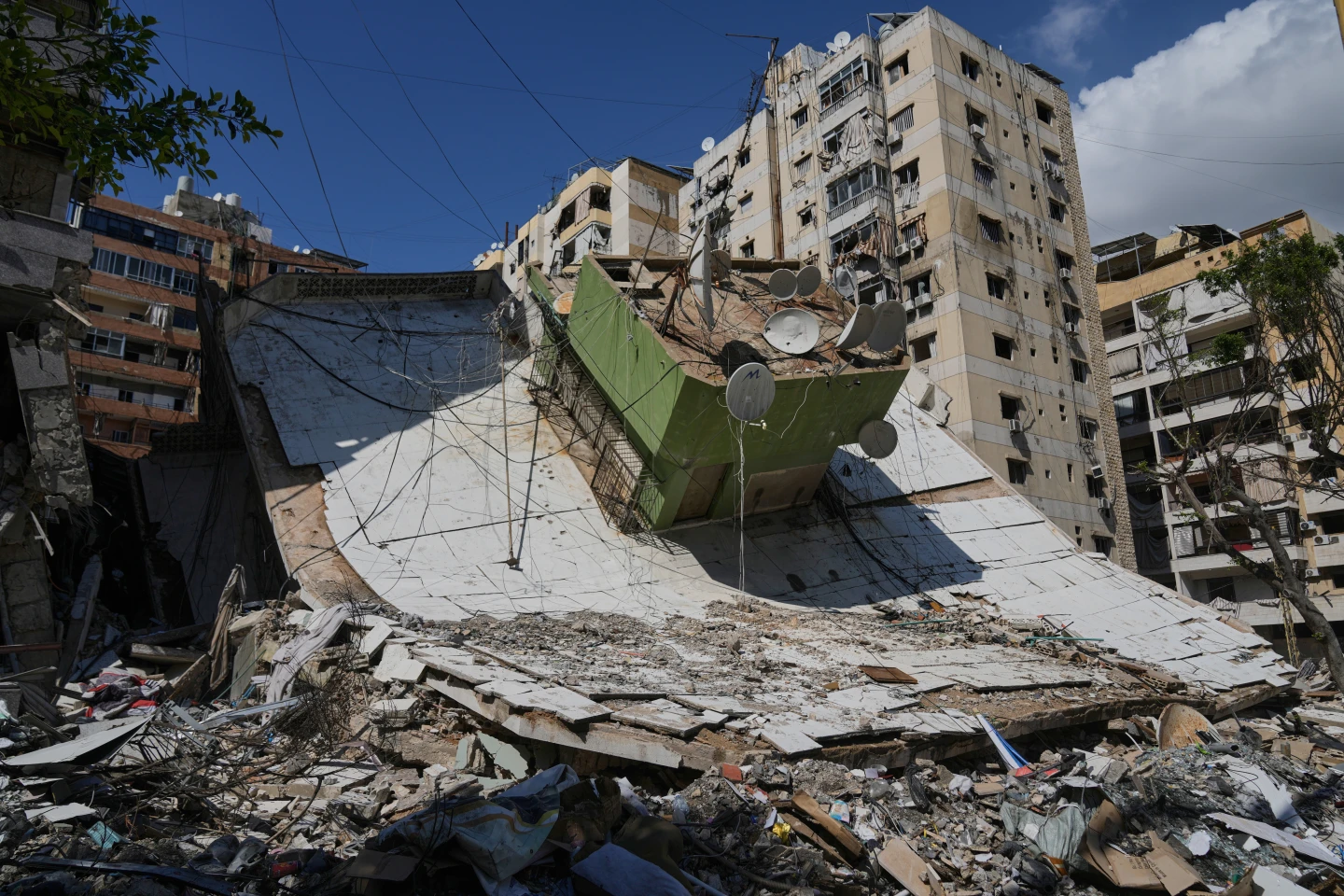
In the wake of massive airstrikes by Israel that devastated parts of Lebanon, opportunities for dialogue hang in balance. The aggression from Israel, symbolizing its longstanding fears of Iranian influence, could halt progress even if the U.S. calls for restraint. As ceasefire talks proceed, the pressing need to open maritime routes and address territorial disputes continues to challenge any diplomatic gains.
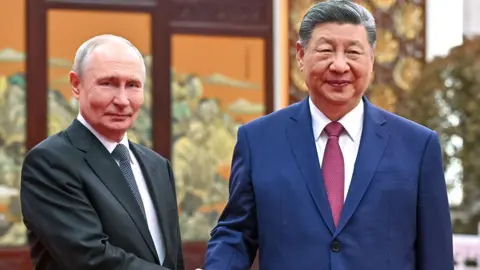
Looking forward, the Gulf monarchies and their relationships with the U.S. are being re-evaluated in light of these conflicts. As external powers like China enhance their influence, the nations involved must reassess traditional alliances that no longer yield expected security. The complexity of the current situation portrays a theater where military actions, political posturing, and economic ramifications converge, indicating that the reshuffle in Middle Eastern affairs is far from over.