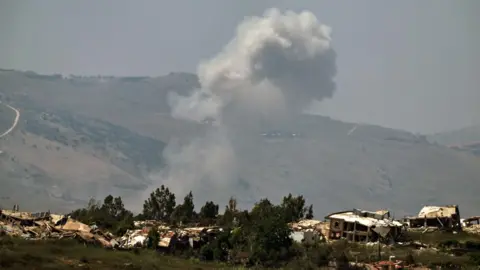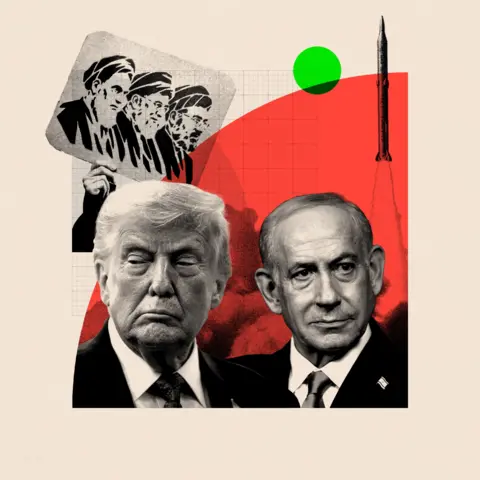
Some old truths about warfare have been knocking on the door of the Oval Office in the month since US President Donald Trump and Israel's Prime Minister Benjamin Netanyahu sent US and Israeli warplanes to bomb Iran.
The failure to learn from the past means that Donald Trump now faces a stark choice. If he cannot get a deal with Iran, he can either try to declare a victory that will fool no one, or escalate the war.
The oldest of the old truths comes from the Prussian military strategist Helmuth von Moltke the Elder: No plan survives first contact with the enemy. He was writing in 1871, a consequential moment that resonates with today’s conflict.
Contrary to Trump’s hope for a quick victory akin to the failure of the Venezuelan regime, Iran has shown remarkable resilience. The article discusses how historical military wisdom applies to current warfare, and emphasizes that Trump's gut-driven decisions may hinder the US's capability to manage the war effectively.
Thirteen days into the conflict, Trump expressed confidence that the war would not last long, relying heavily on an inner circle of advisers to back his decisions. The US's strategy in fundamentally understanding Iran and its regional implications remains unclear, as does the path for ending the conflict.
Bowen notes that the Iranian regime is deeply rooted and not easily toppled, emphasizing the need for strategic planning in warfare—a concept that appears to be lacking in Trump's approach. He advocates for a deeper understanding of the complexity involved in such military engagements.
Ultimately, the article raises the alarm on the potential consequences of the war for regional and global stability, warning that the outcomes may reflect the historical missteps by global powers. The analysis calls for reflection on the lessons of history to better navigate the current geopolitical landscape.