WASHINGTON — For several hours last Friday before dawn, the Senate seemed to have reached a compromise to fund most of the Department of Homeland Security, aiming to prevent the longest partial government shutdown in U.S. history. Senators handed their proposal to House Speaker Mike Johnson, R-La., and left for airports, seemingly confident in its success.
Then, the deal collapsed spectacularly.
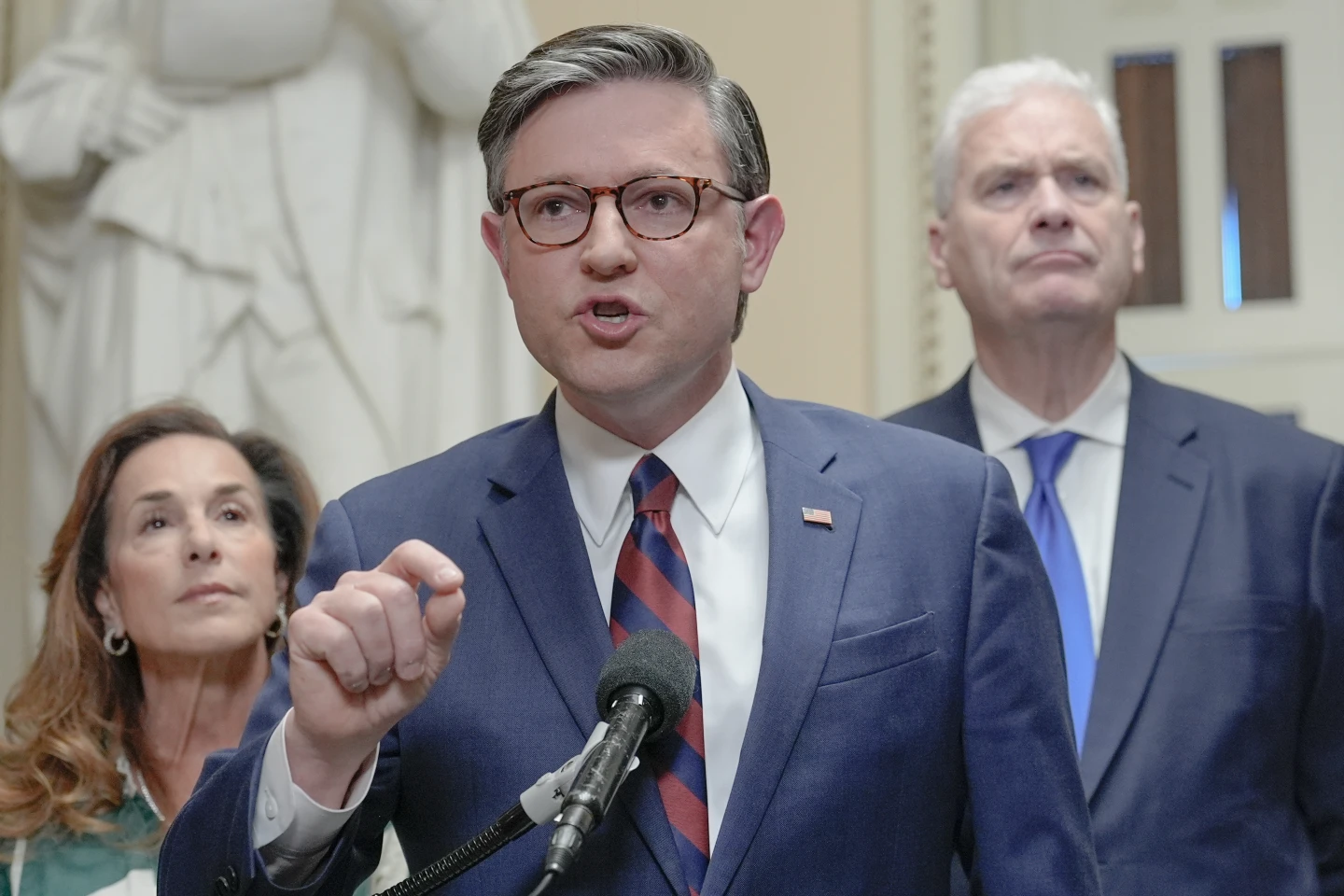
House Speaker Johnson emerged from his office to label the Senate’s unanimously agreed plan as a ‘joke’. He insisted, ‘I have to protect the House, and I have to protect the American people,’ voicing his discontent with a deal crafted by Senate Majority Leader John Thune after weeks of negotiations.
This unexpected fallout left Congress without a viable solution for the stalemate that has rendered the Department of Homeland Security inoperable since mid-February. Moreover, it has showcased a growing rift between leadership in both chambers of Congress, testing alliances as they scramble to advance President Donald Trump’s legislative priorities ahead of the upcoming elections.
Thune, who had brokered a deal involving moderate Democratic senators, had hoped to find common ground—offering no funding for U.S. Immigration and Customs Enforcement and U.S. Border Patrol in response to Democratic concerns. However, discontent among House Republicans surfaced quickly, thrusting Congress back into uncertainty while they head into a two-week recess.
Rep. Nick LaLota, R-N.Y., vehemently opposed the Senate's approach, asserting that the ‘Senate chickened out’ and criticizing the majority's strategy as cowardly.
As Republican leaders confront the challenges of uniting their party and moving their agenda forward, Trump’s demand for stricter citizenship proof laws faces barriers in the Senate due to the high threshold for passing legislation.
With the collapse of the funding deal, Democrats are quick to blame House Republicans for the ongoing shutdown, insisting that the stalemate is a direct result of the House's inability to cooperate and find a consensus.
Although Thune expressed belief that Democrats were not committed to making a deal, the dynamic between the two parties continues to impede progress on resolving the shutdown and moving forward with essential government operations.