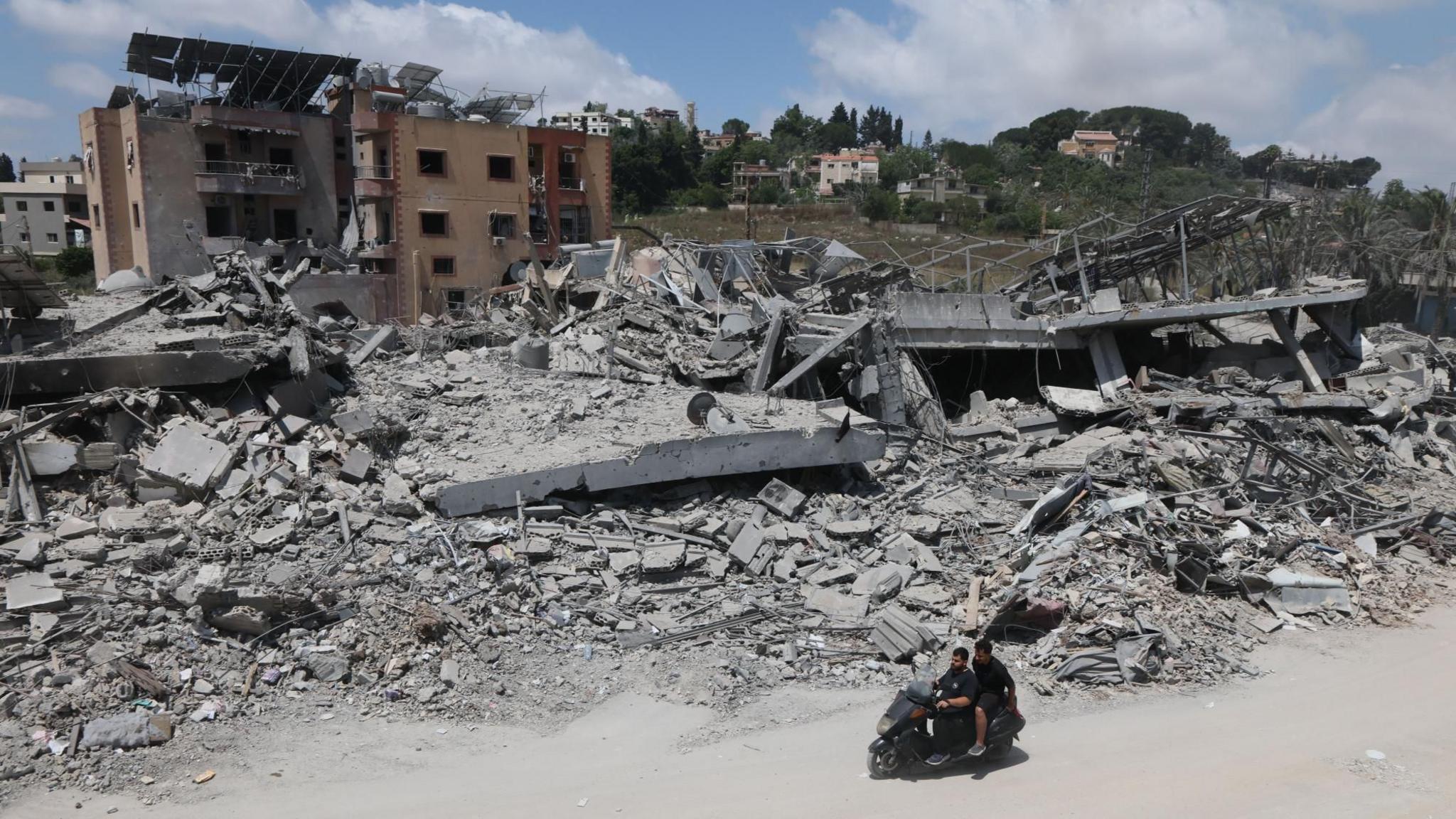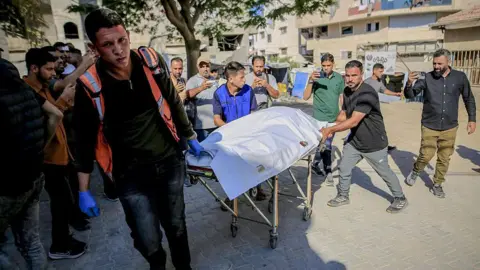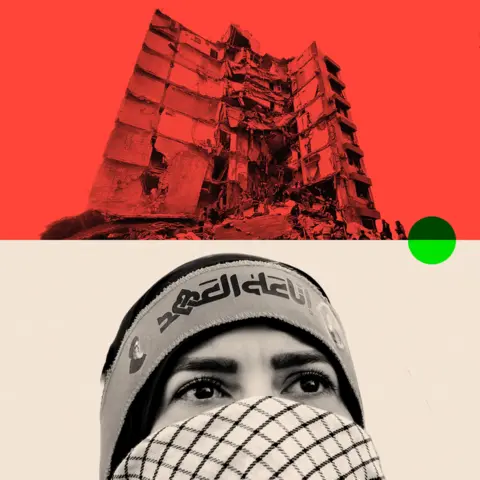
With Lebanon again engulfed in conflict, President Joseph Aoun has called for negotiations with Israel in a significant yet challenging step for the countries that do not officially recognize one another. Aoun's proposed discussions come on the heels of devastating air strikes and escalating hostilities that have fanned the flames of an already fragmented country.
Previously unrecognized for direct dialogue, this engagement becomes crucial as Aoun navigates a fraught political landscape overshadowed by Hezbollah's military ambitions and Israel’s security concerns. The Lebanese government faces mounting pressure as public sentiment largely favors a single army controlling arms, yet Hezbollah remains steadfast in its resolve, claiming a vital role in defending Lebanese territory against perceived Israeli aggression.
The recent wave of violence, attributed to retaliatory attacks following the death of Iran’s Ayatollah Ali Khamenei, has further complicated Lebanon's position. As President Aoun seeks to mitigate the impact of the ongoing conflict, he finds himself with few options to disarm Hezbollah without risking another civil conflict.
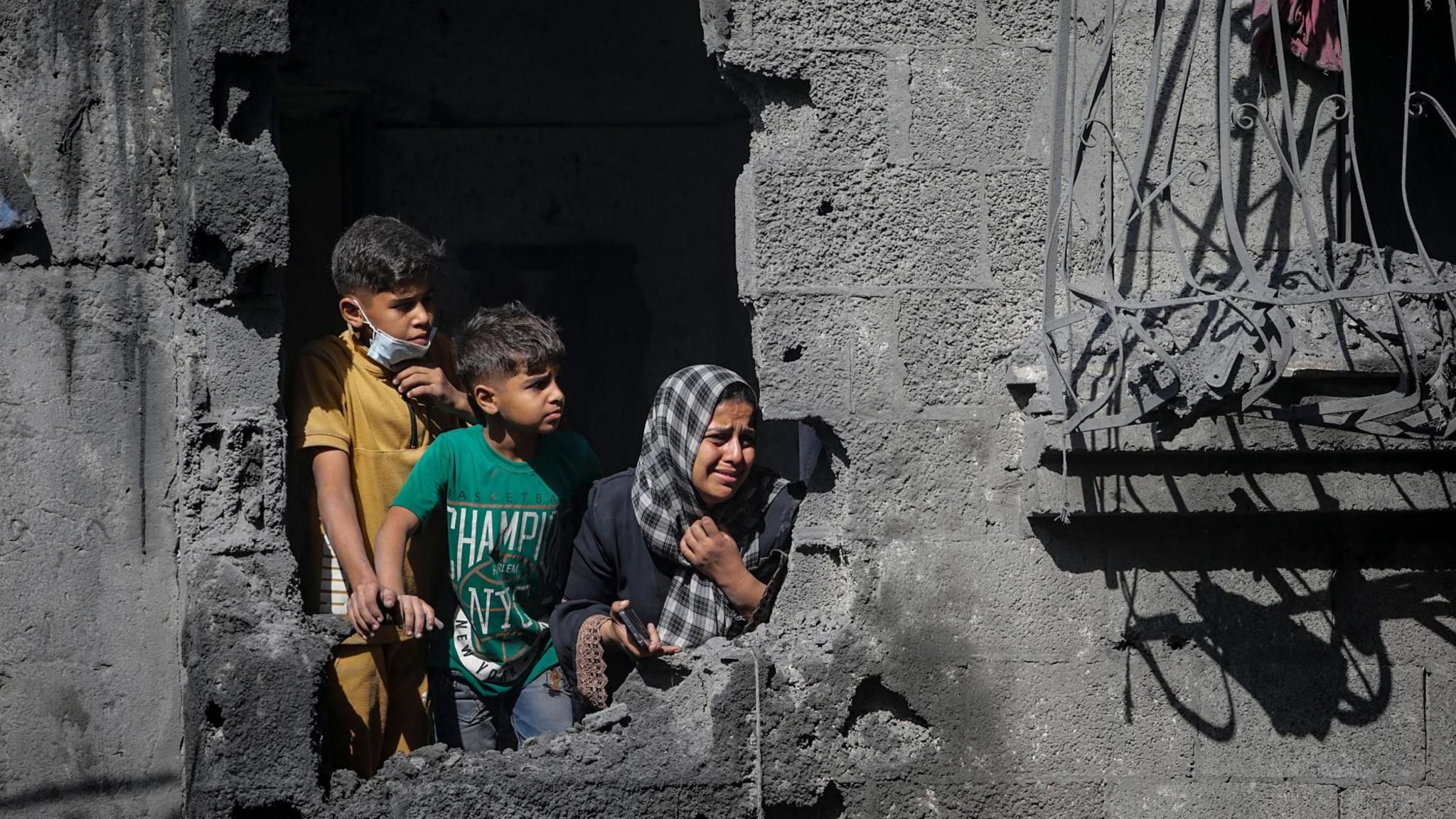
The complexity of rebuilding a peaceful Lebanese state amidst entrenched sectarian divides and regional hostilities remains daunting. With escalating airstrikes following Hezbollah's attacks, the future of Lebanon hangs in the balance as discussions convene, awaiting the outcome of ambivalence from both Israeli and Lebanese fronts. With a reported 1.2 million displaced citizens and uncertainty pervading the nation, the path towards peace is fraught with complications, underscoring Lebanon’s struggle to reconcile its fragmented factions and find common ground in negotiations.
Previously unrecognized for direct dialogue, this engagement becomes crucial as Aoun navigates a fraught political landscape overshadowed by Hezbollah's military ambitions and Israel’s security concerns. The Lebanese government faces mounting pressure as public sentiment largely favors a single army controlling arms, yet Hezbollah remains steadfast in its resolve, claiming a vital role in defending Lebanese territory against perceived Israeli aggression.
The recent wave of violence, attributed to retaliatory attacks following the death of Iran’s Ayatollah Ali Khamenei, has further complicated Lebanon's position. As President Aoun seeks to mitigate the impact of the ongoing conflict, he finds himself with few options to disarm Hezbollah without risking another civil conflict.
The complexity of rebuilding a peaceful Lebanese state amidst entrenched sectarian divides and regional hostilities remains daunting. With escalating airstrikes following Hezbollah's attacks, the future of Lebanon hangs in the balance as discussions convene, awaiting the outcome of ambivalence from both Israeli and Lebanese fronts. With a reported 1.2 million displaced citizens and uncertainty pervading the nation, the path towards peace is fraught with complications, underscoring Lebanon’s struggle to reconcile its fragmented factions and find common ground in negotiations.