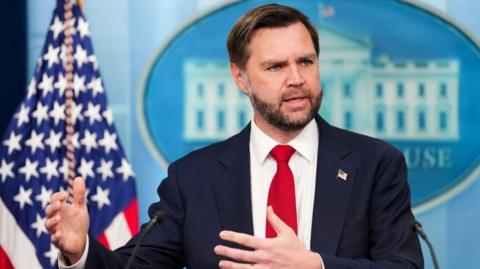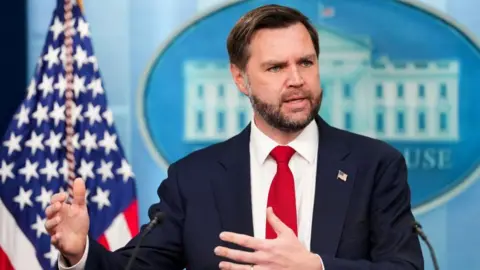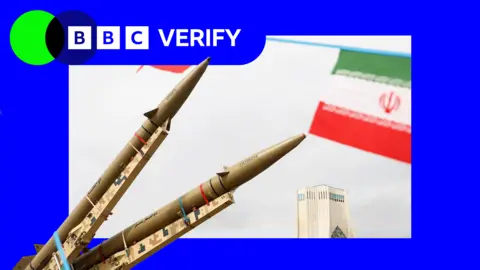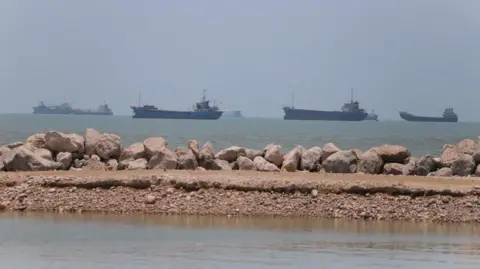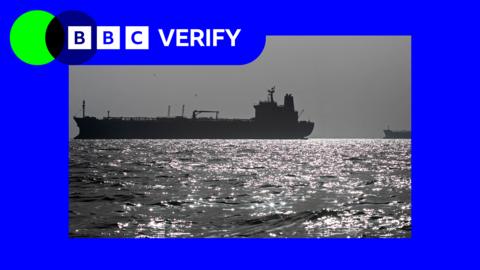
After a diplomatic team led by US Vice-President JD Vance attempted, but failed, to negotiate a resolution to the conflict with Iran on Saturday, President Trump made a decisive move on Sunday morning with a series of posts on Truth Social. He announced that the US would enforce a naval blockade of Iran, commenting, No one who pays an illegal toll will have safe passage on the high seas, further asserting that the military was locked and loaded for potential action against Iran.
This declaration follows a period of tense negotiations in Islamabad, where progress was made, yet key US demands were unmet, particularly concerning Iran’s nuclear ambitions. Despite the lack of a clear breakthrough, Trump portrayed the discussions as a sign of progress, contradicting a US official's broader list of unresolved issues, which included Iran’s regional activities.
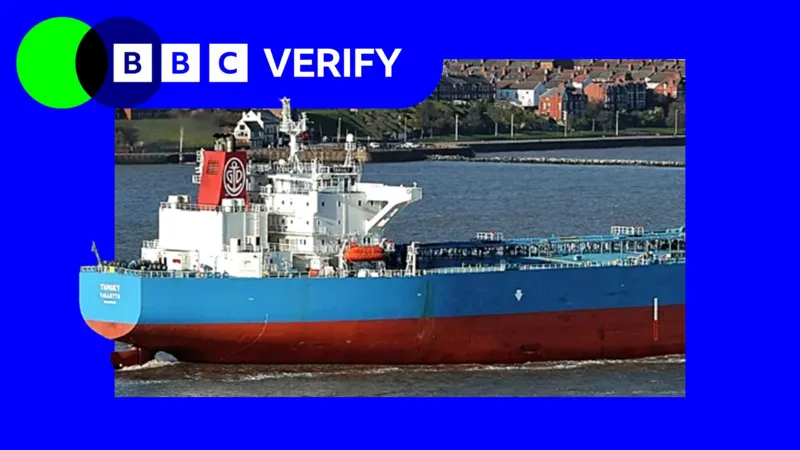
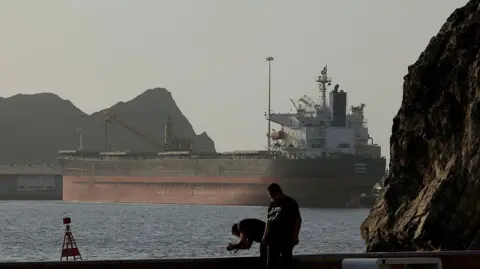
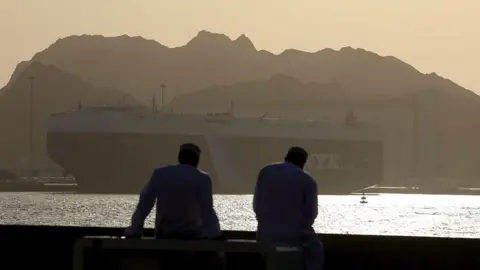
The implications of such aggressive posturing are significant. Questions arise about the risks posed to American naval vessels, how the US will identify what constitutes illegal payments to Iran, and whether force will be used against foreign-flagged ships defying the blockade. Furthermore, countries reliant on Iranian oil, such as China, may react strongly to these developments, leading to economic ripple effects as the US aims to curtail Iran's oil revenue, potentially driving oil prices higher.
Trump's latest posts, while not as incendiary as previous threats, indicate a reshuffling of strategies that come with their own set of challenges and risks. As the naval blockade is set to halt all ships traveling to or from Iranian ports, it creates a precarious situation that many lawmakers, including Senator Mark Warner, question as an effective means to compel Iran to lift its blockade.
Political commentators point to the increasingly unpopular war in Iran among the American public, with a recent poll indicating that 59% of citizens believe the war is going poorly. As the midterm elections draw near, the political ramifications of Trump's foreign policy strategy remain uncertain, leaving many to wonder about the long-term effects of this escalation on both the US and Iran's stability.
This declaration follows a period of tense negotiations in Islamabad, where progress was made, yet key US demands were unmet, particularly concerning Iran’s nuclear ambitions. Despite the lack of a clear breakthrough, Trump portrayed the discussions as a sign of progress, contradicting a US official's broader list of unresolved issues, which included Iran’s regional activities.
The implications of such aggressive posturing are significant. Questions arise about the risks posed to American naval vessels, how the US will identify what constitutes illegal payments to Iran, and whether force will be used against foreign-flagged ships defying the blockade. Furthermore, countries reliant on Iranian oil, such as China, may react strongly to these developments, leading to economic ripple effects as the US aims to curtail Iran's oil revenue, potentially driving oil prices higher.
Trump's latest posts, while not as incendiary as previous threats, indicate a reshuffling of strategies that come with their own set of challenges and risks. As the naval blockade is set to halt all ships traveling to or from Iranian ports, it creates a precarious situation that many lawmakers, including Senator Mark Warner, question as an effective means to compel Iran to lift its blockade.
Political commentators point to the increasingly unpopular war in Iran among the American public, with a recent poll indicating that 59% of citizens believe the war is going poorly. As the midterm elections draw near, the political ramifications of Trump's foreign policy strategy remain uncertain, leaving many to wonder about the long-term effects of this escalation on both the US and Iran's stability.