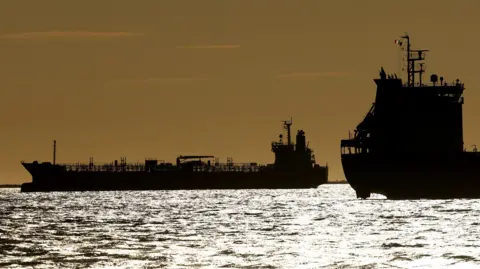
On Friday, the U.S. military carried out an offensive against a vessel believed to be involved in drug smuggling in the eastern Pacific, resulting in three individuals surviving the attack. U.S. Southern Command, which oversees military operations in Latin America, posted on X about the strike and stated that the U.S. Coast Guard had been alerted to assist in search and rescue operations for the survivors. However, details about the rescue efforts and the status of the vessel’s crew were not disclosed.
Since the Trump administration initiated its campaign against “narcoterrorists,” over 157 fatalities have been documented in similar boat strikes, reflecting the widening scope of military engagement against drug traffickers along established smuggling routes. The Southern Command's statements about these strikes often lack specific evidence regarding the presence of drugs on board the targeted vessels, raising questions about the justification of these military actions. Video footage shared by the U.S. military depicted a vessel engulfed in flames amidst the ocean.
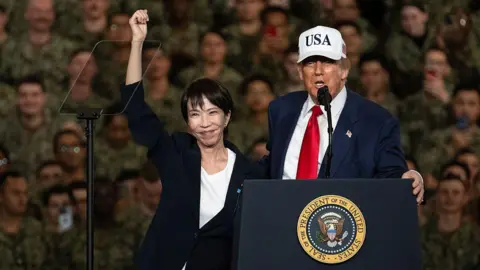
President Trump has framed the U.S.'s approach as part of an armed conflict with drug cartels in Latin America, arguing that these operations are necessary to reduce drug inflow and resultant fatalities from overdoses in the U.S. Nonetheless, the administration's claims of neutralizing narcoterrorists have faced criticism for the lack of evidential support.
Furthermore, numerous critics have challenged the legality and overall effectiveness of the military strikes, suggesting that much of the fentanyl contributing to fatal overdoses is trafficked overland from Mexico rather than through maritime routes, which has prompted calls for a review of strategies to combat drug trafficking.}
Since the Trump administration initiated its campaign against “narcoterrorists,” over 157 fatalities have been documented in similar boat strikes, reflecting the widening scope of military engagement against drug traffickers along established smuggling routes. The Southern Command's statements about these strikes often lack specific evidence regarding the presence of drugs on board the targeted vessels, raising questions about the justification of these military actions. Video footage shared by the U.S. military depicted a vessel engulfed in flames amidst the ocean.
President Trump has framed the U.S.'s approach as part of an armed conflict with drug cartels in Latin America, arguing that these operations are necessary to reduce drug inflow and resultant fatalities from overdoses in the U.S. Nonetheless, the administration's claims of neutralizing narcoterrorists have faced criticism for the lack of evidential support.
Furthermore, numerous critics have challenged the legality and overall effectiveness of the military strikes, suggesting that much of the fentanyl contributing to fatal overdoses is trafficked overland from Mexico rather than through maritime routes, which has prompted calls for a review of strategies to combat drug trafficking.}