Shipping disruptions from the ongoing US-Israel war with Iran have severely impacted gas supplies to India, risking a regression to more polluting fuels like coal, kerosene, and biomass, warn experts.
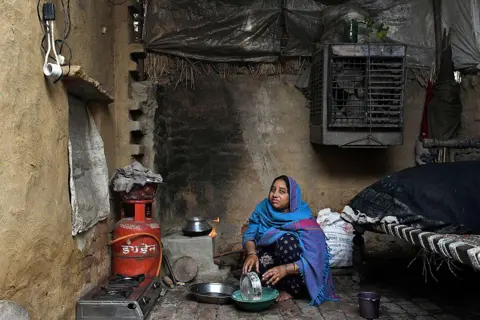
Recent reports indicate a surge in sales of timber and cow dung cakes—both biomass fuels—in parts of India, reflecting a growing reliance on alternatives as the nation grapples with the supply crunch.
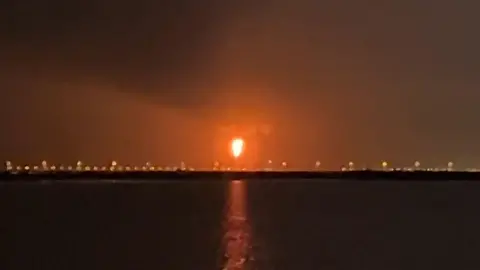
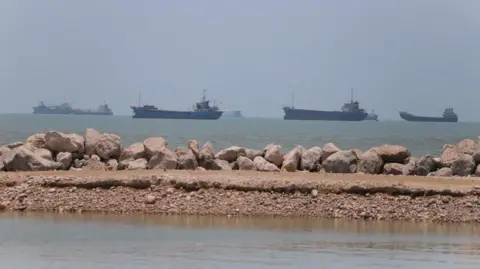
India has been facing difficulties in cooking gas supplies, leading to panic buying among domestic users. The conflict, which began on February 28, has halted shipping through the vital Strait of Hormuz, a crucial passageway for approximately one-fifth of the world's oil and gas.
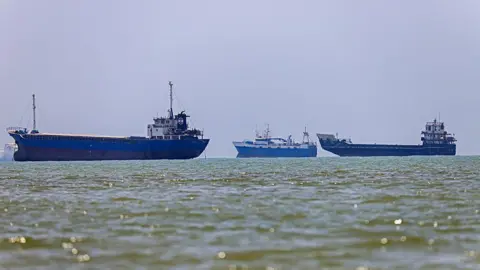
The Strait handles about half of India's liquefied natural gas (LNG) imports and a significant portion of its liquefied petroleum gas (LPG) shipments. In response to the crisis, Indian Foreign Minister S. Jaishankar has stated that diplomatic talks with Iran may alleviate the shipping disruptions. However, about 21 ships remain stalled while supply continues to be tight.
In light of the situation, the Indian government has authorized an additional 48,000 kilolitres of kerosene for states beyond the regular quota, aimed at supporting low-income households through the public distribution system (PDS).
Petroleum Minister Hardeep Singh Puri confirmed that kerosene is being made available through both retail outlets and PDS channels. The environment ministry has urged state pollution boards to permit restaurants and hotels to temporarily switch to alternative fuels, prioritizing cooking gas for households and essential sectors.
Historically, India has been working to reduce its reliance on kerosene and traditional biomass sources. However, with up to 60% of its LPG imported, supply challenges could reverse progress made in cleaner cooking solutions, with kerosene production declining dramatically in recent years.
Experts caution that a shift back to kerosene, coal, and biomass would exacerbate indoor air pollution, leading to serious health risks. Factors such as urban households’ limited fallback options make them particularly vulnerable to fuel shortages, prompting experts to suggest electric cooking as a potential alternative, albeit with increased electricity demand.
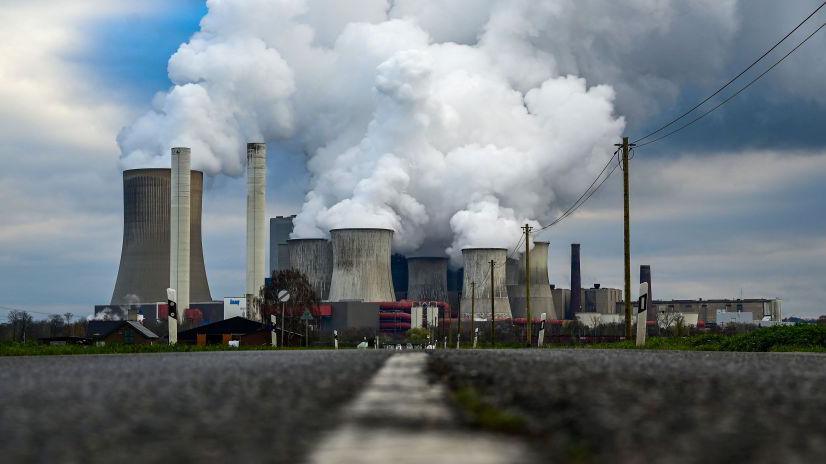
Despite India's ongoing reliance on coal for nearly 79% of its domestic energy requirements, the return to polluting fuels remains a temporary measure, as the overwhelming goal is to switch back to cleaner LPG supplies once the disruptions are resolved. Experts continue to advocate for sustainable technologies that would enhance energy resilience and support a clean energy transition, although widespread adoption will take time.