The US is weighing lifting sanctions on some Iranian oil, as it scrambles to contain the impact of its war in Iran on energy markets. Treasury Secretary Scott Bessent put forward the idea in a Fox interview, saying it could make more oil available to global buyers. Around the world, energy prices are shooting up as the war takes a toll on shipping and production.
If put into action, the move would mark a stunning reversal of longstanding American policy - and one with highly uncertain pay-off. Experts said it was likely to have a limited effect on prices, and could boost funds going to the Iranian regime that the US is attacking. To put it mildly, this is bananas, said David Tannenbaum, director of Blackstone Compliance Services, a consultancy specializing in maritime sanctions. Essentially we're allowing Iran to sell oil, which could then be used to fund the war effort.
Before the war, China was the primary buyer of the oil coming out of Iran, scooping up the barrels at a steep discount due to sanctions imposed by the US and other countries. In the interview with Fox Business programme Mornings with Maria on Thursday, Bessent said a waiver on the sales restrictions could help divert more of those supplies to other countries in need of oil, such as India, Japan, and Malaysia, while forcing China to pay market price.
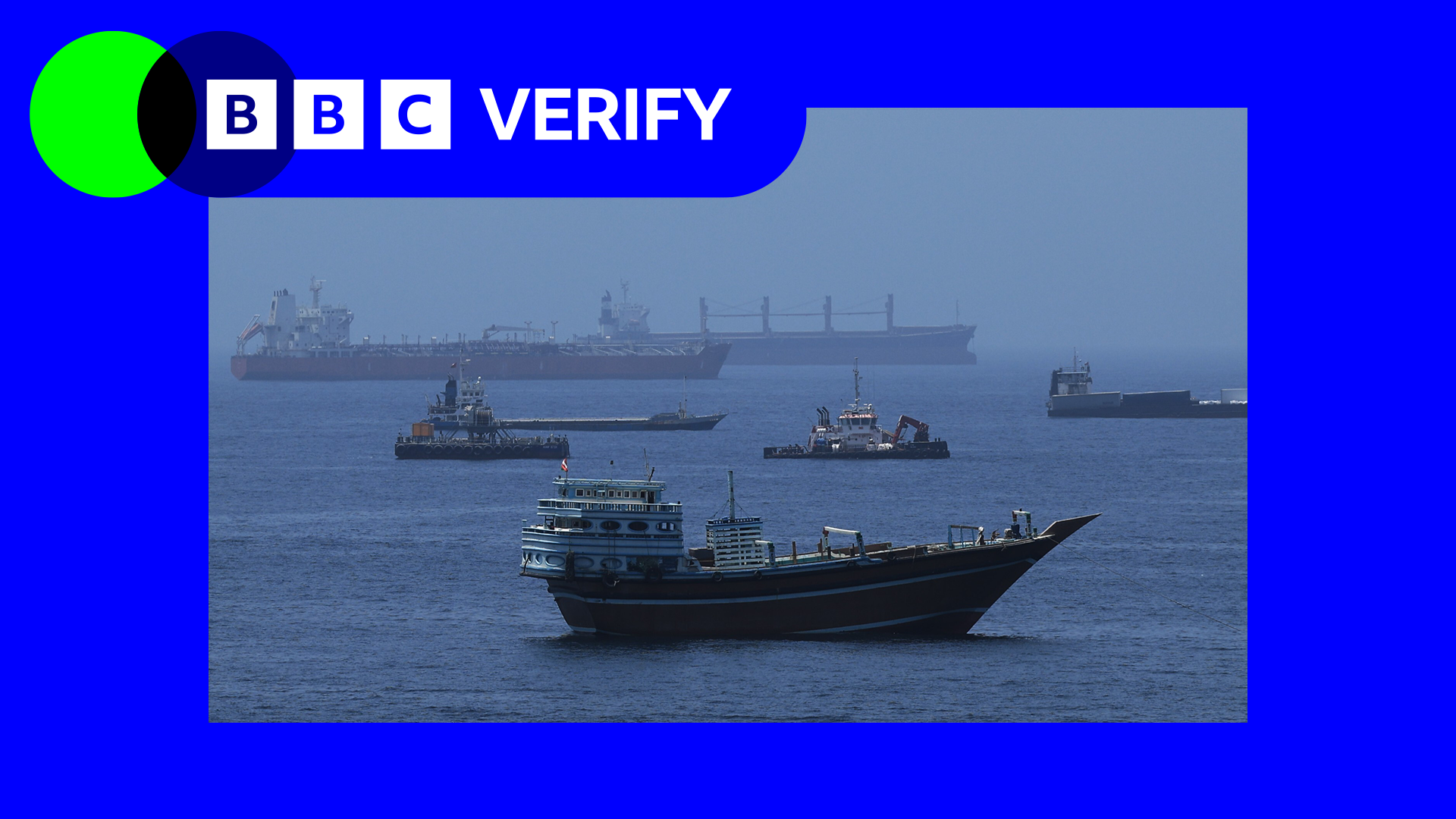
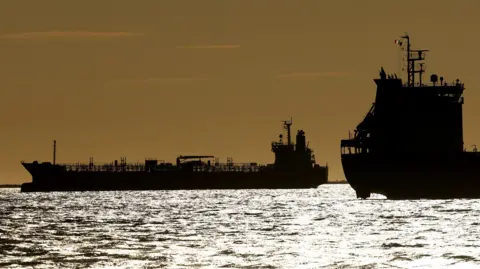
He mentioned that the US was looking at removing sales restrictions on Iranian oil that is already at sea, which he estimated amounts to about 140 million barrels. He suggested that releasing these barrels could push down global prices for 10 to 14 days.
However, Bessent did not provide details about how a potential waiver would work or whether it could include rules to prevent money from flowing back to the Iranian government. The treasury department declined to provide more detail about the proposal.
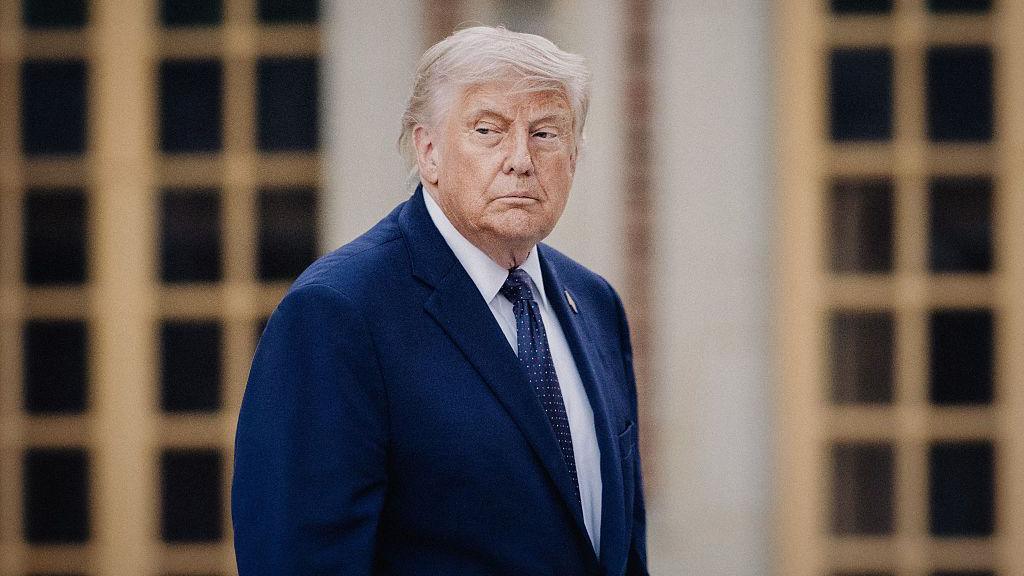
President Donald Trump, when asked whether he would move forward with the idea, did not provide a clear answer, telling reporters on Thursday that we will do whatever is necessary to keep the price before cutting himself off.
Given that the supply being discussed is relatively small compared to overall demand, experts warned that the waiver would not significantly impact prices. Additionally, while lifting sanctions might open up those barrels to more buyers, much of the oil was already making it to market. It could add a little bit ... but I don't think it's a game changer and it raises a whole lot of questions, said Rachel Ziemba, an adjunct senior fellow at the Center for a New American Security, a think tank.
This proposal follows other US efforts to boost supply, including the release of millions of barrels of oil reserves and the suspension of some sanctions on Russian oil last week, a decision that sparked significant backlash in Europe.
It remains unclear whether Bessent's proposal could provoke a similar reaction in the US, especially as the House of Representatives just passed a bill aimed at strengthening sanctions on Iran's oil sector.
Ziemba stated that while the US would likely want to prevent oil sale proceeds from benefiting the Iranian government, achieving that in practice could be complex. The mere consideration of such a step indicates an administration responding to pressing energy supply concerns. With approximately one-fifth of the world’s oil traveling through the Strait of Hormuz, disruptions from the ongoing conflict have worsened supply issues.
If put into action, the move would mark a stunning reversal of longstanding American policy - and one with highly uncertain pay-off. Experts said it was likely to have a limited effect on prices, and could boost funds going to the Iranian regime that the US is attacking. To put it mildly, this is bananas, said David Tannenbaum, director of Blackstone Compliance Services, a consultancy specializing in maritime sanctions. Essentially we're allowing Iran to sell oil, which could then be used to fund the war effort.
Before the war, China was the primary buyer of the oil coming out of Iran, scooping up the barrels at a steep discount due to sanctions imposed by the US and other countries. In the interview with Fox Business programme Mornings with Maria on Thursday, Bessent said a waiver on the sales restrictions could help divert more of those supplies to other countries in need of oil, such as India, Japan, and Malaysia, while forcing China to pay market price.
He mentioned that the US was looking at removing sales restrictions on Iranian oil that is already at sea, which he estimated amounts to about 140 million barrels. He suggested that releasing these barrels could push down global prices for 10 to 14 days.
However, Bessent did not provide details about how a potential waiver would work or whether it could include rules to prevent money from flowing back to the Iranian government. The treasury department declined to provide more detail about the proposal.
President Donald Trump, when asked whether he would move forward with the idea, did not provide a clear answer, telling reporters on Thursday that we will do whatever is necessary to keep the price before cutting himself off.
Given that the supply being discussed is relatively small compared to overall demand, experts warned that the waiver would not significantly impact prices. Additionally, while lifting sanctions might open up those barrels to more buyers, much of the oil was already making it to market. It could add a little bit ... but I don't think it's a game changer and it raises a whole lot of questions, said Rachel Ziemba, an adjunct senior fellow at the Center for a New American Security, a think tank.
This proposal follows other US efforts to boost supply, including the release of millions of barrels of oil reserves and the suspension of some sanctions on Russian oil last week, a decision that sparked significant backlash in Europe.
It remains unclear whether Bessent's proposal could provoke a similar reaction in the US, especially as the House of Representatives just passed a bill aimed at strengthening sanctions on Iran's oil sector.
Ziemba stated that while the US would likely want to prevent oil sale proceeds from benefiting the Iranian government, achieving that in practice could be complex. The mere consideration of such a step indicates an administration responding to pressing energy supply concerns. With approximately one-fifth of the world’s oil traveling through the Strait of Hormuz, disruptions from the ongoing conflict have worsened supply issues.