NEW YORK — In a year marked by heightened scrutiny of anti-Israel sentiments in the U.S., the Trump administration's immigration enforcement campaign has ensnared several individuals involved in pro-Palestinian activism, leading to widespread fears and uncertainty among advocates.
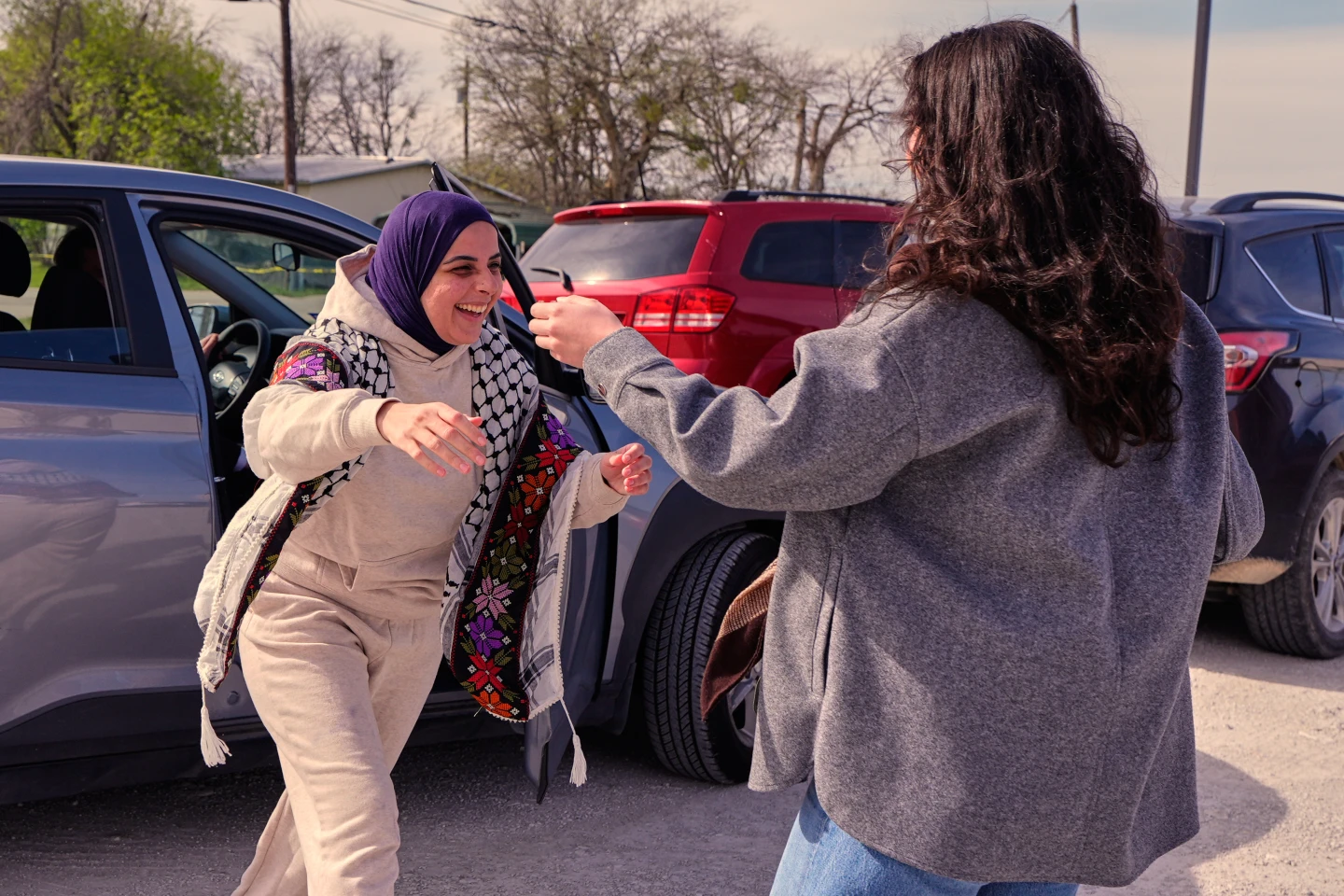
The case of Leqaa Kordia, who was recently released after a lengthy detention, underscores the serious consequences of immigration enforcement intertwined with political activism. Kordia, a 33-year-old Palestinian woman and U.S. citizen's daughter, was apprehended during an immigration check-in. Federal authorities cited her participation in what they labeled as pro-Hamas protests during her time in New Jersey. Despite being an activist on the periphery of the movement, Kordia's detention draws attention to broader concerns regarding free speech and immigration rights.
Kordia's case, however, is not isolated. Several other students and scholars face similar predicaments. Mahmoud Khalil, who garnered public attention after his arrest at a Columbia University protest, spent 104 days in detention. Khalil, originally from Syria and a legal U.S. resident, now faces the threat of deportation despite never being charged with a crime. His plight raises vital questions regarding U.S. immigration laws and the stigmatization of advocates for Palestinian rights.
Further complicating the landscape, Badar Khan Suri, a Georgetown scholar, was detained for his perceived familial connections to Gaza, while Rümeysa Öztürk of Tufts University found herself similarly targeted for a critical op-ed she co-authored. Both individuals assert their innocence, claiming that their activism does not support Hamas but rather advocates for dignity and rights for Palestinians.
Federal actions even extend to students like Yunseo Chung and Mohammed Hoque, showing the extensive reach of a crackdown that critics liken to political repression disguised as immigration enforcement.
The narrative of these activists paints a troubling picture of how immigration enforcement intersects with political expression, as many individuals fight not only for their residency but also for the right to voice their beliefs and advocate for a cause they are passionate about.
As the legal battles continue, many await a resolution that will define not only their futures but also set precedents for how the U.S. will enforce immigration laws in the face of political dissent.