Iran War Impacts Global Energy Landscape: Who Wins and Who Loses?
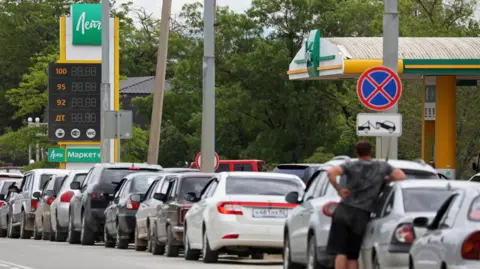
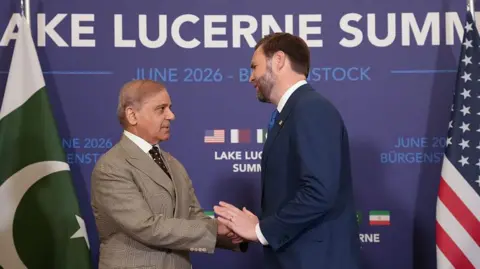
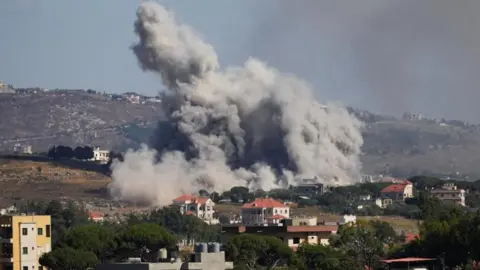
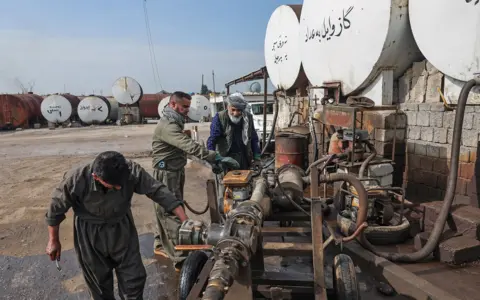
From soaring heating oil bills in Yorkshire to school closures in Pakistan, the financial fallout from the ongoing war in Iran is felt globally. This analysis outlines how the conflict, marked by Tehran's aggressive retaliation, is not only creating instability but also reshaping the landscape of global energy markets.
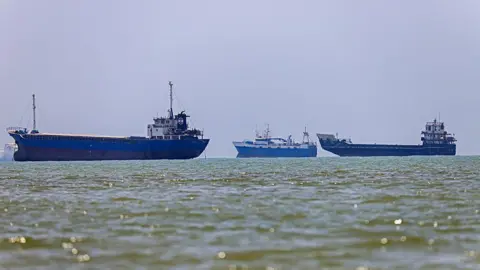
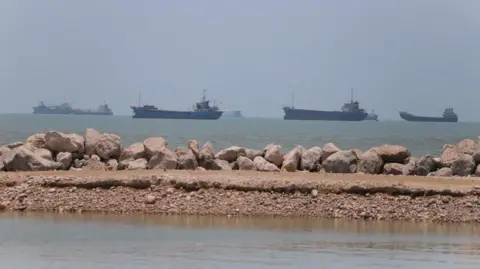
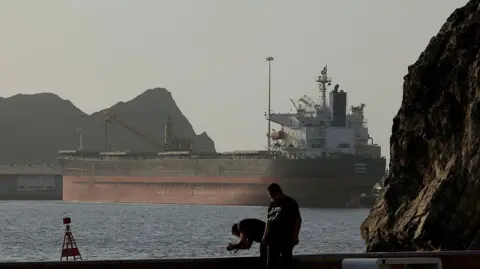
As the conflict disrupts supply lines through crucial energy corridors like the Strait of Hormuz, Gulf producers are experiencing noteworthy challenges. Countries like Qatar and Saudi Arabia have become significant casualties, while others, particularly energy exporters like Norway and Canada, are poised to benefit from the situation.
Winners: Norway, Canada, and Russia
In a world still heavily reliant on oil and gas, rising prices are generally favorable for producers. Norway and Canada have stepped up to fill the gap left by Middle Eastern disruptions, likely benefiting from increased demand.
Moreover, Russia could emerge as a significant beneficiary; with U.S. market restrictions easing, its crude oil sales to India have reportedly surged by 50%, potentially increasing Moscow's revenues significantly.
Losers: US, UK, and Europe
Contrastingly, the U.S., UK, and Europe find themselves in precarious positions due to their dependency on imported oil and gas. The volatile market threatens to drive inflation and economic stagnation in these regions.
Continued geopolitical tension and economic repercussions hinge on the war's trajectory, with the underlying reality being that the ripple effects of this conflict will be wide-reaching and multifaceted. Energy customers and producers worldwide are left facing an uncertain future.