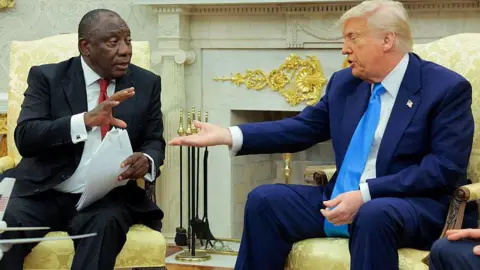
US President Donald Trump has said he would accept a 20-year suspension by Iran of its nuclear programme, in what appears to be confirmation of a shift in position away from a demand for a total end to it. Trump stated that it had to be a 'real 20 years', a notable shift from his earlier calls for Iran to permanently cease enriching uranium and to be prevented from acquiring nuclear weapons.
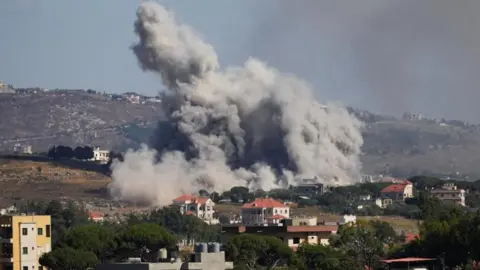
However, he expressed that his patience with Iran was waning as talks continue to stall. Tensions remain high as Israeli and US forces began significant air strikes on Iran at the end of February, with a ceasefire still largely observed despite some exchanges of fire. The conflict and diplomatic dialogues have included various proposals for a cessation of hostilities, though agreements have yet to be reached.
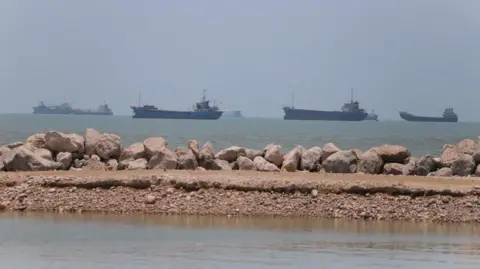
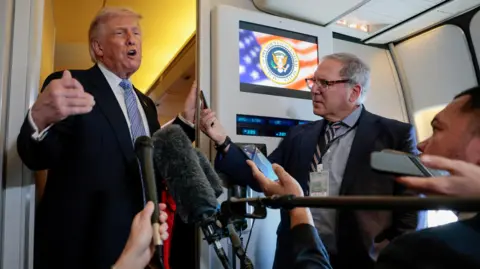
During an interaction with reporters on Air Force One after discussions with Chinese President Xi Jinping, Trump stressed that Tehran must not be allowed nuclear weapons and should reopen the strategic Strait of Hormuz, which has been blocked, affecting global oil markets. When prompted about the adequacy of a 20-year suspension, he reinforced the notion that it must indeed be a 'real' commitment from Iran.
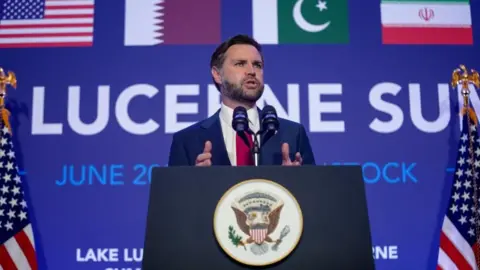
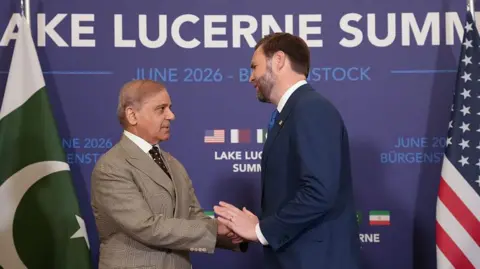
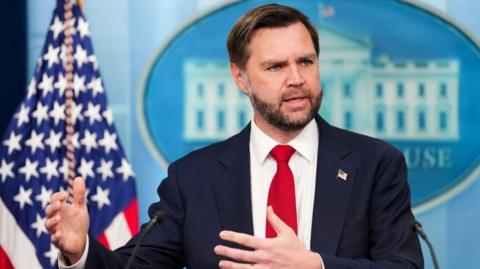
Reports suggest that during prior talks in Islamabad, Vice-President JD Vance had insisted on a minimum 20-year suspension in response to an Iranian proposition for a five-year halt in uranium enrichment. This is reportedly the first time Trump himself has directly mentioned a 20-year timeframe for Iran's nuclear inbox, reflecting strategic shifts in U.S. foreign policy amid ongoing regional conflicts.
Despite attempts at diplomatic resolutions, both sides appear distant, having dismissed each other's latest proposals for conflict resolution. Iranian media disclosed that Tehran's proposition encompassed an immediate end to hostilities on multiple fronts, a cessation of the U.S. naval blockade, and assurances against future military actions targeting Iran. Following Trump's remarks, Israel's position remains firm, with Prime Minister Netanyahu asserting that Iran's stockpile of enriched uranium must be eliminated before the conflict can reach any conclusion. Netanyahu had previously opposed the 2015 nuclear agreement, emphasizing concerns over provisions that could allow Iran to eventually obtain nuclear capabilities.
However, he expressed that his patience with Iran was waning as talks continue to stall. Tensions remain high as Israeli and US forces began significant air strikes on Iran at the end of February, with a ceasefire still largely observed despite some exchanges of fire. The conflict and diplomatic dialogues have included various proposals for a cessation of hostilities, though agreements have yet to be reached.
During an interaction with reporters on Air Force One after discussions with Chinese President Xi Jinping, Trump stressed that Tehran must not be allowed nuclear weapons and should reopen the strategic Strait of Hormuz, which has been blocked, affecting global oil markets. When prompted about the adequacy of a 20-year suspension, he reinforced the notion that it must indeed be a 'real' commitment from Iran.
Reports suggest that during prior talks in Islamabad, Vice-President JD Vance had insisted on a minimum 20-year suspension in response to an Iranian proposition for a five-year halt in uranium enrichment. This is reportedly the first time Trump himself has directly mentioned a 20-year timeframe for Iran's nuclear inbox, reflecting strategic shifts in U.S. foreign policy amid ongoing regional conflicts.
Despite attempts at diplomatic resolutions, both sides appear distant, having dismissed each other's latest proposals for conflict resolution. Iranian media disclosed that Tehran's proposition encompassed an immediate end to hostilities on multiple fronts, a cessation of the U.S. naval blockade, and assurances against future military actions targeting Iran. Following Trump's remarks, Israel's position remains firm, with Prime Minister Netanyahu asserting that Iran's stockpile of enriched uranium must be eliminated before the conflict can reach any conclusion. Netanyahu had previously opposed the 2015 nuclear agreement, emphasizing concerns over provisions that could allow Iran to eventually obtain nuclear capabilities.