Sir Keir Starmer has described President Donald Trump's remarks about British troops in Afghanistan as insulting and frankly appalling.
On Thursday, Trump stated that US allies stayed a little off the front lines in the conflict and expressed uncertainty about NATO's commitment to assist the US if necessary.
Starmer asserted that if he had mispoken in that way, he would certainly apologise.
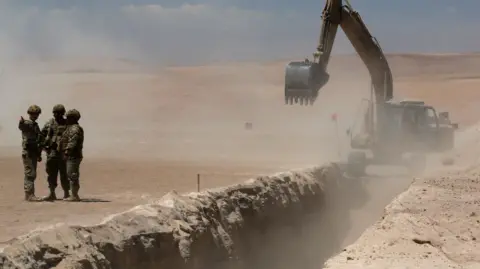
Trump's comments have ignited international outrage, noting that the UK and other nations joined the US in Afghanistan after NATO's collective defense clause was activated post-9/11, resulting in the loss of 457 British soldiers.
I will never forget their courage, their bravery and the sacrifice they made for their country, Starmer emphasized. There were many also who were injured, some with life-changing injuries. I find President Trump's remarks to be insensitive and frankly appalling, and I am not surprised they have caused hurt among the families of those who were killed or injured, and indeed across the country.
Starmer's response followed an interview where Trump claimed, We've never needed [NATO forces]. They stayed a little back, a little off the front lines during the Afghan conflict.
The reaction to Trump's comments has been vociferous across the UK political landscape, highlighting the number of British fatalities in the Afghan war and recalling Trump's past evasion of military service during the Vietnam War. Several UK party leaders, including Conservative leader Kemi Badenoch and Liberal Democrat leader Sir Ed Davey, condemned Trump's remarks, noting that he does not understand the sacrifices made by British troops.
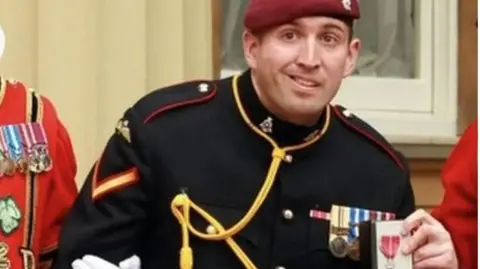
Dernie, mother of a severely injured soldier, called for Starmer to directly address Trump, stating: If I had said something like that, I would apologize. His words were what we wanted to hear, but we need those words directed at the President.
The White House stood by Trump's NATO criticisms, asserting his long-held views on America's contributions to NATO and its allies.
Starmer's urgent call for a respectful dialogue has placed the spotlight on international military alliances, the sacrifice of service members, and the responsibility of leadership amid geopolitical tensions.