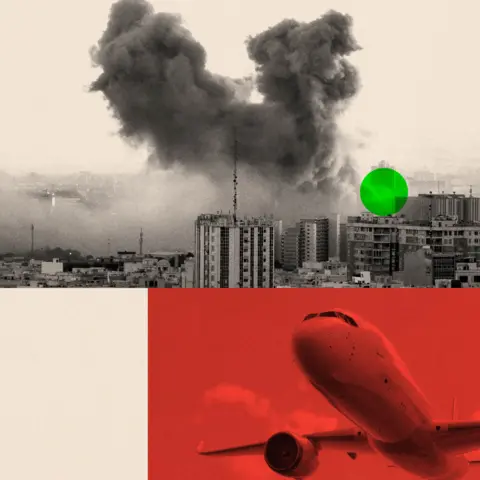
Prepare for turbulence - how a prolonged Middle East conflict could reshape how we fly
Once a mere outpost, Dubai has evolved into a vital hub for global aviation, with the Dubai International Airport becoming the world's busiest airport for international passengers. However, the ongoing conflict in the Middle East is causing significant disruptions across air travel, grounding flights and leaving passengers stranded.
With air traffic in the region heavily impacted due to closed airspace, nearly 30,000 flights have been canceled since the conflict began. Additionally, concerns over fuel supply, particularly following Iran's blockade of the Strait of Hormuz—which typically supplies about half of Europe's jet fuel—have resulted in soaring prices and further cuts to flight availability.
Travelers have experienced chaos in departure halls, forced to navigate the turmoil without knowing when they might resume their journeys. Many are now seeking alternative routes, cutting through traditional pathways favored by the Gulf carriers, which could have lasting impacts on their business model.
Experts are left wondering if the Gulf aviation model, known for transforming long-distance travel, can endure after such profound reputational damage. As other airlines look to capitalize on the situation by establishing routes that avoid the Gulf, prices are expected to rise, and the future of the Gulf as a transit hub remains uncertain.
With caution now dominating the travel mindset, the Gulf hubs face a significant task ahead—overcoming safety concerns and reviving their roles as essential junctions in international aviation.