Kenyan Crackdown Turns Foreign Traders into Targets, Sparking Fear in Nairobi
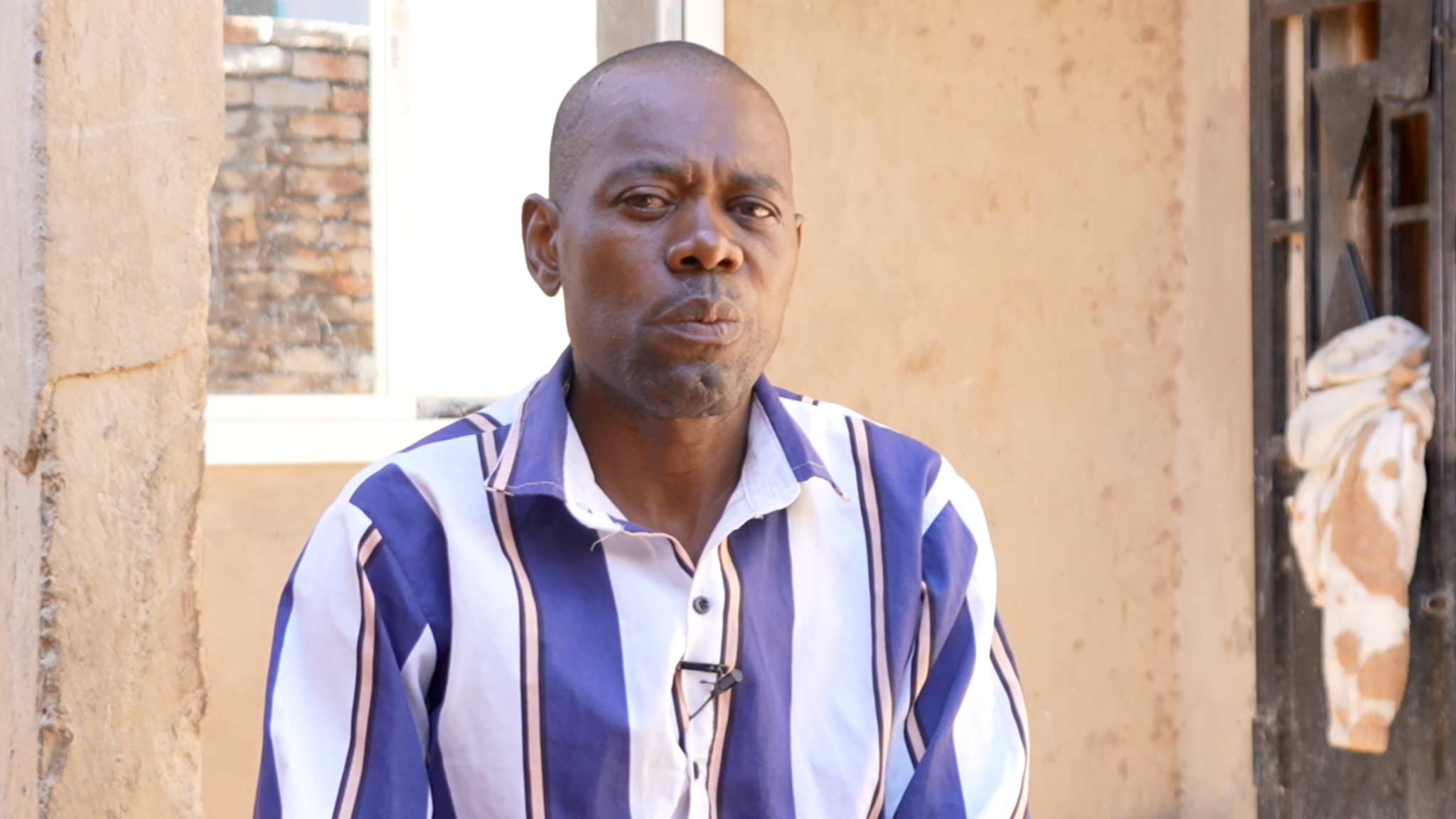
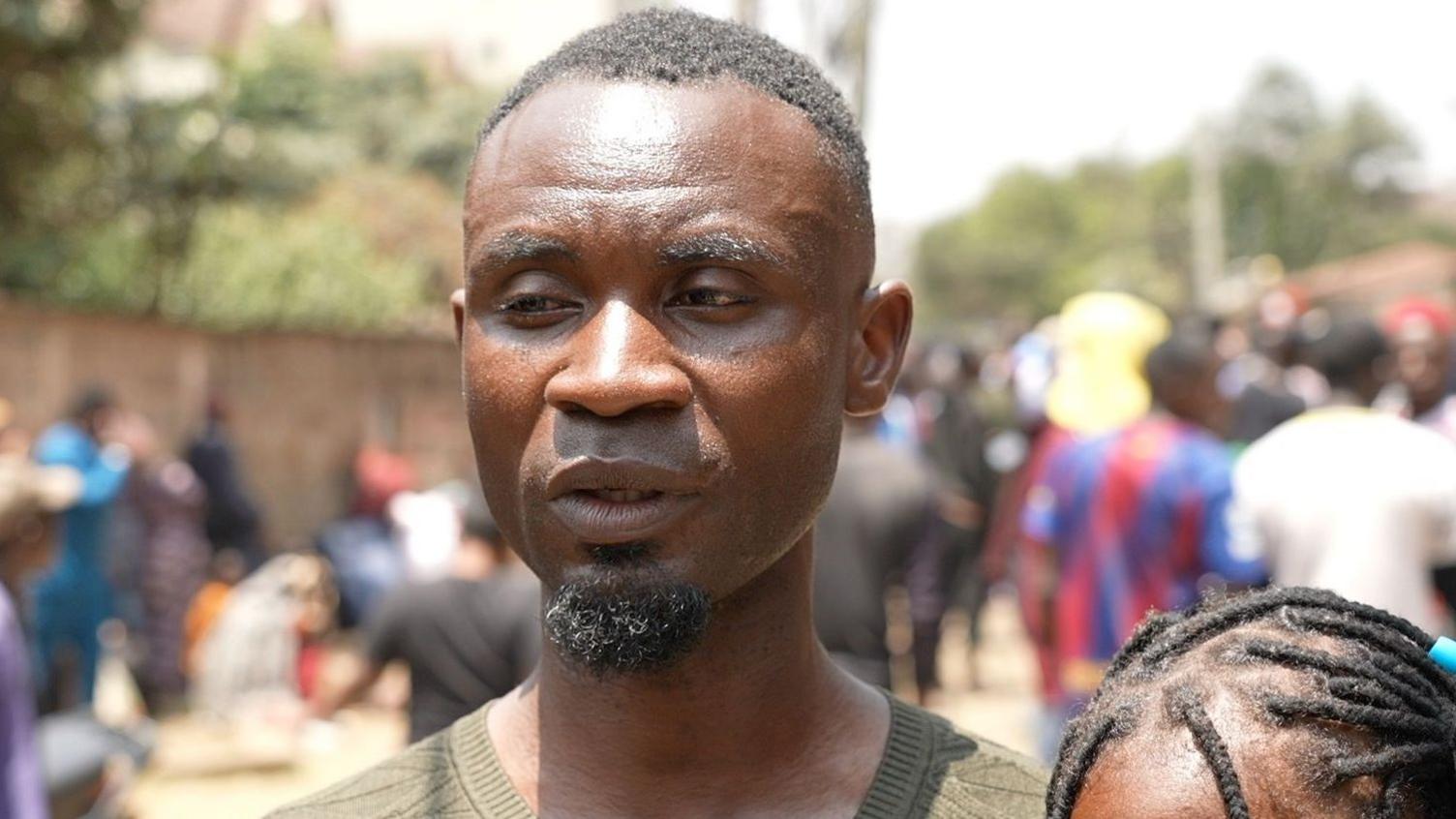
Ndaikech Ali, a Burundian tuk‑tuk driver who has lived in Kenya for nine years, says he no longer feels safe in the capital. The 40‑year‑old, who once praised the country as “friendly” and “welcoming,” now warns that children are “setting him on fire” as a result of President William Ruto’s recent warning that foreign owners of small businesses must leave by 7 September.
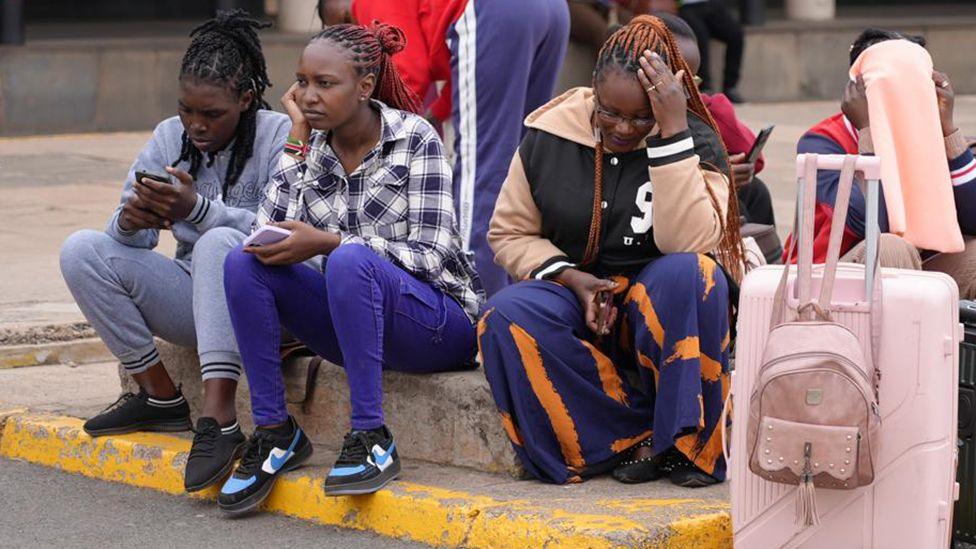
The announcement, delivered before a crowd of traders at State House, was interpreted by many as a call to kick foreign‑owned hawkers and vendors out of the market, tightening a rule that would require local sourcing of certain goods. In the days that followed, Burundian nationals, volunteers from the East African Community, and other foreign residents found themselves queuing at Nairobi’s embassy to obtain documents to return home.
The crackdown has fractured families, as seen in the case of Grace Wamaitha, a Nairobi resident whose Burundian husband fled on the day after the directive, leaving her to shoulder five children’s school fees and housekeeping alone. Others, such as Prosper, a Burundi citizen with a Kenyan partner, fear legal consequences if they remain in Kenya without formal documents.
The move has also drawn diplomatic retaliation: Burundi’s foreign affairs minister warned that “hate speech against Burundi” could provoke reciprocal harm, prompting Kenyan officials—like Korir Sing'Oei—to visit the embassy and publicly apologize for any violence.
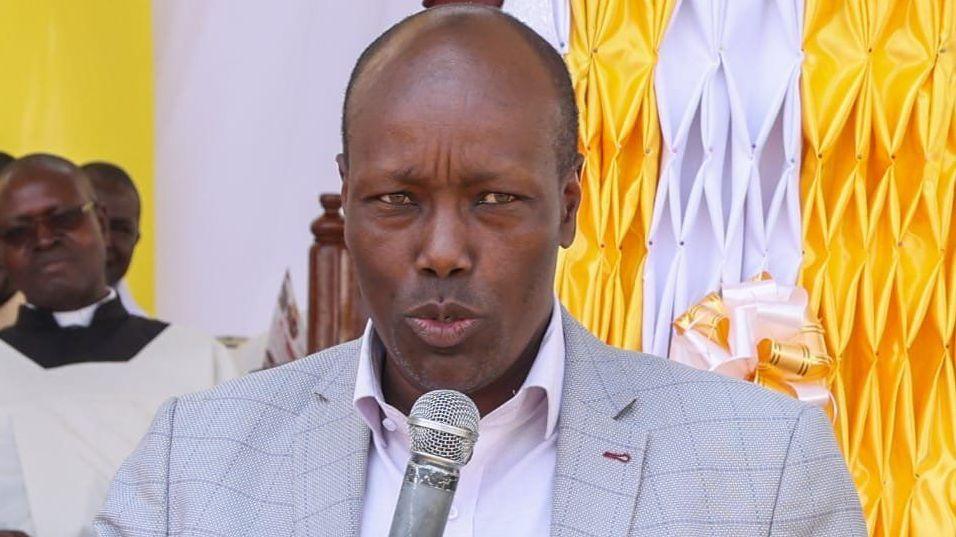
Economists and political analysts claim the policy risks turning Kenya from a regional trade hub into a closed economy. The governor of the East African Community, Hesbon Owilla, criticised the president’s diction for appearing to “kick people out” rather than clarify the need for proper permits, while economist Odhiambo Ramogi said the Kenyan government has shown too little sophistication in handling a population that includes refugees and millions of neighbouring migrants.
The Ruto administration, forecast to contest the next presidential election, has since issued a formal statement affirming that Kenya remains an open, secure country and “will safeguard the rights of all persons lawfully within its borders.” Nevertheless, critics argue that the pop‑ulist push threatens Kenya’s inclusive identity and economic prospects, especially at a time when the country stands to gain from cross‑border commerce.
In response, the government announced a 90‑day registration window, whereby undocumented foreign small‑business owners could regularise their status and be treated as legally present. Many have, however, expressed skepticism that this will effectively reverse the climate of fear or halt the ongoing exodus of visitors to borders, who fear separation and hardship.