Hong Kong Activists Convicted on National Security Law for Tiananmen Vigils
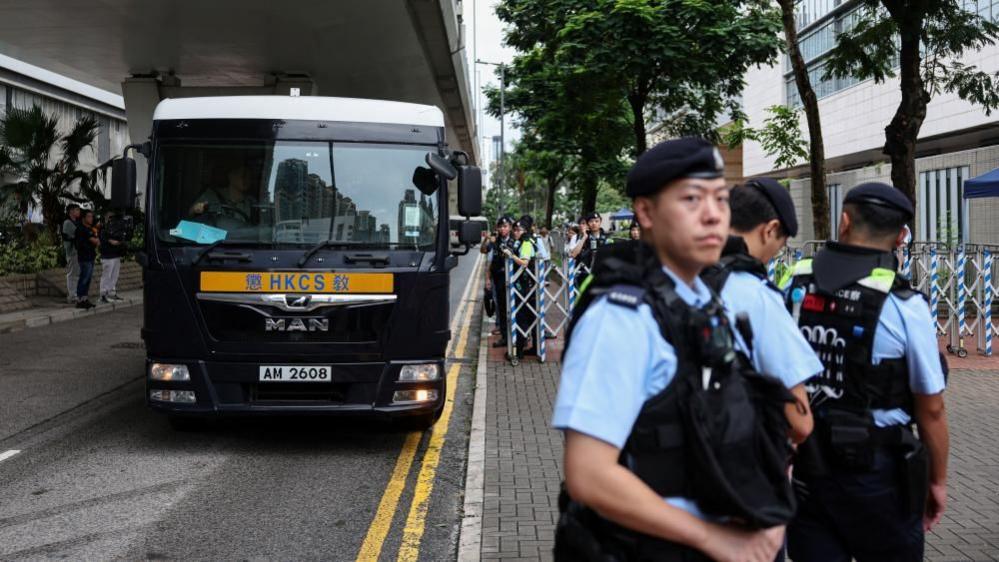
In a courtroom at West Kowloon Magistrates' Courts, the city’s National Security Law met two veteran political activists who had led the annual memorial vigils for the 1989 Tiananmen Square crackdown.
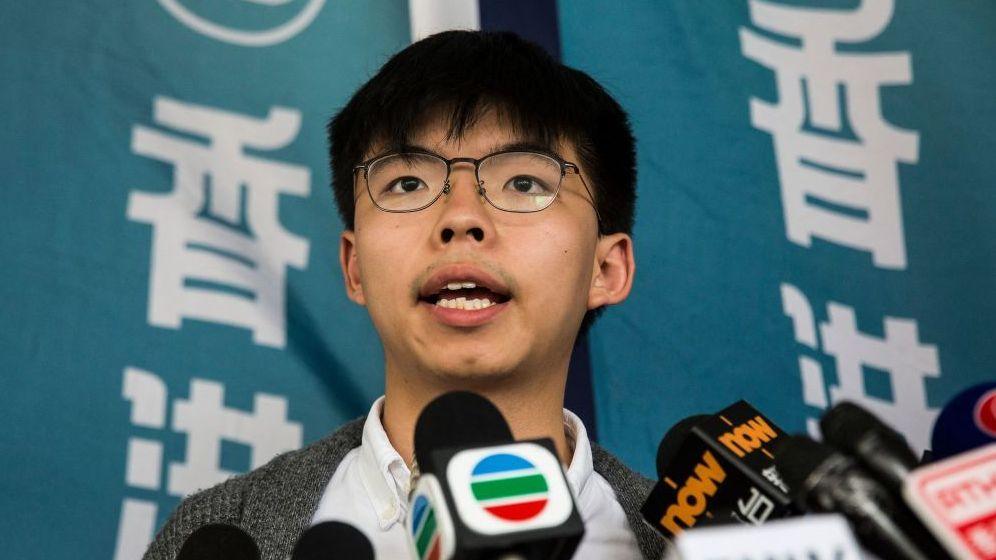
Lee Cheuk‑yan (69) and Chow Hang‑tung (41) were found guilty of inciting others to subvert state power, the most severe charge under China‑introduced legislation that has reshaped dissent in Hong Kong. Prosecutors argued the activists "endangered national security in the name of human rights" and that the law itself is on trial. The judges confirmed that the vigils, once a rare public protest in mainland China territory, had been banned in 2020 amid COVID‑19 restrictions, even as the national security law came into force that same year.
The pair, former leaders of the now‑defunct Hong Kong Alliance for the Rights of the People (HKAR), had been detained since 2021 following a charge of subversion. A third defendant, former lawmaker Albert Ho (74), already pleaded guilty in January, adding a third voice to the condemnation.
The sentencing date remains pending, but both activists face up to ten years behind bars. Amnesty International has criticised the case for relying on vague definitions of "subversion", warning that it may broaden the scope of permissible dissent.
The ruling comes amid growing fears that the national security law will silence opposition voices that were once part of a vibrant civil society in Hong Kong. International observers see the verdict as a signal that public memory of the 1989 crackdown will be tightly regulated in the city.