In brief
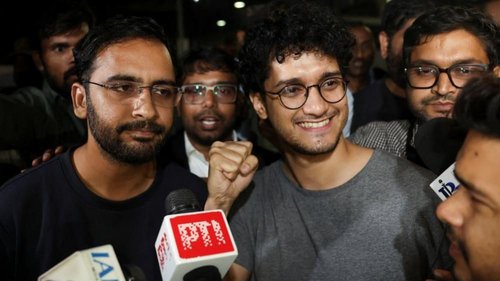
In recent weeks the Cockroach Janta Party protests in Delhi and other cities drew attention when female demonstrators used strong profanity directed at Prime Minister Narendra Modi. Modi called it a ‘culture shock’, a comment that drew fire from opposition leader Rahul Gandhi. Gandhi contended that men too use profanity and that singling out women reveals patriarchal double‑standards. The debate has unfolded on social media, in Parliament and in the public square, raising broader questions about the place of expletives in protest and everyday discourse.
When women protest, do profanity and outrage become harder to swallow?
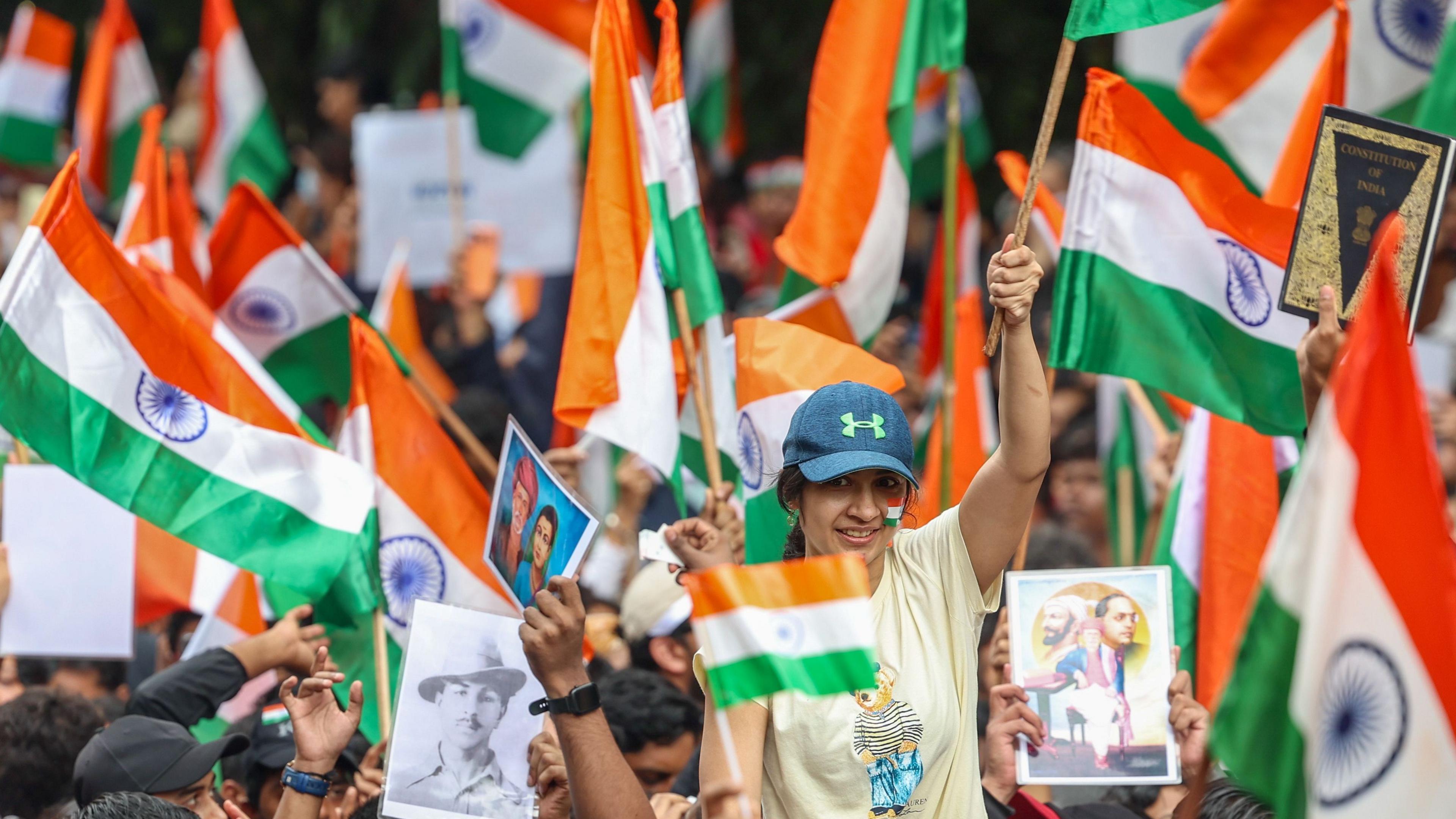
The question surged after footage of female demonstrators in Delhi’s Jantar Mantar and other cities—part of the 35‑day Cockroach Janta Party (CJP) protests—showed them using harsh language aimed at Prime Minister Narendra Modi. Modi called the sight a “culture shock” in a video, claiming he forgave the protestors while admitting the words were “abusive” and “unfit for a civilized society.”
Rahul Gandhi, leader of the opposition Congress party, countered at a student rally in Pune, voicing that men also chant profanity in protests, and that Modi’s focus on women reveals systemic patriarchy. He asked why Modi singled out the gender of the protestors and called for a societal review of the double standards that often surface around female speech.
The debate has spilled onto social media and the courts. A teenager who filmed the protests was later targeted by online trolls with threats that forced her family to relocate. Meanwhile, political figures on all sides—BJP and Congress—have been criticized for using slurs when it suits them, raising questions about the broader cultural tolerance for profanity.
Commentators such as journalist Namita Bhandare point out that women have historically used profanity in festive contexts, suggesting that the perceived shock stems more from patriarchal expectations than from the words themselves. A social activist, Sunil Jalan, argues that the focus should be on the act of swearing, not the gender of those who use it, citing a recent survey that found 55% of participants across India admit to using foul language.
The conversation touches on deeper questions: How much of our public discourse is shaped by a breakdown in respectful dialogue? And what does it mean for democracy if sigils and profanity become so normalized on streets, in parliament, and on television? The ongoing debate promises to shape discussions about the right to protest and the acceptable limits of language in public life.