In brief
Israel’s national election is set to hinge on the votes of Arab Israelis, whose 20% share of the population is now campaigning intensely in Nazareth. A series of polls suggest Netanyahu’s right‑wing bloc and the centrist Change Bloc will struggle to secure an outright majority, opening a potential power shift. Arab parties like the Joint List and the united Arab List are demanding inclusion and policy concessions, while the majority of Jewish parties have officially ruled out coalitions with them. Rising tensions—including post‑war discrimination and gang violence—heighten the stakes for Arab communities, who feel the election could define their future rights and security. The Supreme Court’s recent reversal of disqualification cases underscores the fragile political landscape in the days leading to the vote.
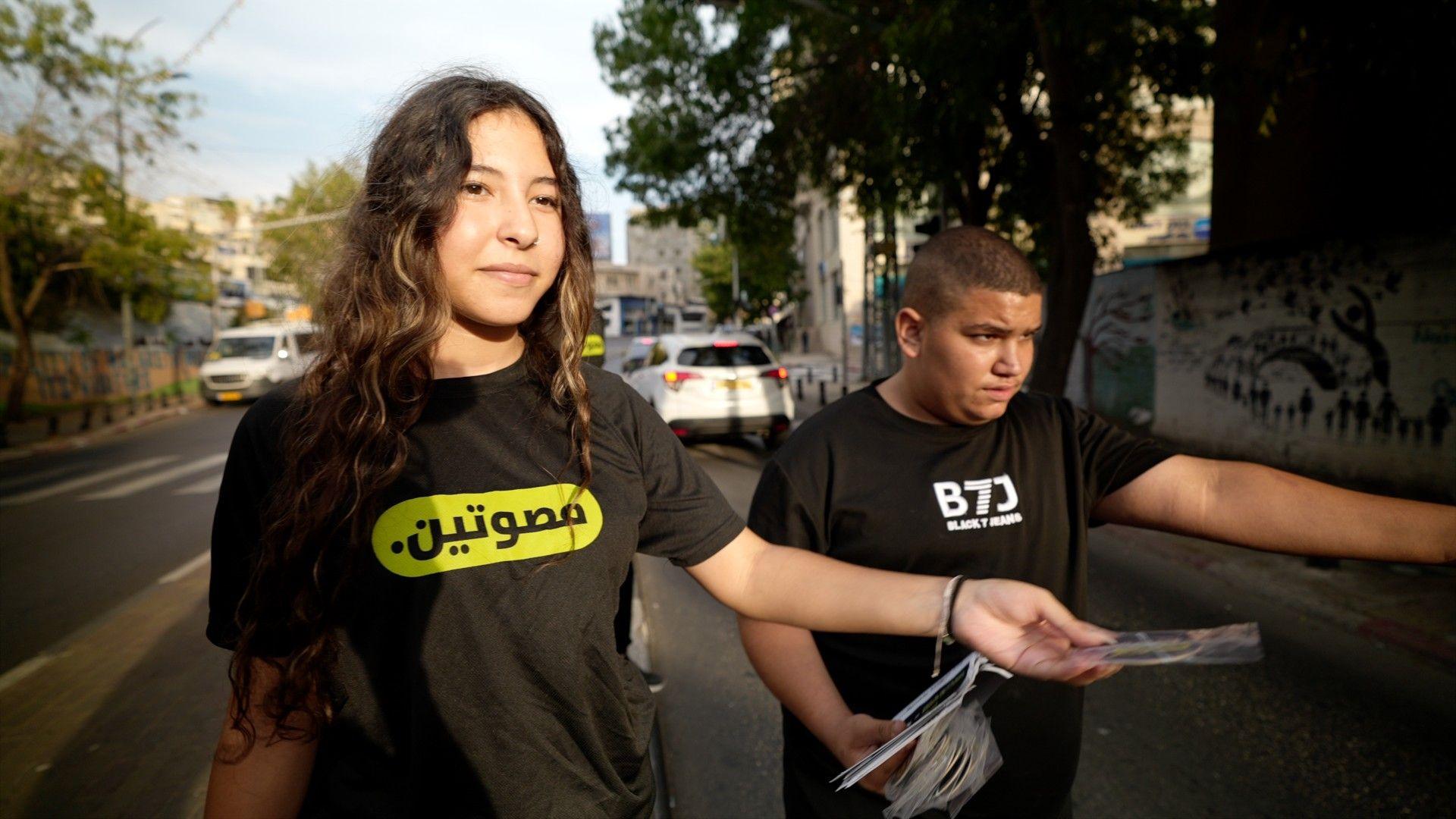
In rush hour in Nazareth, the largest Arab‑majority city in Israel, students hand out leaflets urging Arab Israelis to vote in the upcoming general election. Most polls show neither Netanyahu’s right‑wing bloc nor the centre‑right Change Bloc, led by former military chief Gadi Eisenkot, will easily win a parliamentary majority, leaving a power vacuum that could be filled by Arab parties.
Despite a history of low turnout, Arab voters are mobilising to support parties that represent them rather than larger parties that have long excluded them. “They treat us as second‑class,” says 23‑year‑old student Arkan Badran, “we must vote for our own lists.”
Arab parties – the secular Joint List and the Islamist‑aligned United Arab List – have voiced that they will only join a government in exchange for concrete policy gains, including addressing rampant gang crime that has plagued Arab neighbourhoods. A December poll from the Israel Democracy Institute found that 53.5% of Arab Israelis consider gang violence the most important vote‑driven factor.
While the majority of Jewish parties publicise offers of power sharing, Eisenkot publicly repeated that he will not partner with Arab parties, citing a lack of shared values. The Wall Street Journal notes Ben‑Gvir’s far‑right banner slogans “Right or Palestine” have amplified the rhetoric of exclusion.
The Israeli Supreme Court recently overturned a Central Elections Committee decision that had disqualified the Joint List and United Arab List on the basis that they allegedly deny Israel’s Jewish statehood, a move that averted a potential legal blockade before voting day.
In a city where politics and identity intersect, Arab candidates are positioned recklessly near the very places they vow to protect. Their influence means that the outcome of this election will determine on a balance great enough to shape Arab Israelis’ long‑term status and rights in the country.