In brief
Norway’s Oslo conference promised a trilateral summit, but Kremlin comments in St Petersburg reveal limited progress. Putin’s reluctance, combined with Trump’s easing sanctions, means the war’s end remains uncertain. While experts note future pop‑ups, the conflict lingers in a dead‑end stance.
While the world watched the Oslo conference, where Ukrainian President Volodymyr Zelensky, U.S. President Trump’s envoy and European diplomats met, the expected breakthrough stalled.
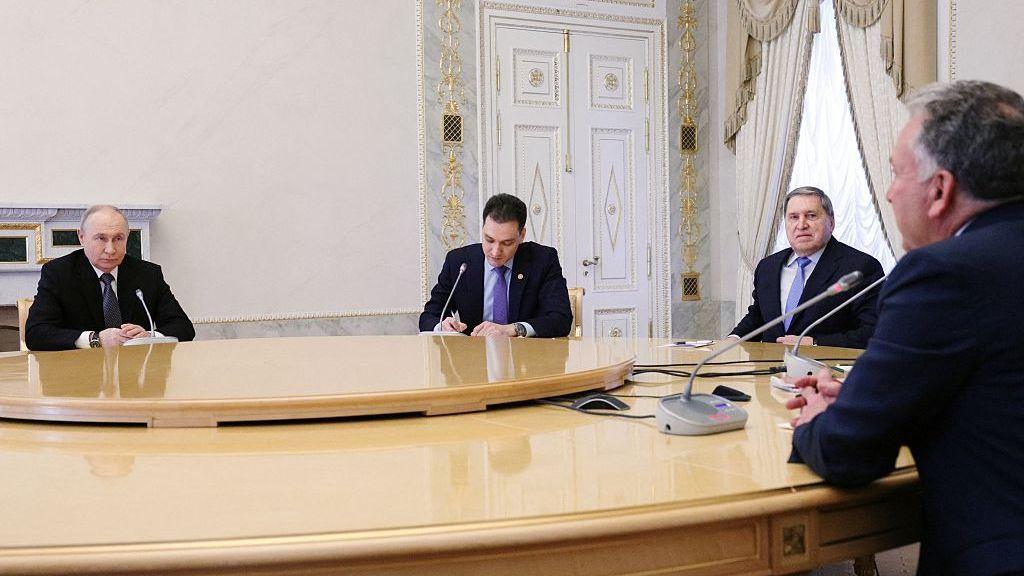
Norway’s Prime Minister described the talks as “good and constructive,” but in the parallel St Petersburg meeting, Kremlin advisor Yuri Ushakov dismissed the proposals as lacking real value when informed by Witkoff.
Ushakov said that the technical elements of a potential summit might resume next month in Abu Dhabi, but “no real progress” is seen because Putin hasn’t felt any pressure to end the war.
The reluctance coincides with President Zelensky’s warning that Russian air‑defence is strained, while winter approaches—conditions that Russia intends to exploit militarily.
On the other side, Trump’s easing of sanctions and a recent agreement to buy Russian diesel hint at a U.S. shift that has comforted Moscow, giving the Kremlin a breathing space.
Experts note that while a definitive U.S.–Russia–Ukraine summit looks distant, power trios may stage smaller gatherings – with reports that a Putin‑Trump‑Xi meeting could take place on the sidelines of a future APEC summit in China.
In a climate where the war has lasted nearly five years, the Kremlin’s willingness to engage in dialogues without concessions keeps the conflict alive, leaving the world adrift in a quest for a resolution that yet feels out of reach.