In brief
On 21 March 1960 the brutal Sharpeville massacre saw police fire on peaceful protestors, killing 69 and leaving survivors with lasting wounds. The 1961 Indemnity Act shielded officers from any legal action, a protection that still lingers in the current statute book. Elderly survivors Abraham Mofokeng and Lazarus Magotsi, joined by NGOs and UK law firm Leigh Day, have filed a High Court case arguing the Act contradicts South Africa’s post‑apartheid constitution and demanding reparations for the community. If the suit succeeds, it could open the door for the first class action against the state and possibly criminal charges against surviving officers. The move comes amid ongoing debates over the legacy of the Truth & Reconciliation Commission and calls for genuine healing of the nation’s wounds.
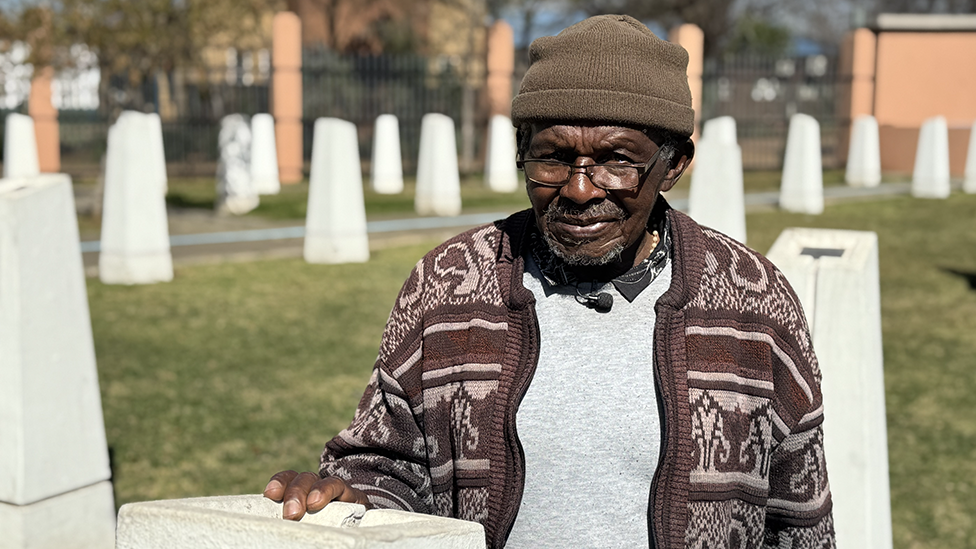
A bullet still lodged in the spine of 86‑year‑old Abraham Mofokeng’s body is a painful reminder of the 1960 Sharpeville massacre, when police opened fire on a peaceful protest in South Africa’s Johannesburg township, killing 69 civilians and leaving thousands injured.
Mofokeng, who once marched in a humble cardigan, now walks with a limp, but he is ready to fight for an outcome that he feels the state has denied for decades. He and other survivors have joined a High Court application launched by Lawyers for Human Rights and the UK‑based firm Leigh Day to strike down the 1961 Indemnity Act, which was enacted by the apartheid government to shield police and officials from criminal or civil liability for the killings.
The lawsuit argues that the Act is unconstitutional under the 1994 Constitution that ended apartheid. If the court sides, it would not only allow a class action—a collective suit that could bring reparations and possibly reopen criminal investigations—but it would also acknowledge, for the first time, that the Sharpeville community’s decades of trauma can be formally addressed.
The Indemnity Act’s legacy has been a point of contention. While the Truth & Reconciliation Commission, chaired by Archbishop Desmond Tutu, granted amnesty to many perpetrators, no police officers applied for amnesty for the Sharpeville shootings, and the law remains in force more than 30 years later.
Proponents of the case say that the old law “cleans up” the statute books and “closes a chapter on the past,” a sentiment echoed by constitutional law expert Professor Frans Viljoen, who stresses that the law’s repetition in the current system perpetuates a form of injustice that prosecutors have ignored.
Mofokeng and others have been offered minimal reparations: a handful of grants through the TRC’s practice, but no definitive path to closure. “Apartheid is dead and buried,” he says, “but here we stand still, grappling with the scars.”
A memorial park in Sharpeville, the Human Rights Precinct, offers a stark visual reminder of the massacre—69 white pillars echo the victims, while nearby cemetery trenches hold the remains of those whose lives were abruptly cut short.
The new legal challenge is a welcome, if late, voice for those who—their names often omitted in history—suffered the violence of the past and now demand acknowledgement and restitution. Whether the court will bring the symbolic fight to a full legal end remains one of the most pressing questions for a country still negotiating the balance between remembrance and reconciliation.