Hong Kong’s Independent Bookshops Closing as Free Voice Shrinks
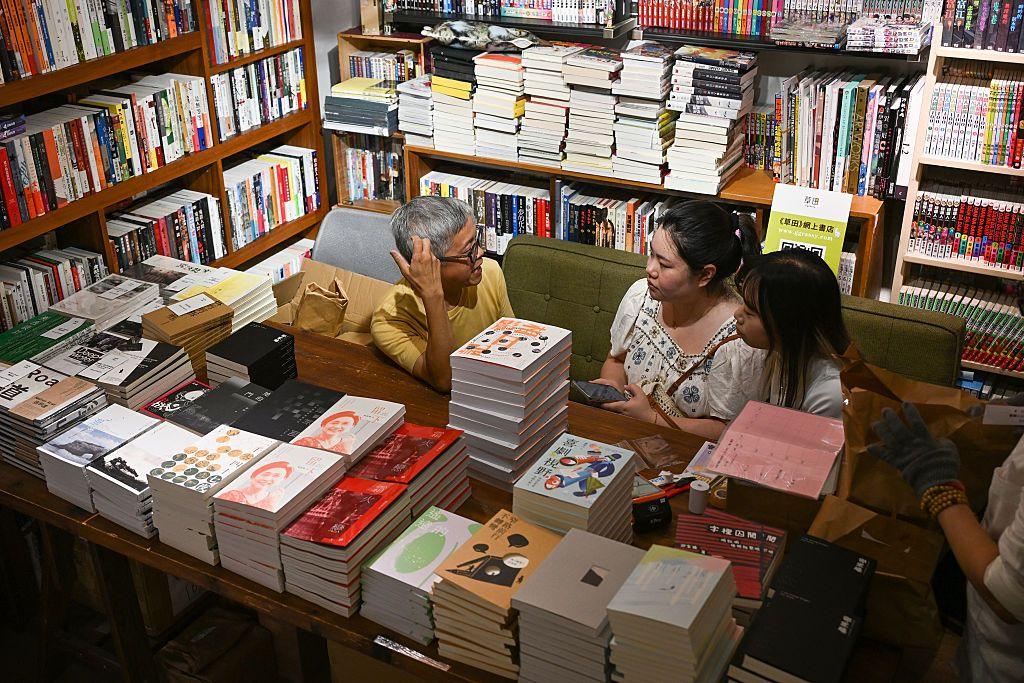
For a handful of mainland Chinese students and curious locals, travelling to a small shop on a Hong Kong street can feel like embarking on a secret mission. They arrive, breathing in the scent of paper, hoping to pick up a book that the mainland’s tightened censorship has barred them from buying in Guangzhou or Shanghai. Those books range from accounts of the 2019 protests to classic allegories like George Orwell’s *Animal Farm* and the ending of *Attack on Titan*.
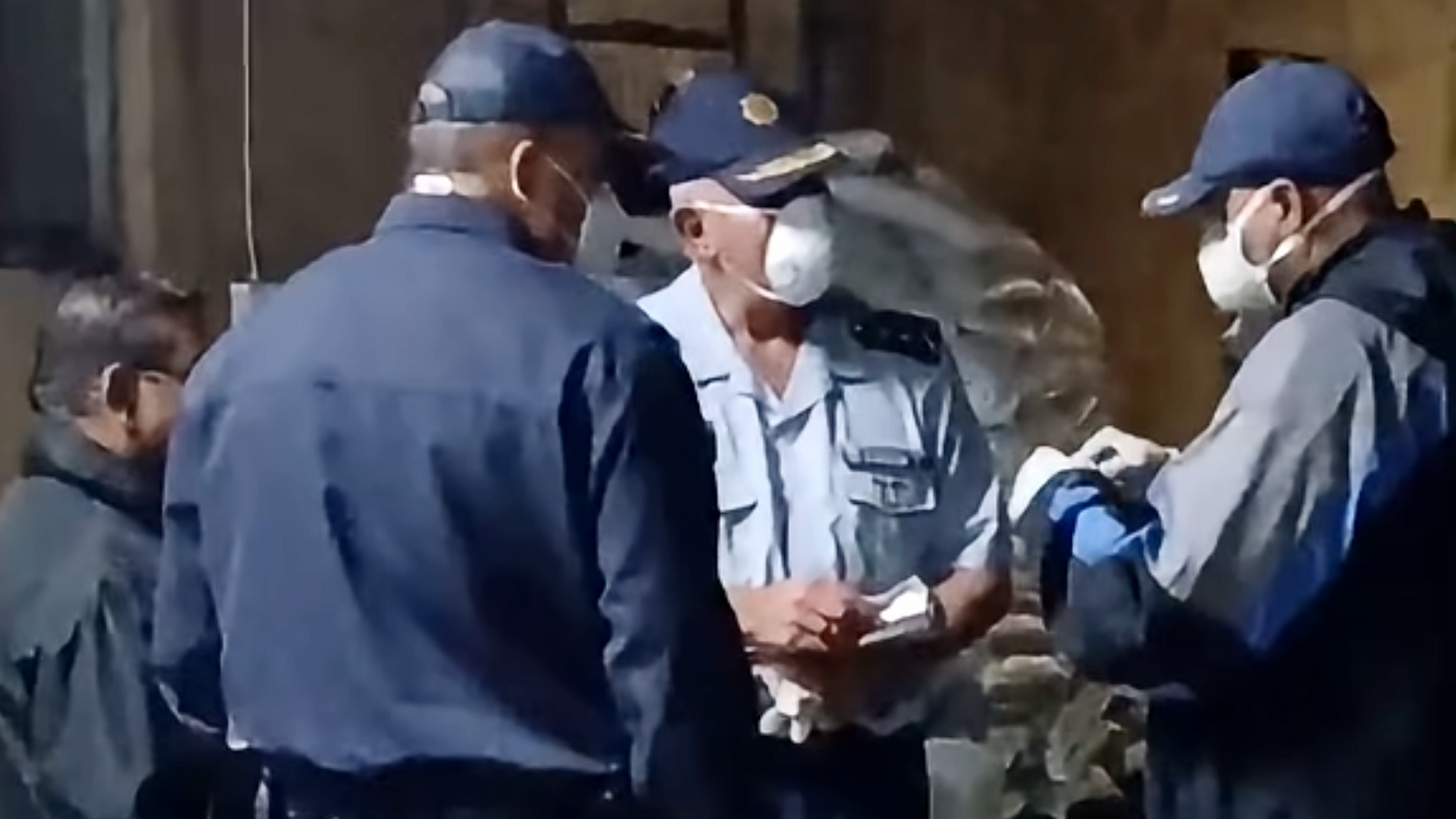
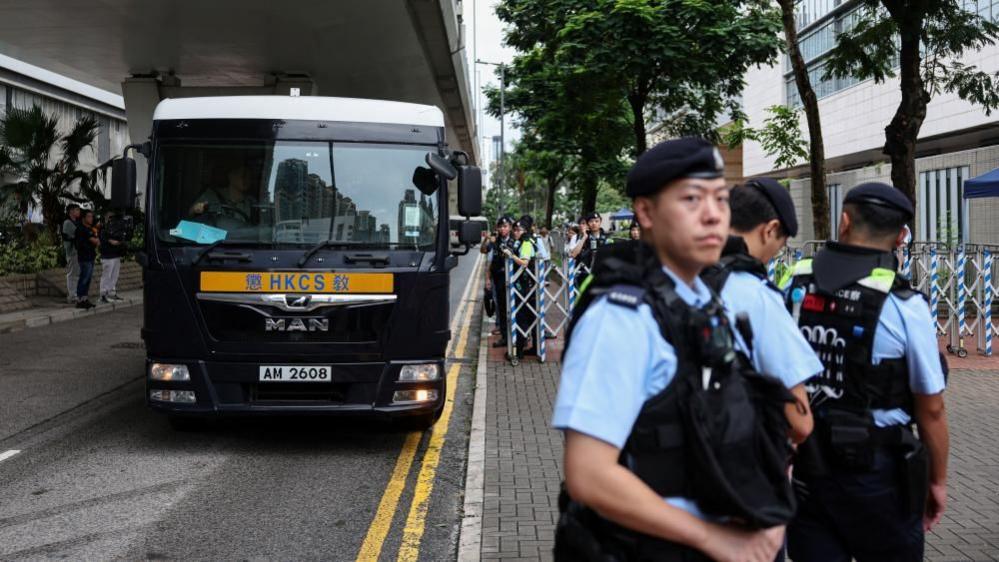
The booksellers – Hunter Bookstore, Greenfield, Elmbook, and Have a Nice Stay, to name a few – have historically been a refuge for readers who hold ideas that Chinese authorities consider taboo. In 2019, new independent shops sprouted across Sham Shui Po and Mong Kok, but the new National Security Law has tightened the net around every one of them. Police raids in late‑June pressured the community: the owner Letitia Wong and another man were detained for alleged sedition and money‑laundering. The same law was used to impound copies of a Jimmy Lai biography and freedom‑oriented titles at other stores.
In the weeks that followed, three more bookstores closed: Greenfield on the day the lease expired, Have a Nice Stay at the end of August. The trend is now punctuated by a looming sense of uncertainty: a bookshop might be forced to close after a police review of its shelves, and mainland readers cannot predict which venues will still exist when they cross the border in months to come.
Chen Zhu, a 23‑year‑old from Guangzhou, recounts the emotional moment when police entered the shop during an evening event. “We just sat there listening,” she says, echoing the presence of government officials in a space that once thrummed with debate. The tension is not limited to Hong Kong. A bookseller from Guangzhou says that police visit his shop unexpectedly, and the city’s culture of discussion has been markedly reduced since 2015.
While the authorities claim the security law protects stability, many argue it has suffocated free expression. The bookshops still persist in a fragile form: they are available for purchase, and the readers, long accustomed to silent “quiet resistance,” keep buying them. Yet the ecosystem is collapsing, and the campus of a more open Hong Kong is uncertain.
The crackdown extends beyond public shelves. Mainland readers now cross the border armed with busier crossings, carefully hiding books or transporting them in cargo bags. The risk of confiscation, and even the feeling that their freedom of information is in danger, create a chilling effect. Even stores that previously refused to host overt political events are now suspect, as the line between safe shopkeeping and political affiliation blurs.
As the situation evolves, the books remain: the story of 1989’s chaos, protest literature, and the narrative of resistance remain accessible in the physical shelves of the last few shops, but the cost of knowledge and the price of freedom is hard to gauge. Whether independent readers will continue to visit these stores – or whether the streets will become silent without them – is as uncertain as the future of free speech itself.