In brief
Court premises in Lusaka and other Zambian cities have been sealed off with police barring access as the deadline for filing a petition against the August 13 presidential election approaches. Opposition leader Brian Mundubile, who secured 38% of the vote, plans to challenge the result on grounds of irregularities amid threats and attacks on opposition figures. Incumbent Hakainde Hichilema won 60% and will be inaugurated on September 1, but a favourable petition could alter that outcome. The Law Association of Zambia and other opposition voices criticize the closures as attempts to block legal remedies, while the judiciary has offered no official explanation for the restrictions.
Court premises in Zambia’s capital Lusaka and other locations have been sealed off, with police mounting unusually heavy presence and venues taped off to prevent entry as the deadline for filing a petition against the recent presidential election approaches.
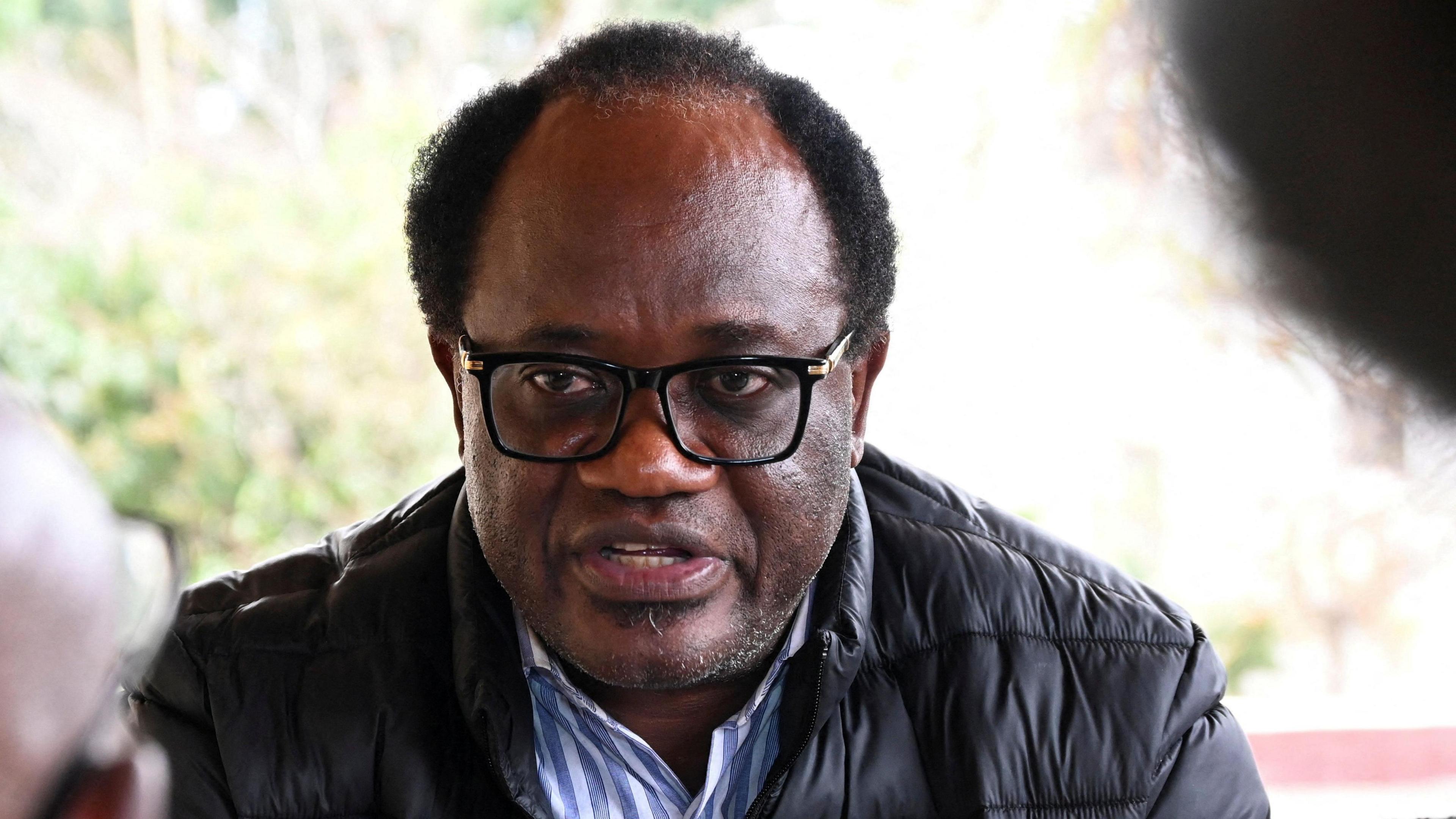
Opposition leader Brian Mundubile, who received 38% of the vote in the August 13 poll, has announced plans to challenge the result on grounds of irregularities. He reportedly remains in hiding amid alleged threats and after post‑election security raids that saw the death of opposition defector Mutotwe Kafwaya.
Incumbent Hakainde Hichilema secured a 60% majority and will be inaugurated on September 1, but a successful petition could overturn his victory.
Lawyers arriving at the courts were ordered to leave; one reported encountering armed men who demanded he stay away. The closures cover the High Court, Supreme Court, and several local courts, with no official explanation offered for the extent or duration of the restrictions.
The Law Association of Zambia and other opposition voices have criticized the closures as an attempt to stifle judicial independence, calling for an independent investigation into the actions surrounding the judiciary’s conduct.
While preparations for Hichilema’s inauguration continue, including a media inspection of the National Heroes Stadium, security forces remain a prominent presence in the capital.
International observers noted that although the election was largely peaceful, restrictions on opposition activity, military intimidation at tallying sites, and the lack of transparent polling‑station results raised serious concerns over the fairness and integrity of the process.