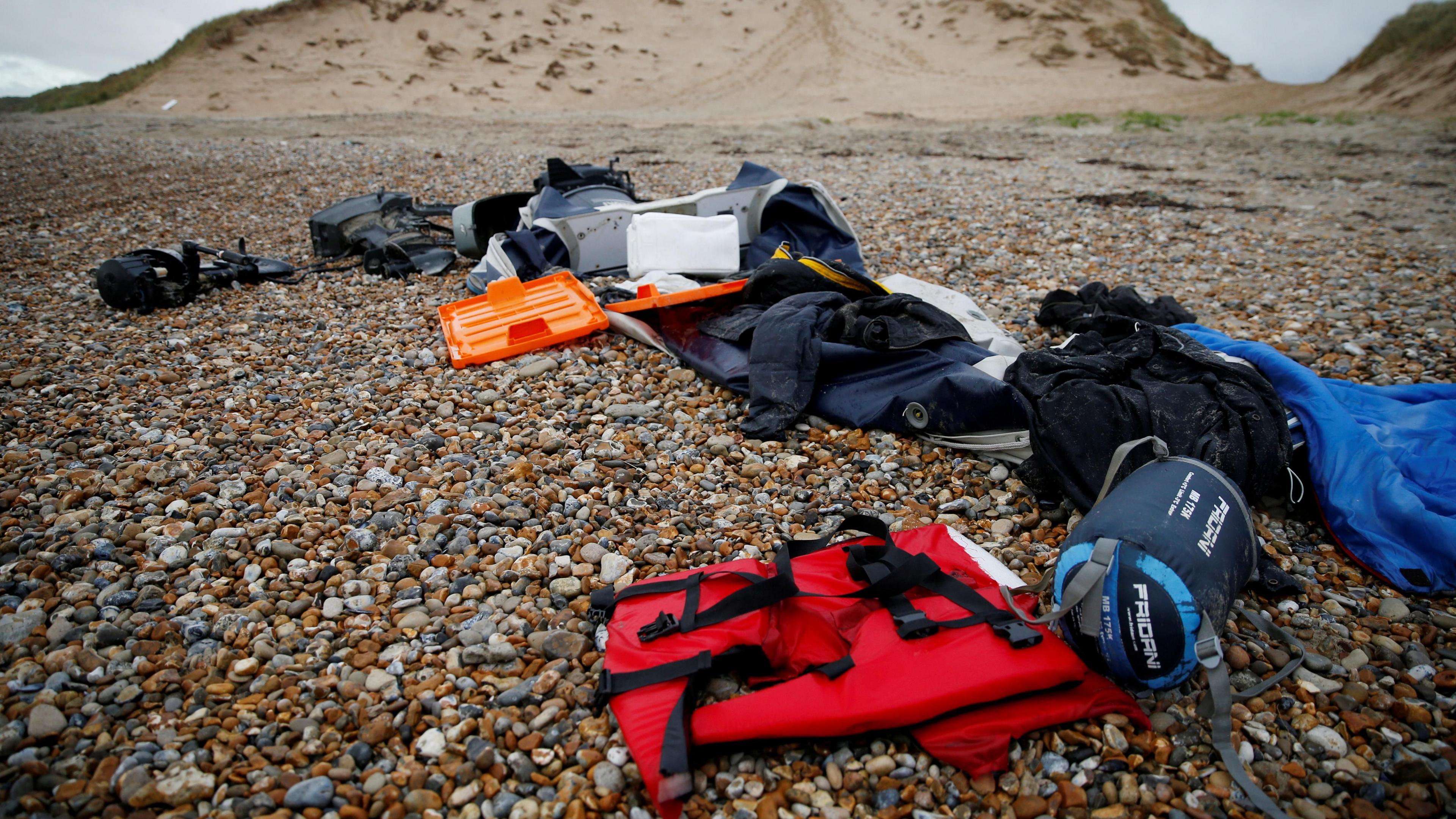
In Paris, a courtroom hums with tension as fourteen alleged smugglers await judgment for their role in an English Channel disaster that killed 30 people in November 2021.
The accused—primarily Afghan nationals—were charged with manslaughter and assisting illegal immigration. Authorities contend they supplied a motorized dinghy that was poorly built, overloaded, and lacking adequate life‑jackets.
Only two survivors escaped, while the rest perished in the cold waters as the boat began to take on water.
Many of the defendants insist they were migrants themselves, claiming they were compelled to act under orders from the real organizers, but most deny the charges.
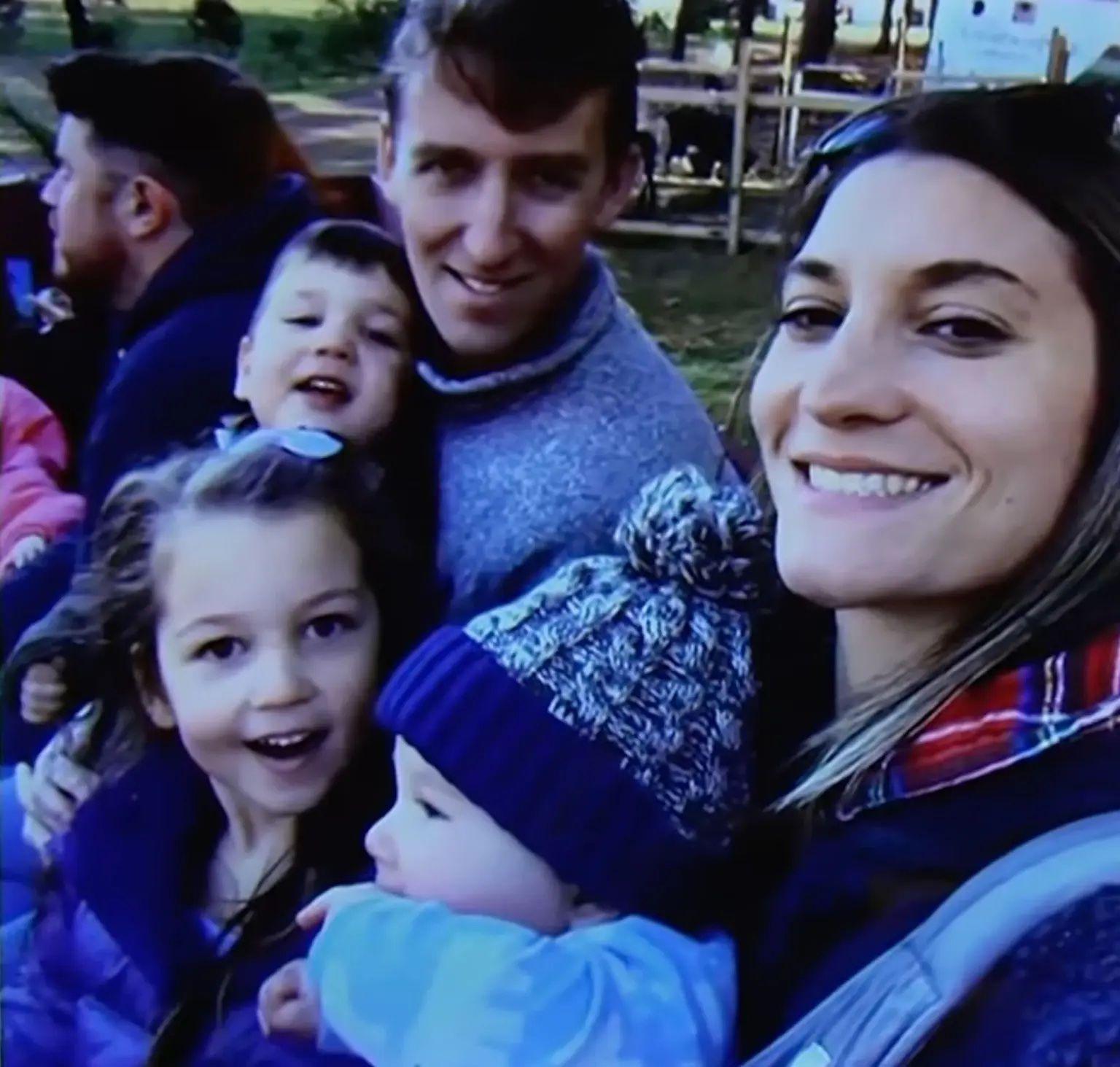
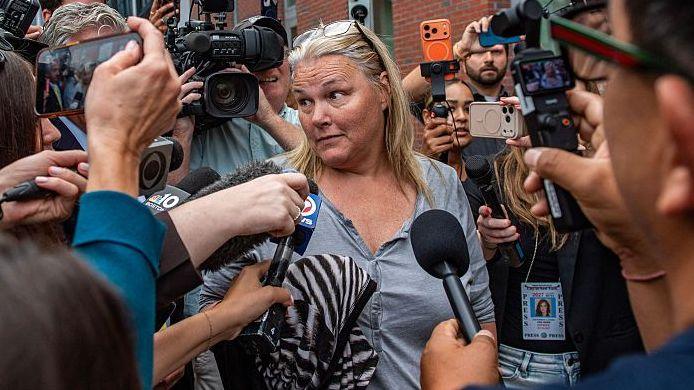
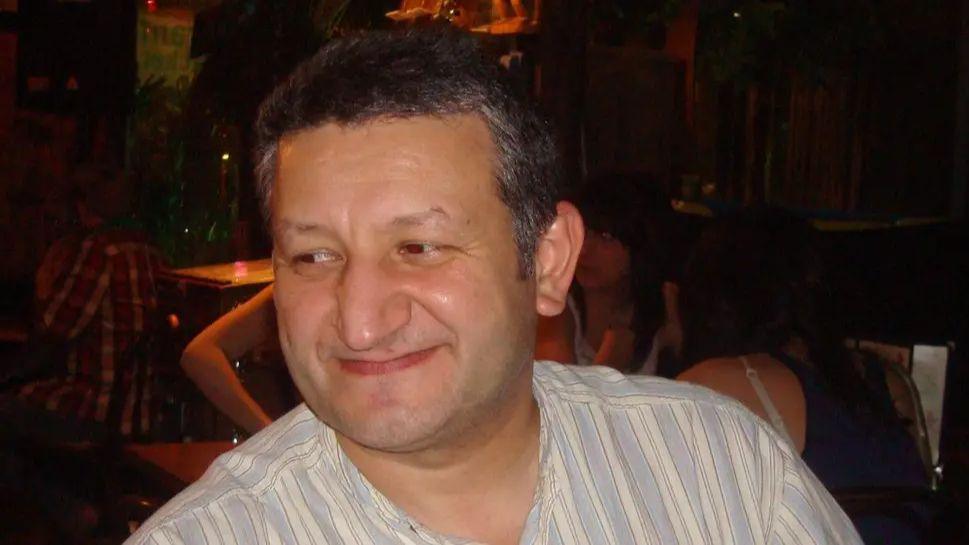
Family members, some having come to Paris for the trial, say that the smugglers “displayed total cynicism” and that migrants are not suited to risky sea crossings.
Meanwhile, investigative inquiries are underway in both France and the United Kingdom. Five French military personnel and a navy boat crew face possible charges for failing to assist the distressed vessel. A UK inquiry highlighted staffing shortages among the Coastguard and questioned the decision not to deploy a surveillance aircraft under adverse weather conditions.
The trial is expected to last three weeks, with some defendants still on the run and set to be tried in absentia. The outcome could set a precedent for handling future maritime smuggling cases and may prompt reforms in rescue operations across the Channel.