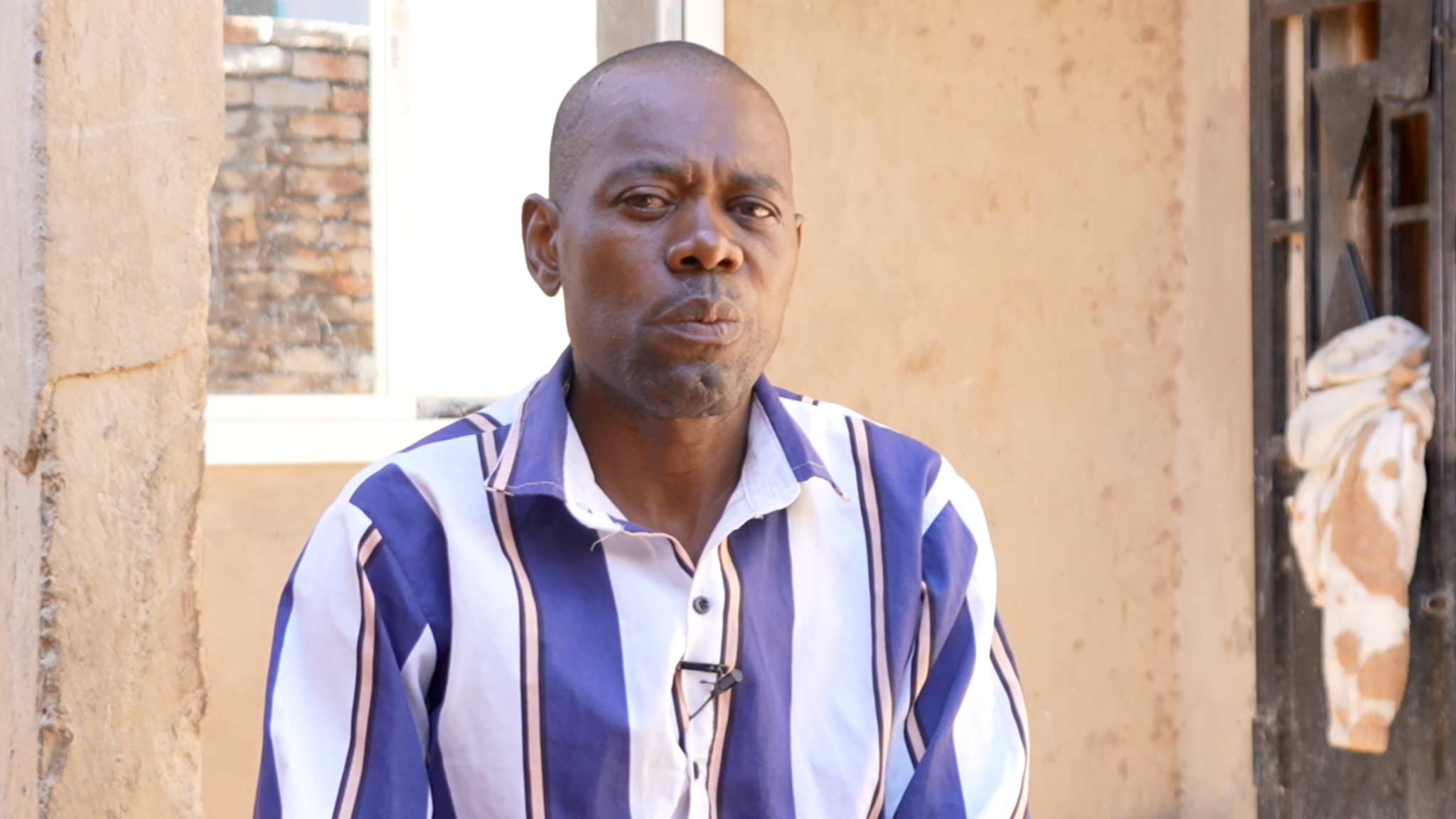
For nine years Ndaikech Ali has navigated Nairobi’s traffic as a tuk‑tuk driver, and before last week he said the city’s people were warm and welcoming. The mood changed overnight when President William Ruto declared that foreign nationals running small‑scale businesses had until 7 September to leave the country. Ndaikech has received threats from strangers, even children, saying it feels like “a dog has been set loose upon us.”
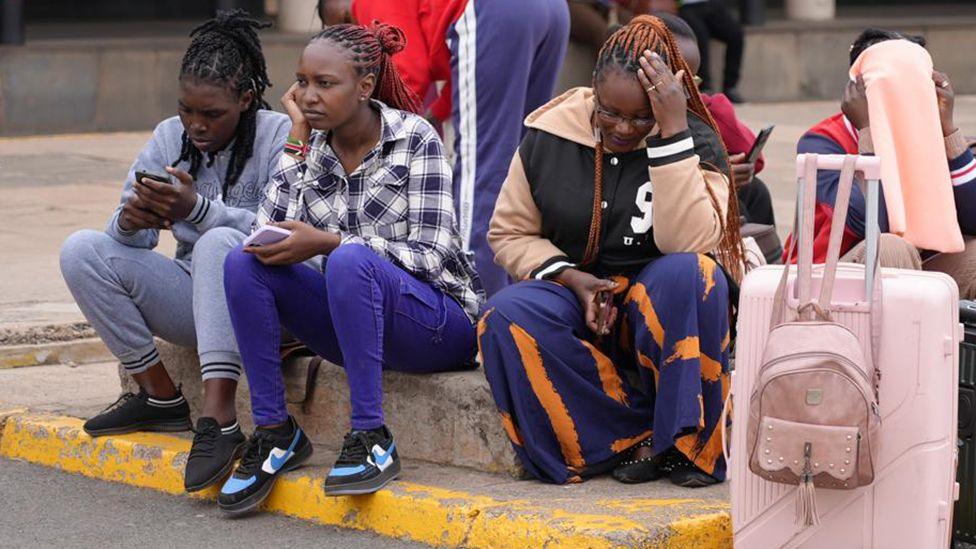
Ruto’s remarks, made at State House, called for a “90‑day” window for undocumented foreign traders to register under a new directive that aims to reserve petty trade for Kenyans. The order has sent men, women and families from Burundi and other neighbouring countries to the embassy in Nairobi, where many stand in long queues for the travel documents that will allow them to return home.
Some couples fear being forced apart, with children left behind. One Burundian man, who called himself Prosper, said he had been in Kenya since 2019 and that the directive left him “no choice, just to leave my family.” In Majengo, Nairobi, Grace Wamaitha said her Burundian husband had already left after the directive, and she now struggled to feed five children, washing clothes to make ends meet.
Observers say Rwanda’s foreign affairs minister warned of “hate speech against Burundi” and that the decree could have diplomatic ramifications for Kenyans abroad. Kenyan foreign affairs official Korir Sing’Oei visited the embassy to apologise to Burundian nationals and assure them of protection from violence.
Critics view Ruto’s speech as a populist move that could inflame xenophobia. While the government denied incitement, former academic Hesbon Owilla said the comments were likely misinterpreted by undocumented workers. He urged clearer language in future policy announcements, noting that “we are not kicking these guys out” but rather “protecting jobs for Kenyans.”
Some foreign investors say the new rule is too broad. Economist Odhiambo Ramogi pointed out that Kenya hosts hundreds of thousands of refugees, many from the East African Community, and that abrupt exclusion could stifle competition and economic growth.
Kenya’s economy has yet to gain from the policy. Ramogi said the country earned $56 million (£41 million) in exports to Burundi last year and that “locking out aliens simply means no competitive economy.”
The directive has already caused a wave of protests. Ungarised traders, Eritreans and Ethiopians closed shops over the last week as a precaution. Some have already fled to border crossings, where claims that they will be stranded have turned into a panic spike.