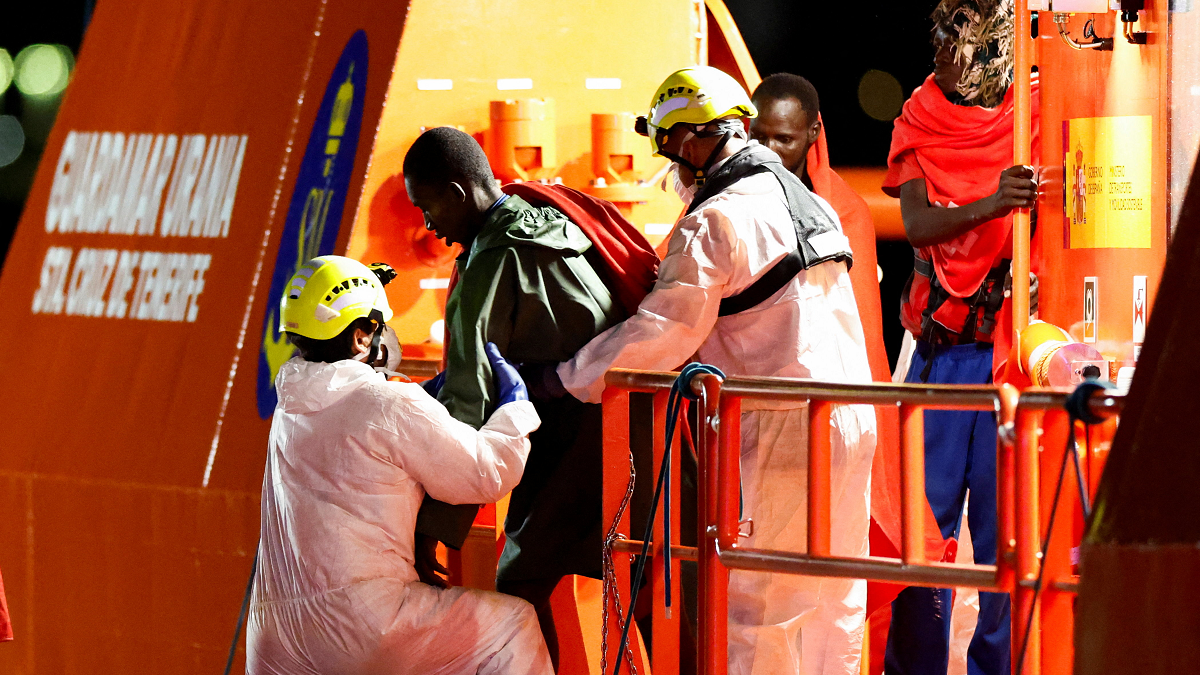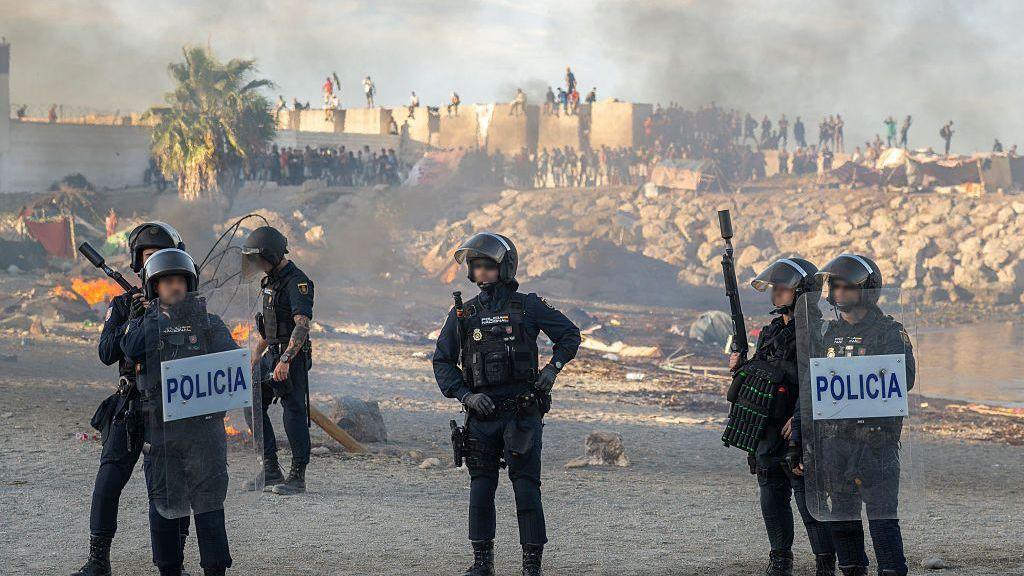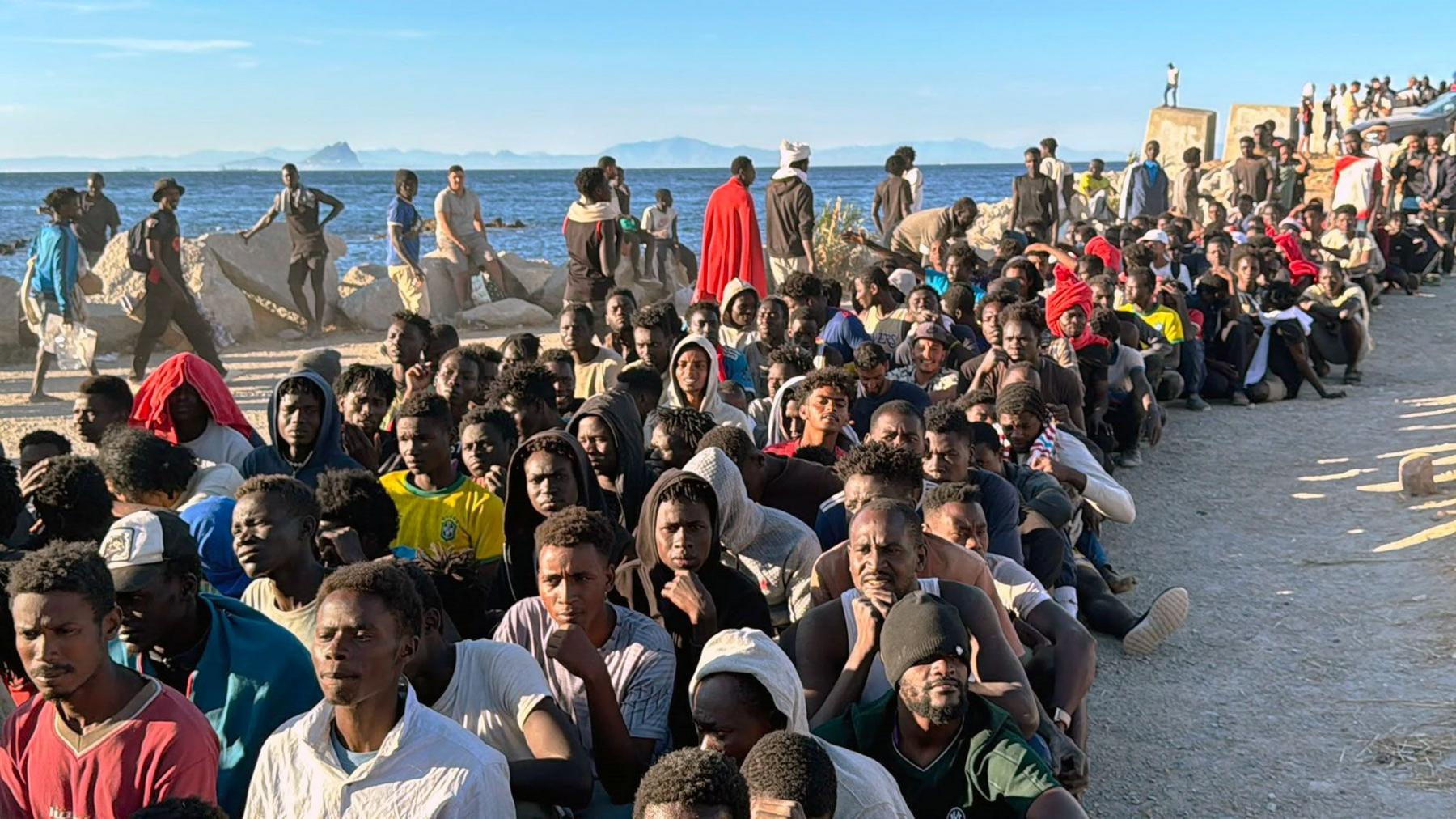
The European Union has hailed Spain for its rapid response to a sudden surge of migrants in Ceuta. Between July 30 and 31, Madrid counted around 72,000 people crossing the border from Morocco into its North‑African enclave, a figure that later saw about 70,000 refugees repatriated, according to Interior Minister Fernando Grande‑Marlaska.
Despite a death toll that reached 86, with 75 fatalities on the Spanish side, the EU praised Spain’s coordination with Moroccan counterparts to mitigate further breaches and to offer assistance on the ground. Irish Justice Minister Jim O’Callaghan, chair of the meeting, stressed that migration demands a united European response and confirmed Spain’s solidarity.
Prior to the EU assembly, some member states—most notably Italy—expressed alarm at the situation, describing images from Ceuta as “shocking” and temporarily suspending its Schengen cooperation with Spain. The measures, however, affect flights rather than land borders, since Ceuta and Spain do not share a terrestrial frontier. The suspension remains symbolic, effectively imposing additional checks for passengers entering Spain via air.
Spanish officials defended the actions and underlined that Ceuta is outside the Schengen border, enabling Spain to control the situation without breaching the agreement. Interior Minister Grande‑Marlaska also highlighted that migrant rights were being upheld, especially for minors, as the government allocated €25‑million to support unaccompanied children and other vulnerable groups.
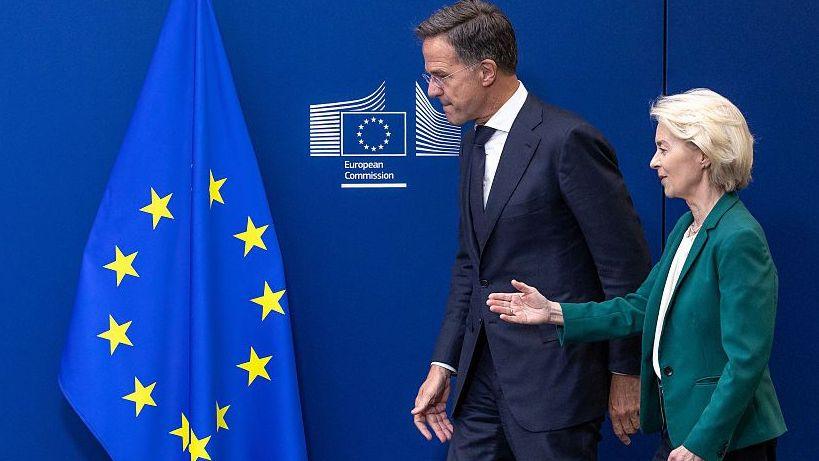
EU Commissioner Magnus Brunner framed the incident as a “test” of European border resilience, concluding that the political and operational response had satisfied expectations. He also noted that the EU offered emergency funding to strengthen Spain’s borders and crisis management.
Investigations suggest that criminal networks and social‑media misinformation may have fueled the swift mass crossing, with some migrants, such as a 23‑year‑old Ayoub from Casablanca, describing the journey as a result of online hype. The Supreme Court ruling that prevented the summarily return of migrants who landed at sea into Ceuta added a legal dimension to the socio‑political debate.
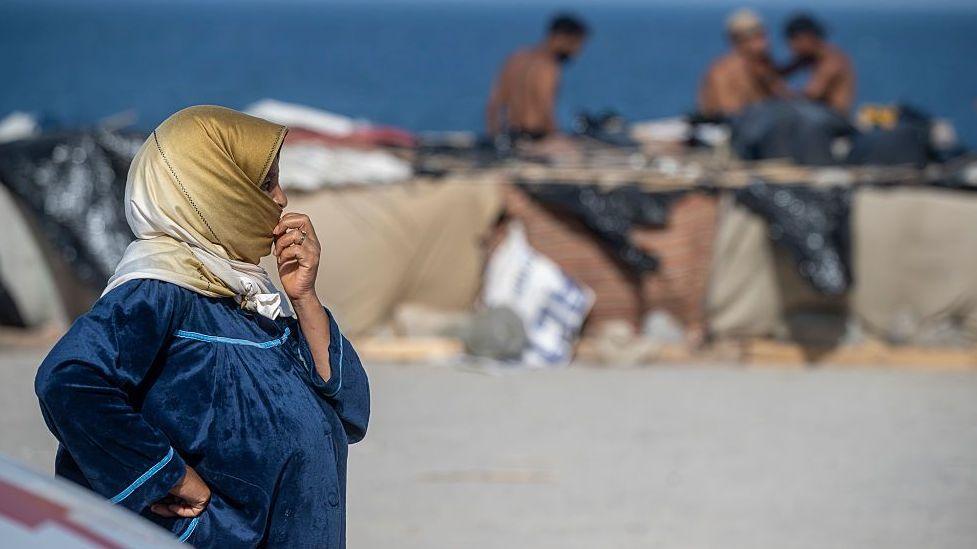
Meanwhile, the human‑element story continues: hundreds of stranded migrants remain on Ceuta’s beaches, some sleeping in makeshift tents while others await aid. Blocks of hungry refugees have been helped by Red Cross teams on August 1, delivering food and water to those in need.
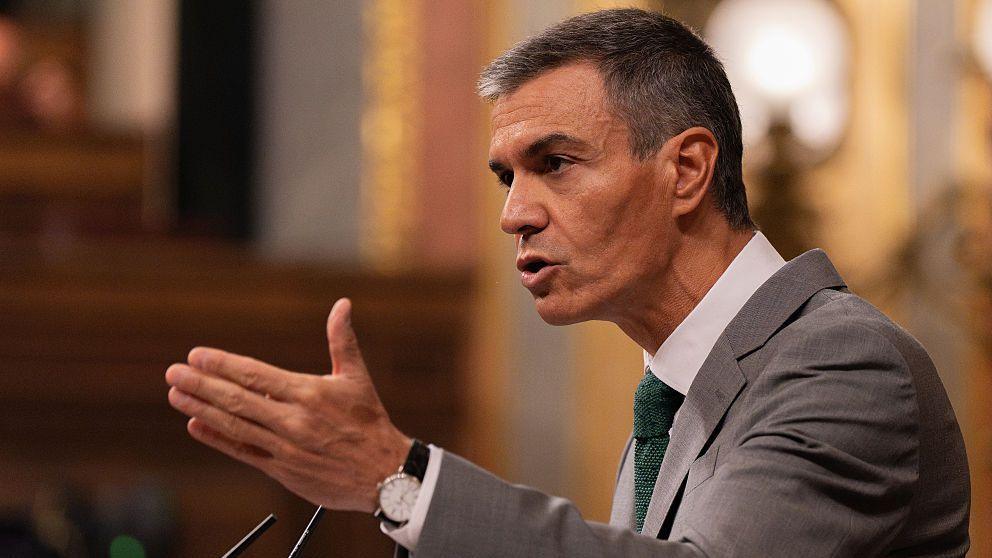
Spain’s Prime Minister Pedro Sánchez, in response to EU criticism, labeled the attack against Madrid “driven by prejudice, fake news or political interest.” Regardless, the EU maintains that Spain’s stance was justified, and it urges a balanced approach that keeps borders safe without compromising humanitarian obligations.