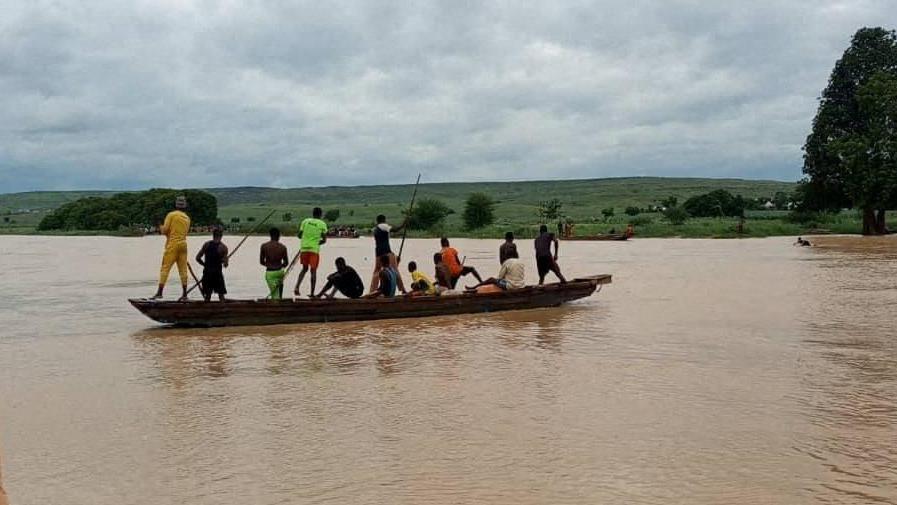
Germany has carried out its first raids under a new smuggling law, targeting a warehouse full of life jackets, dinghies and engines that could ferry migrants across the English Channel.
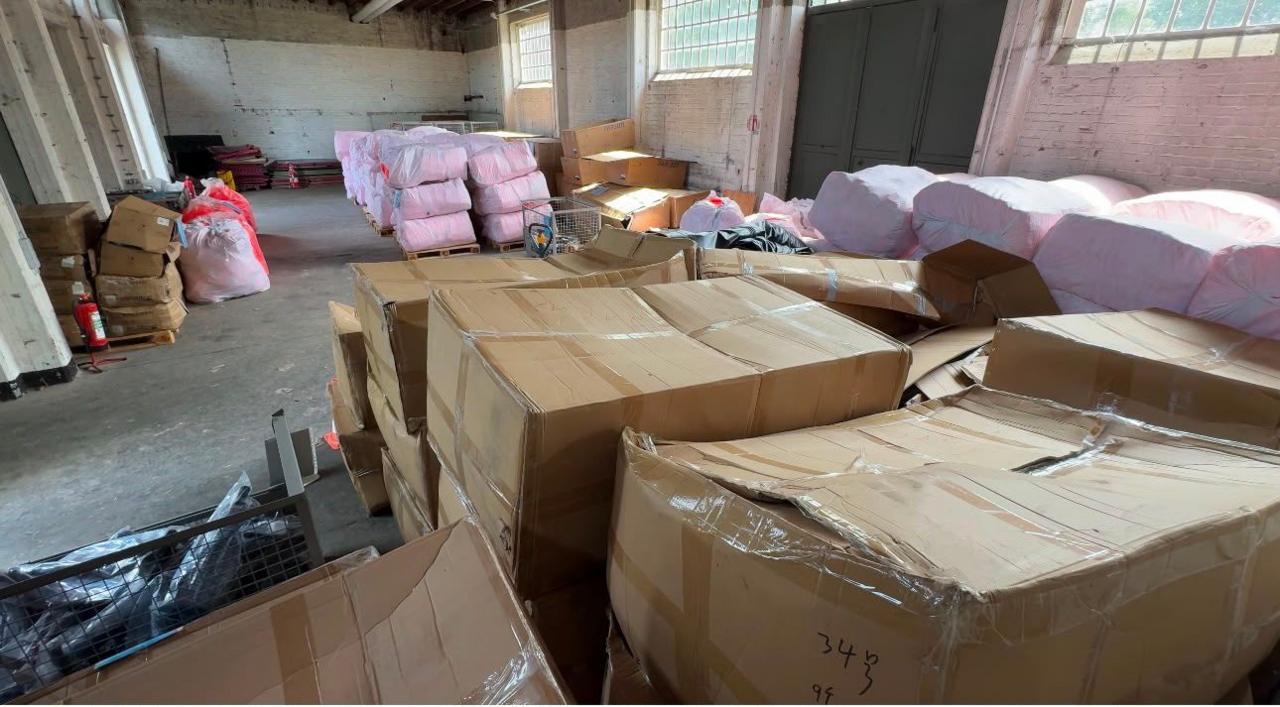
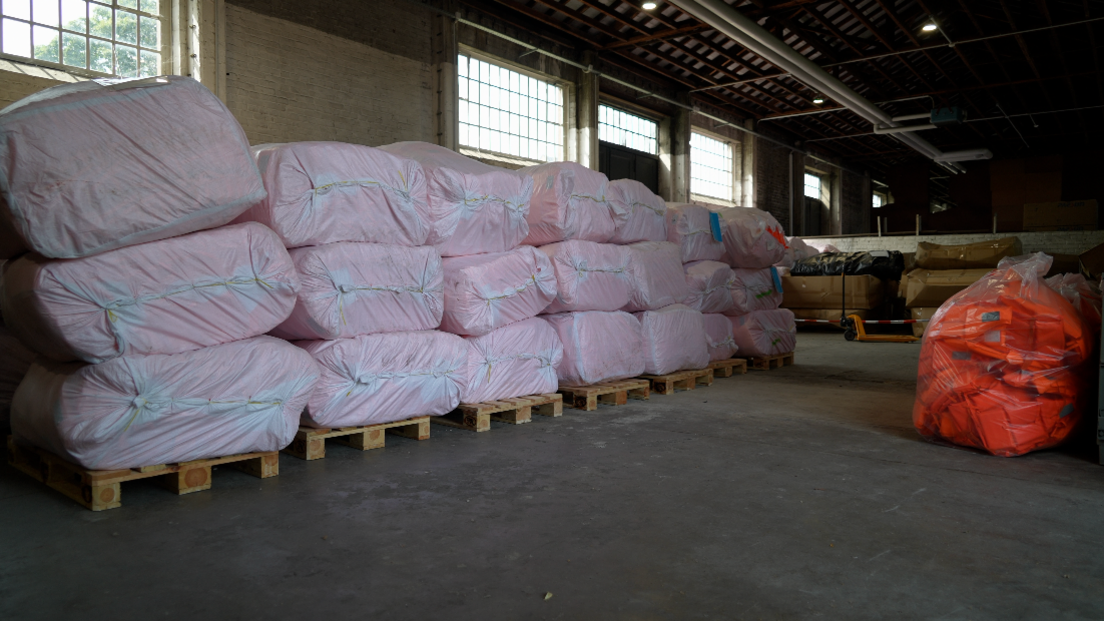
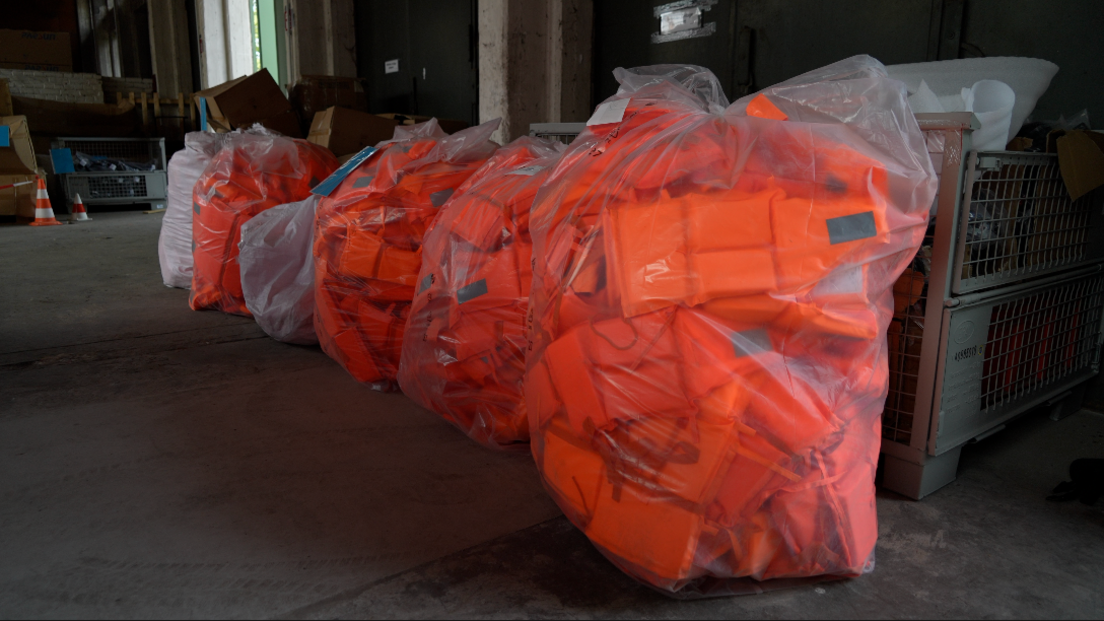
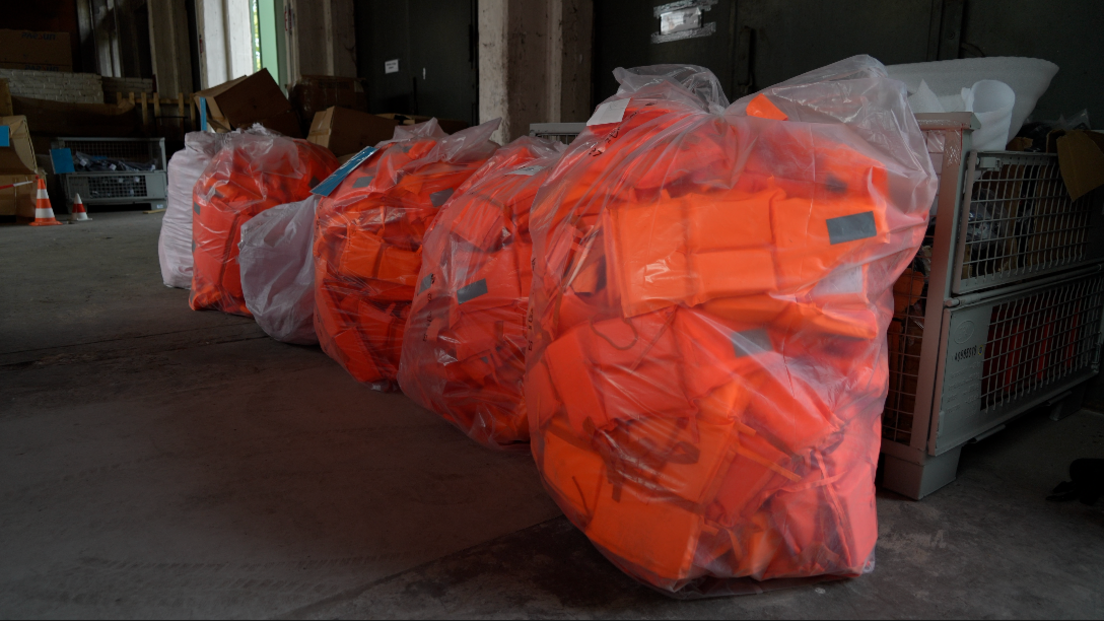
Police seized more than 9,000 bright orange life jackets, dozens of inflatable dinghies, engines and 360 pumps during a joint spring operation involving the UK, France and Germany in North Rhine‑Westphalia.
The equipment, now stored in a secret facility that the BBC was granted access to, could have moved over 2,000 migrants in a single trip—about 65 people per dinghy.
Gangs have long used German warehouses to stash small‑boat gear before transport to northern France. Berlin’s December law makes it a criminal offence to facilitate smuggling to the UK, aiming to close the loophole that had existed post‑Brexit.
German Interior Ministry said these raids marked the first enforcement under the new provision, though it has yet to see other cases.
Oxford’s Migration Observatory notes the emergence of “mega dinghies” may be a response to increased enforcement, encouraging smugglers to cram as many people as possible into available boats.
The life jackets are minute, wrapped in plastic and filled with foam—far from sufficient for the unpredictable waters of the Channel.
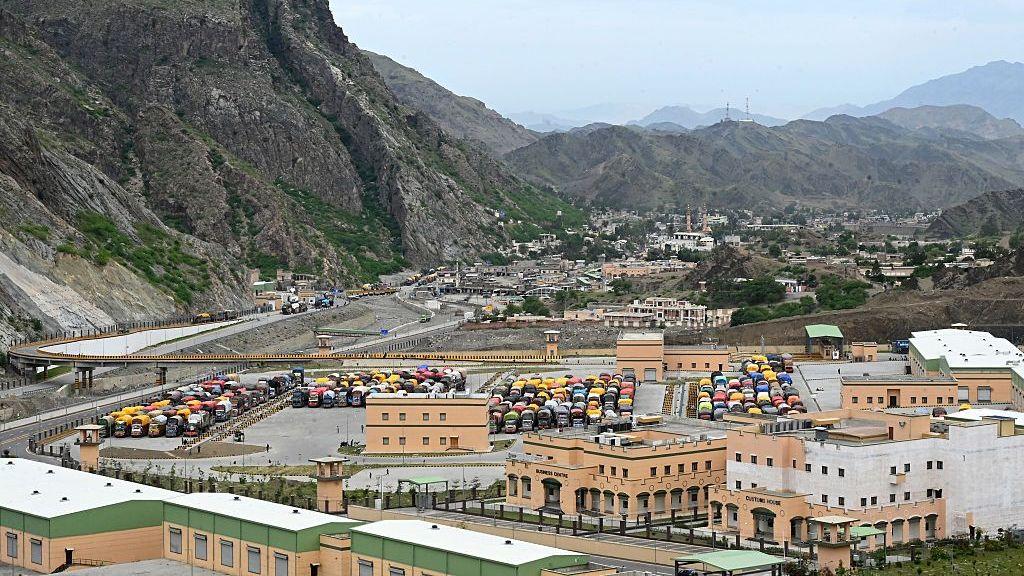
Much of the equipment is produced in China, then shipped through Turkey to Europe.
A recent customs raid at a Turkish‑Bulgarian border found 20 undeclared inflatable dinghies hidden in a truck headed for Germany.
British investigators believe Kurdish criminal networks dominate the small‑boat trade in western Germany, a hub for migrants because of its proximity to heavily patrolled French beaches.
Lawyer Bernhard Schmeilzl says the amendment may lead German police to investigate suspicious activity directly, even though the legal regime before Brexit was unchanged.
According to the UK Home Office, coordinated law‑enforcement efforts have cut Channel crossings by roughly 43 % year‑to‑date compared with the previous year. Opposition voices attribute the decline mainly to harsh weather conditions.