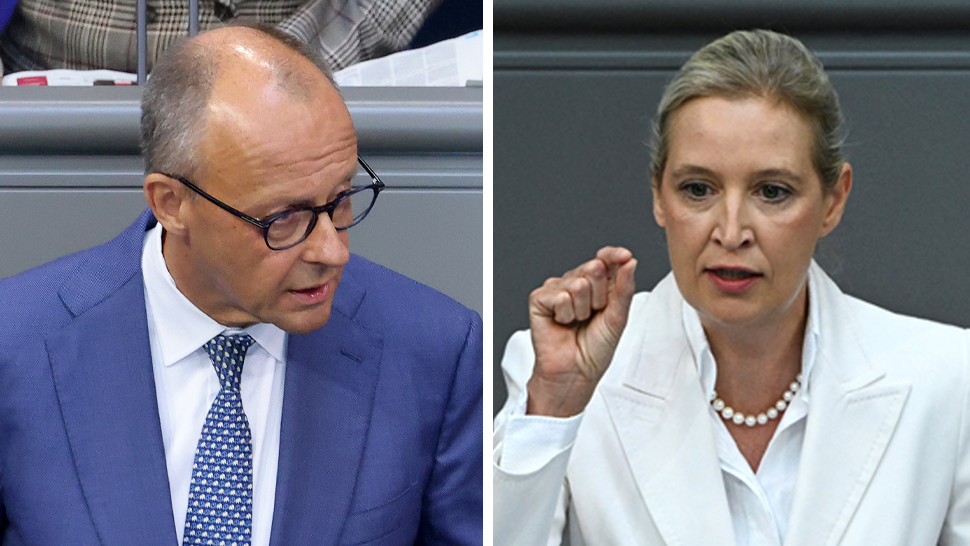
Germany’s Chancellor Friedrich Merz took aim at far‑right Alternative for Germany (AfD) leader Alice Weidel during a turbulent Bundestag session, labeling her party a "destructive force".
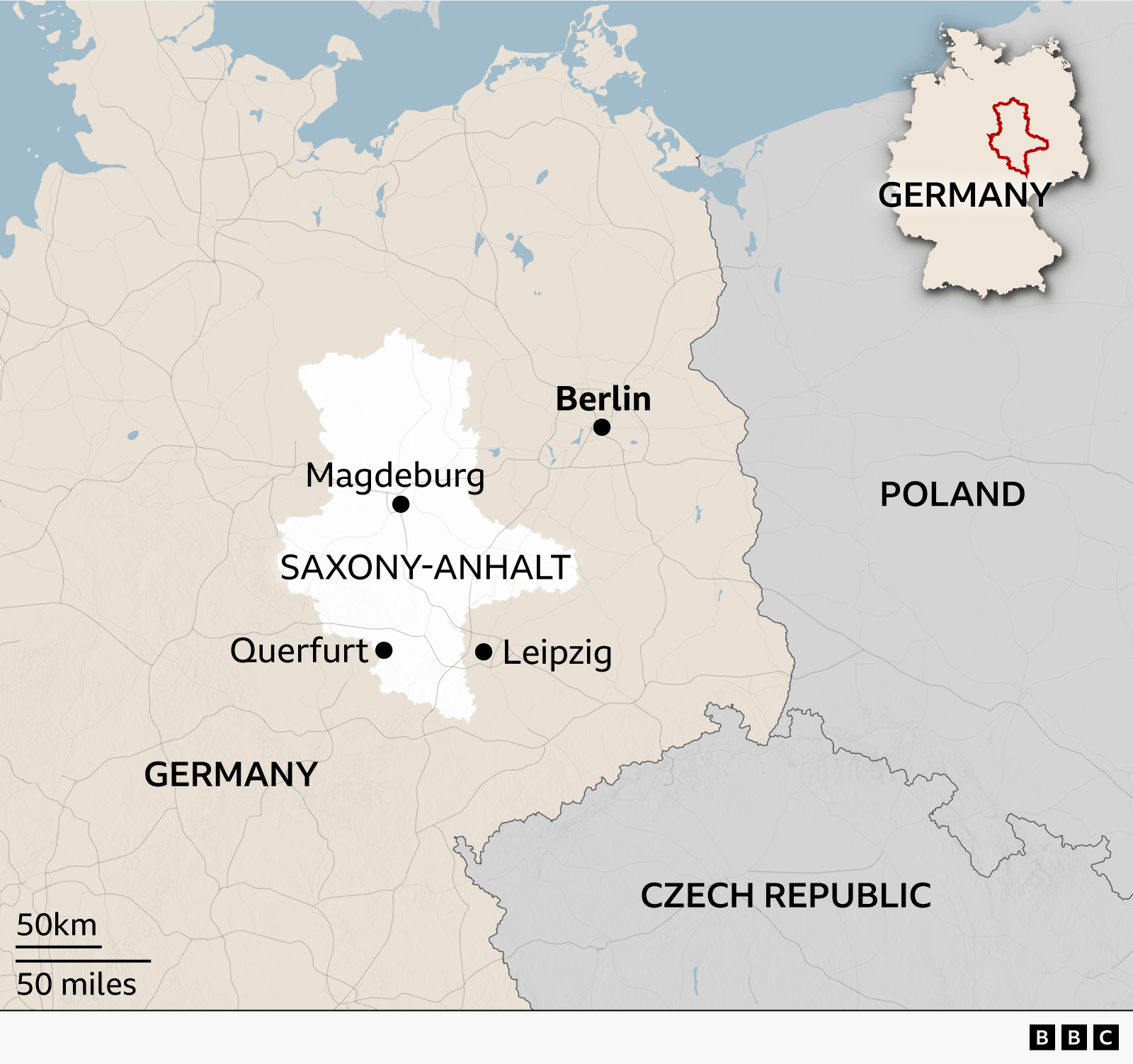
The debate erupted after AfD’s 44% victory in the eastern state of Saxony‑Anhalt, where the party won almost 44% of the vote, leaving the governing CDU/CSU coalition with its vote share halved.
Merz accused Weidel’s party of backing Russia and of pursuing a "remigration" policy that he said would amount to "ethnic cleansing" of skilled workers, warning that such measures would unleash chaos in hospitals, restaurants and care homes.
Weidel counter‑attacked, contending that the coalition’s performance had failed and that her party’s results forced a change of leadership in Germany.
The episode marked a historic moment: no far‑right party has governed a German state since World War II, and Merz said the result would "change Germany".
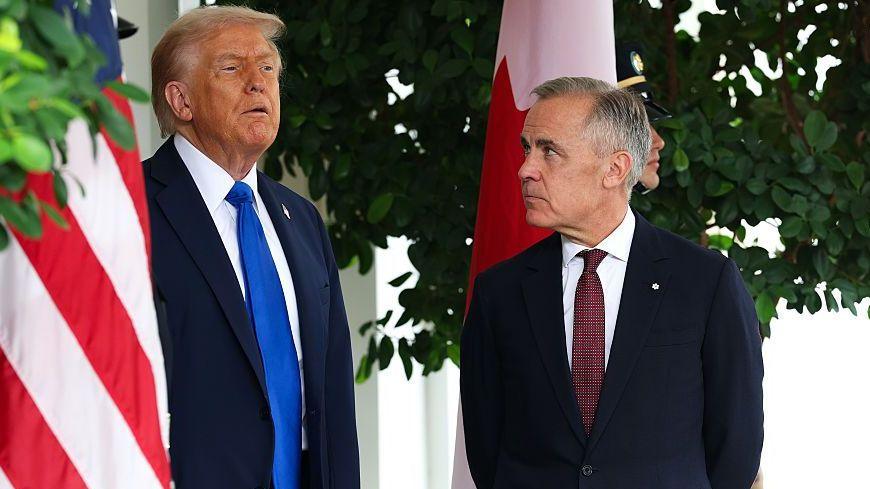
International reaction spilled over, with U.S. President Donald Trump praising AfD’s victory as a triumph for voters who rejected "horrible immigration rules", while German domestic intelligence has labelled the party as “right‑wing extremist” and warned of a potential parliamentary crisis.