In brief
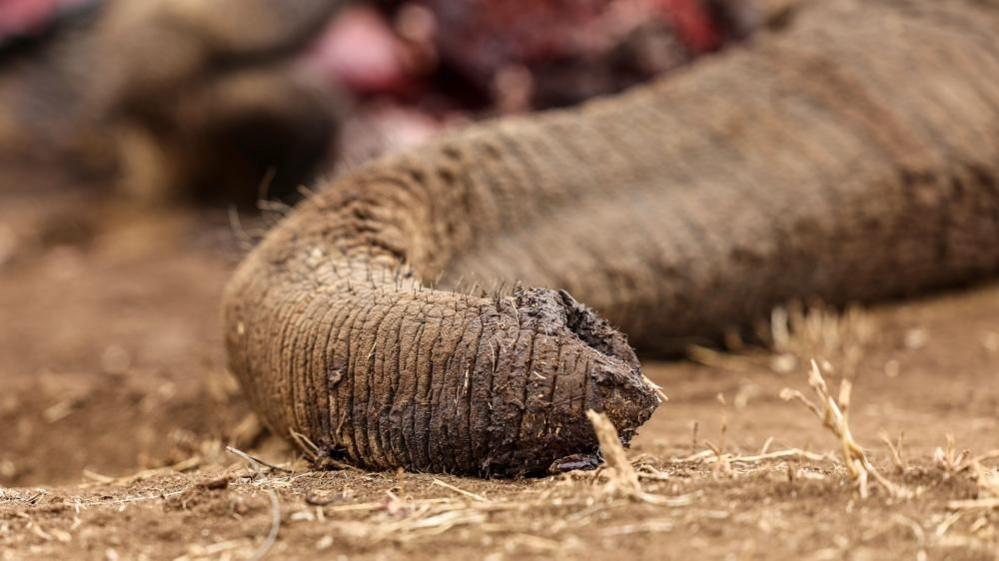
Kenyan officials announced four arrests in connection with the sudden deaths of 18 elephants in Amboseli National Park, suspecting cyanide contamination from illegally sprayed tomatoes. The suspects—three Kenyans and one Tanzanian—are held on charges of poisoning, with preliminary lab tests confirming cyanide traces. They have been released on bail and the investigation remains ongoing, highlighting challenges of enforcing pesticide rules in a porous border region.
In a decisive move, Kenyan authorities detained four individuals linked to the sudden deaths of 18 elephants in the Amboseli region. Three Kenyan residents and a Tanzanian national face charges of cyanide poisoning, according to the Kenya Wildlife Service.
The investigation centers on the possibility that elephants ingested tomatoes sprayed with illegal pesticides, turning the crops into a cyanide vector. Laboratory tests of fruit remnants from the elephants’ stomachs have detected traces of cyanide.
Affected elephants were predominantly female adults and their calves, all showing signs of paralysis that point to cyanide exposure. The victims were found near the border corridor between Amboseli National Park and Tsavo National Park, a hotspot for cross‑border agricultural activity.
Tomato farms in the Kimana area often use prohibited agrochemicals that slip past enforcement checkpoints. Because of weak monitoring, these pesticides can be smuggled across the porous Kenya–Tanzania border and endanger wildlife living close to farmsteads.
While regulations against illegal agrochemicals exist, enforcement is limited and the impact on animals receives little attention. Wildlife officials have called for stricter oversight to protect the Amboseli ecosystem.
The suspects have been released on bail, but the investigation continues. Authorities say they will pursue further evidence against those responsible for the poisonings and work to strengthen border controls and pesticide regulation.