Kenya Launches Crackdown on Foreign Traders Using Visa‑Free Entry
The Kenyan trade ministry today warned that visitors who enter the country on a visa‑free basis are not entitled to operate small trade businesses, and the government has set a deadline for foreign traders to cease operating without proper permits.
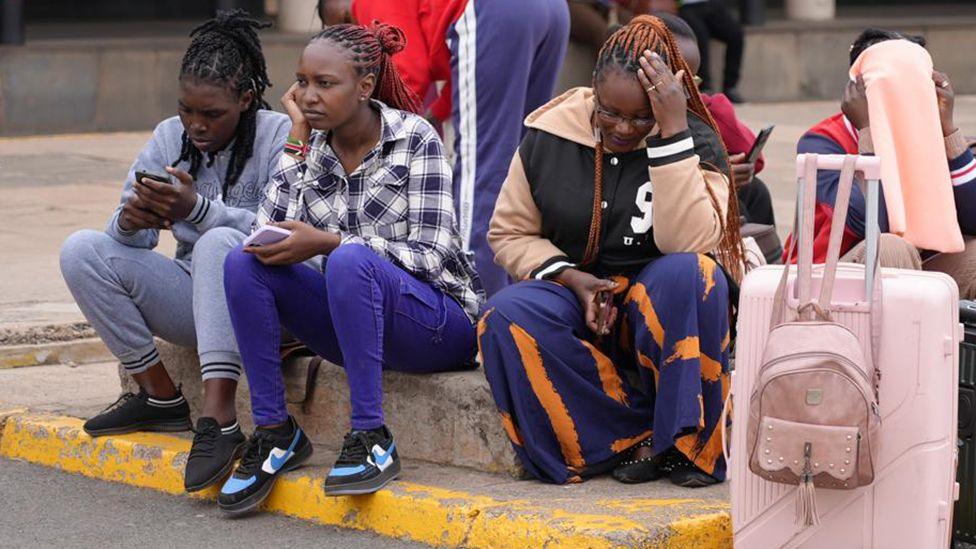
President William Ruto, speaking in Nairobi, issued a statement demanding that all foreign traders shut down by the end of the month. The minister underscored that the number of unlicensed hawkers in malls and markets has surged, and that their activities often contradict the declared purpose of their visa.
"The misuse of visa applications has become deliberate. Some people come as investors or tourists, yet they engage in business activities that breach their stated status," the trade ministry said. Lee Kinyanjui added that the high number of foreigners in retail underlines the need to align their activities with work‑permit law.
In response to the crackdown, the Burundian embassy offered free emergency travel documents to its citizens ready to return home. The embassy also warned that residents of Burundi in Kenya may face mistreatment amid the current tension.
The situation caught the attention of the East African Community (EAC), where leaders from both Kenya and Burundi called for a meeting. Burundi’s Foreign Affairs Minister Edouard Bizimana expressed concerns about Kenyan nationals living peacefully in Burundi, and criticised the rising hate speech.
A senior official from Kenya’s foreign affairs ministry clarified that foreigners with proper documentation—including work permits and licences—may continue trading. The government insisted that all East Africans and other Africans are free to live in Kenya, provided they engage in business legally.
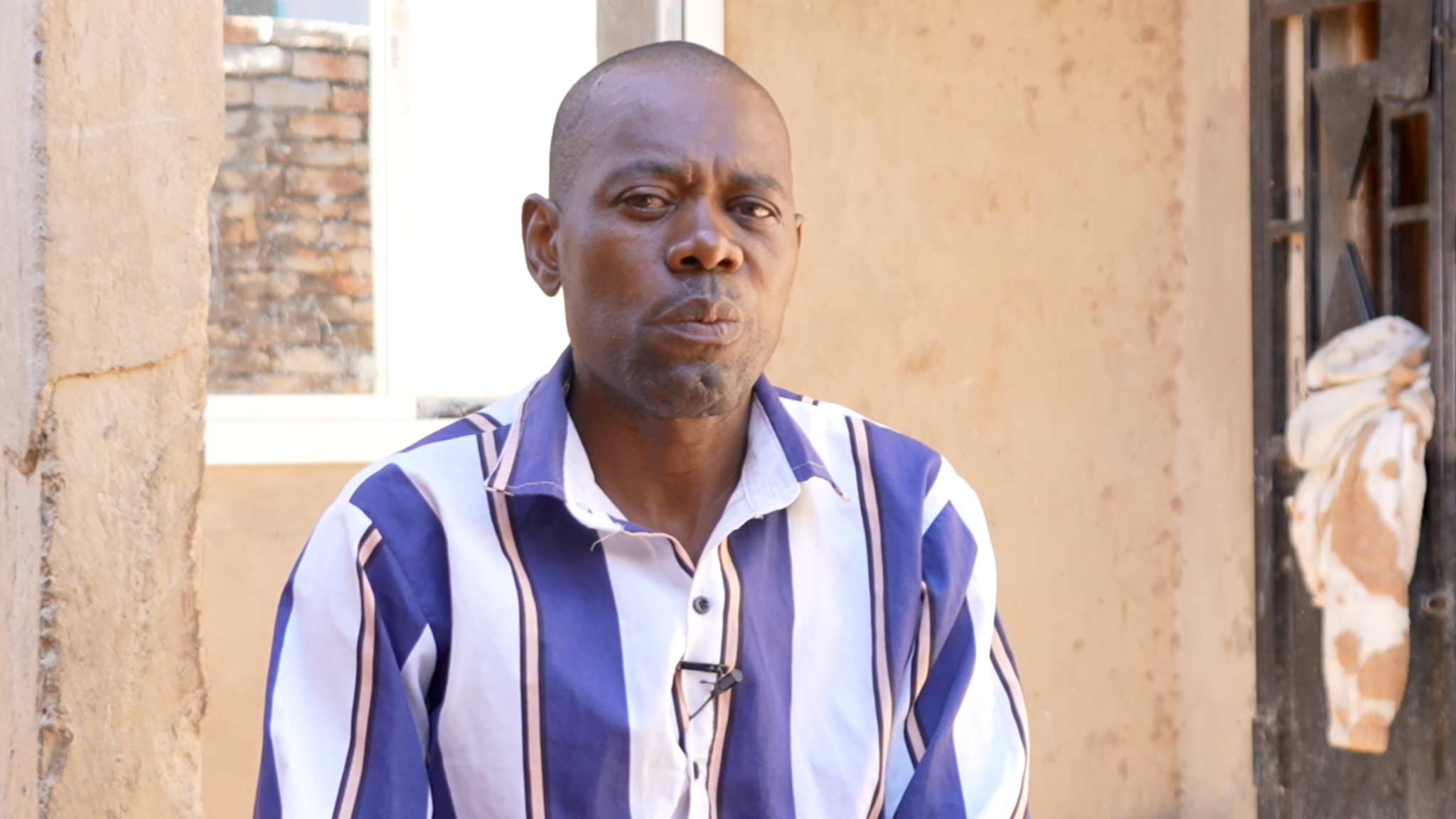
Despite the clarification, many foreign traders remain uneasy. Alexis Ntinanirwa, head of the Association of Burundians in Kenya, urged his community to avoid confrontations with police and to keep patience. He warned that the crackdown could have ripple effects throughout the region, as Kenyans also operate small businesses in neighboring countries.
Additional reporting by Akisa Wandera and Prime Ndikumagenge.