The Bulwark Crumbles
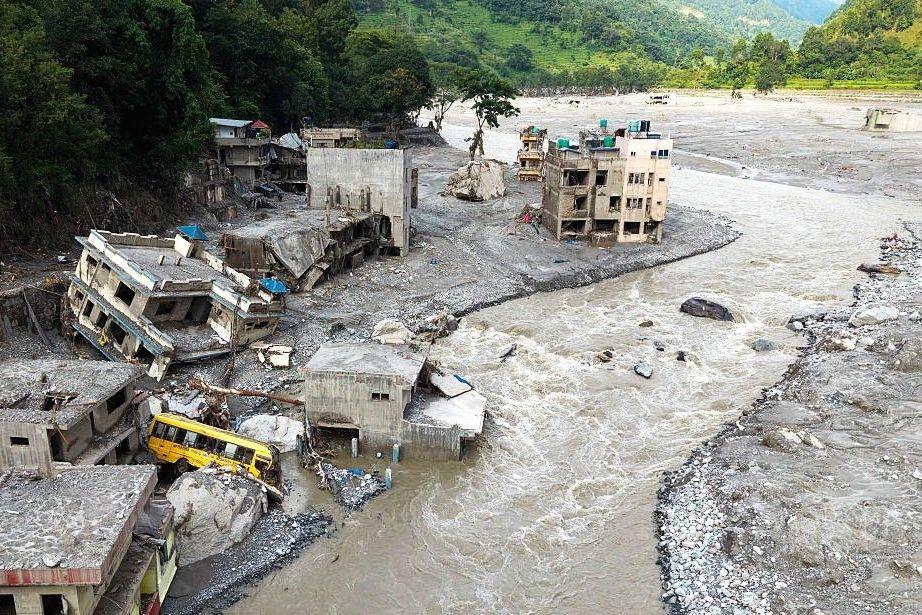
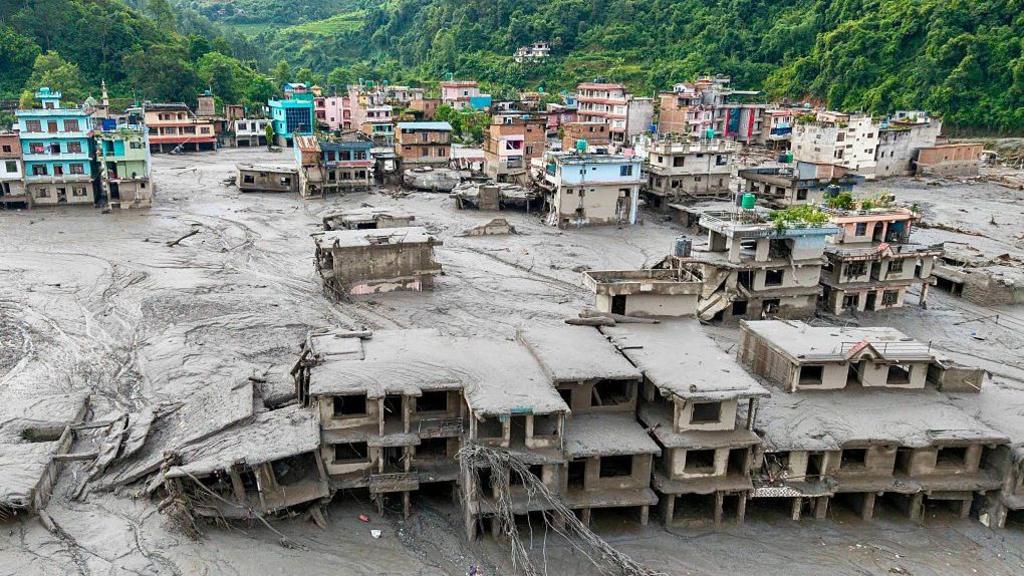
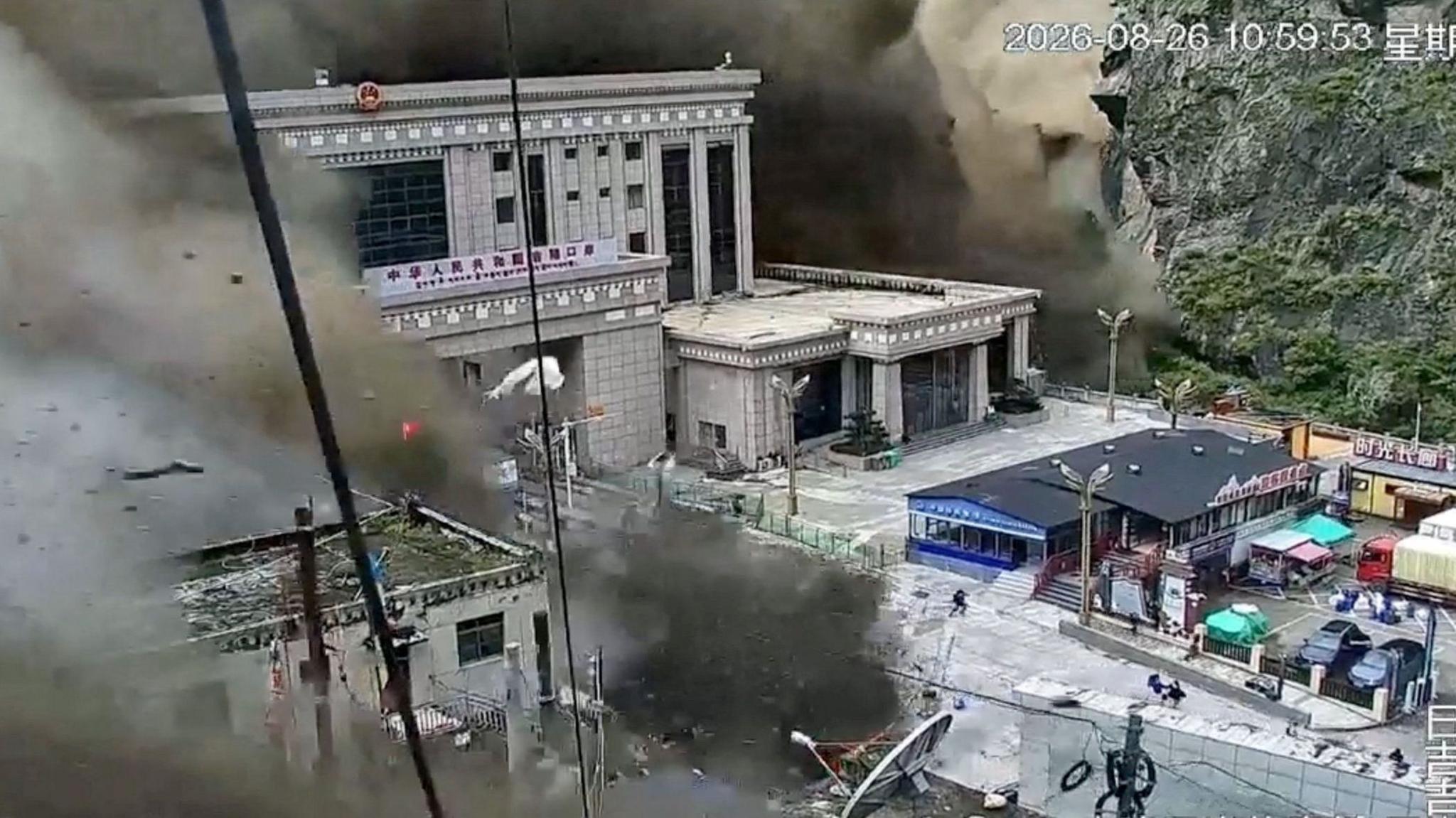
On the morning of 26 August 2026 a storm‑laden glacial mass at Gyirong in Tibet fractured, unleashing a torrent of water, mud, boulders and rock down a narrow gully that had served as a key route between Nepal and China for centuries. Within seconds a wall of black‑spattered water swept buildings and vehicles off the hillside, leaving a ghost‑like street of wreckage and an empty footprint where the border office once stood. The collapse was caught on the border’s CCTV camera – a clip that lasts only a few seconds but vividly shows the instant the flood water punched through the border guard’s watchtower and over the Friendship Bridge.
Numbers in the Dark
The Nepali immigration office at Rasuwagadhi kept digital records of every traveler that moved through its gates. The last transaction logged at 08:35:03 local time – just 10 minutes before the video recorded the flood – was a system check. Russians? Indians? The logs show 89 Nepalis and foreign nationals had cleared exit, while four had just entered. Earlier that morning, the office had processed 32 Indians, 12 Chinese, nine Americans and citizens of Britain, Canada, Australia and Italy. At the same instant, Chinese immigration was reportedly still opening for 77 pilgrims from an Isha Foundation group.
Lost Faces and a Surviving Witness
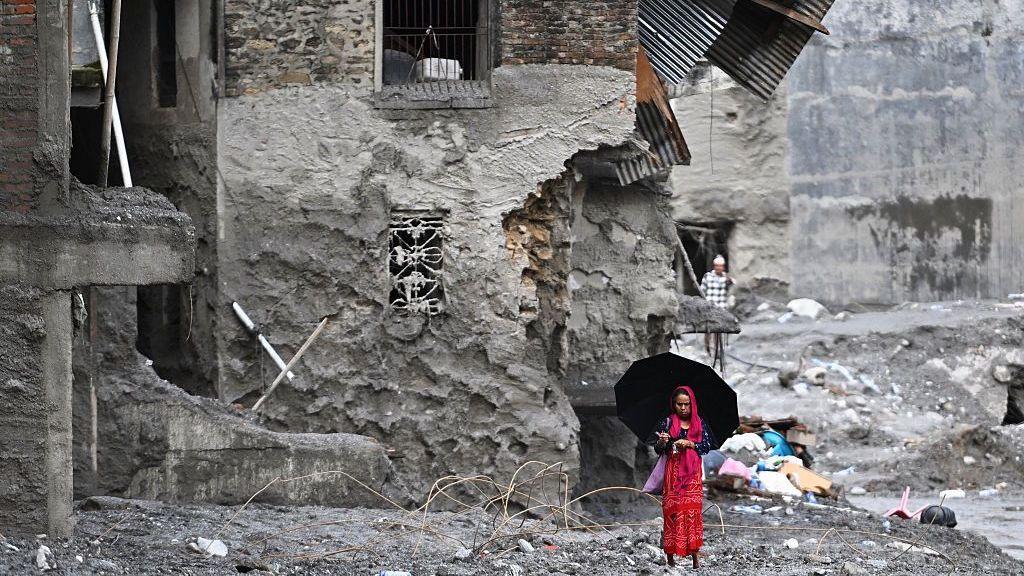
Tika Ram Pokharel, the sole surviving senior assistant at the Rasuwagadhi post, survived because he was in Kathmandu for exams that day. On 08:20 a colleague warned him that the crossing was unusually crowded – “300 to 400 people waiting to leave Nepal for Tibet” – and that the customs office had no warning of an impending disaster. "We had no chance," he said. According to Pokharel, 40–50 of his friends were missing, and he estimates that 2,000 to 2,500 people may have been caught in the flood, a number far exceeding the official figure of 275 missing Indians reported by India’s foreign ministry.
Economic Fallout
The Rasuwagadhi-Rxirong corridor accounts for roughly a third of Nepal’s $2.95bn trade with China and carries 80% of its electric‑vehicle imports. With the road now impassable, traders are forced to divert to Tatopani, which faces similar landslide risks. Experts warn that Nepal needs to diversify its China trade routes and rethink dredging and hydropower projects along the same watershed that make the region vulnerable.
The Human Cost
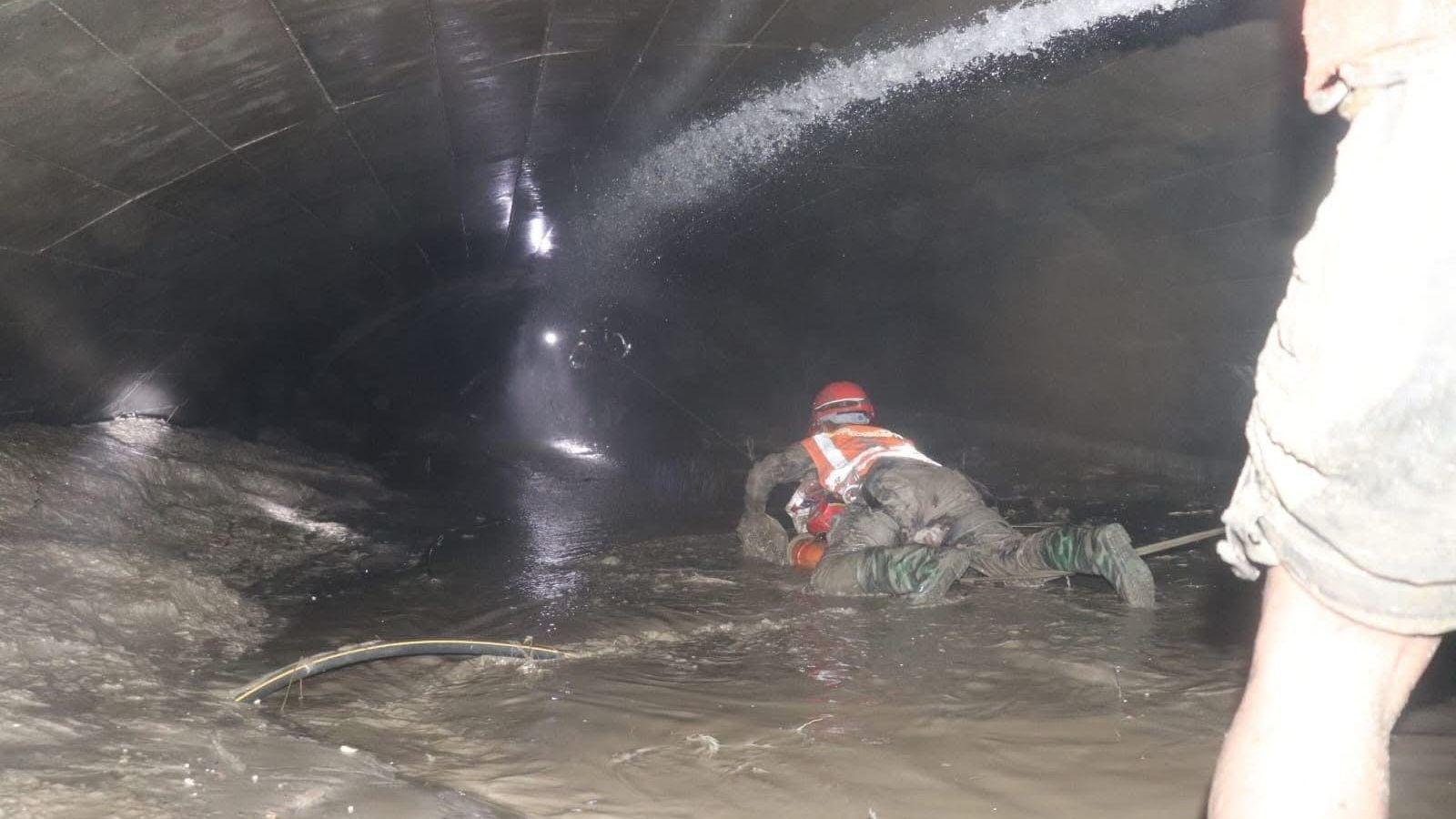
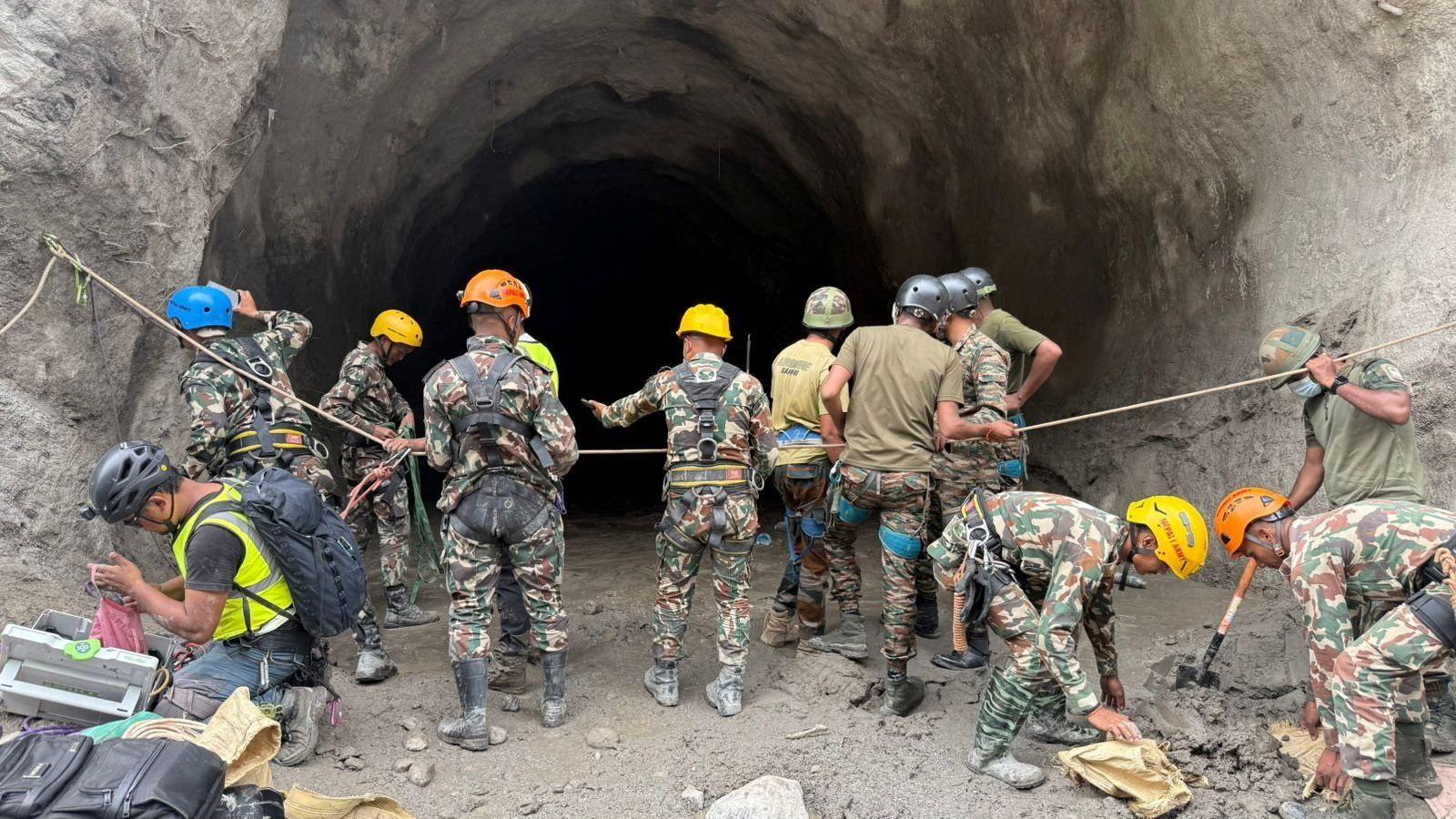
Rescues have been hampered by the sheer scale of debris. When a Chinese Czech team arrived on 28 August, one officer declared the zone “nothing but ruins.” Unlike the July 2025 flood that had already left the bridge using temporary structures, this disaster removed even the remnants of the collaboration infrastructure. Local accounts recount how travelers on the Chinese side had begun celebratory video calls at 07:57, later silent as the flood consumed the area.
The tragic event has drawn attention to the high‑risk geography that underpins one of the most vital international border crossings in South Asia.