AfD Secures Speaker Role in Saxony-Anhalt Amid Protest Fury
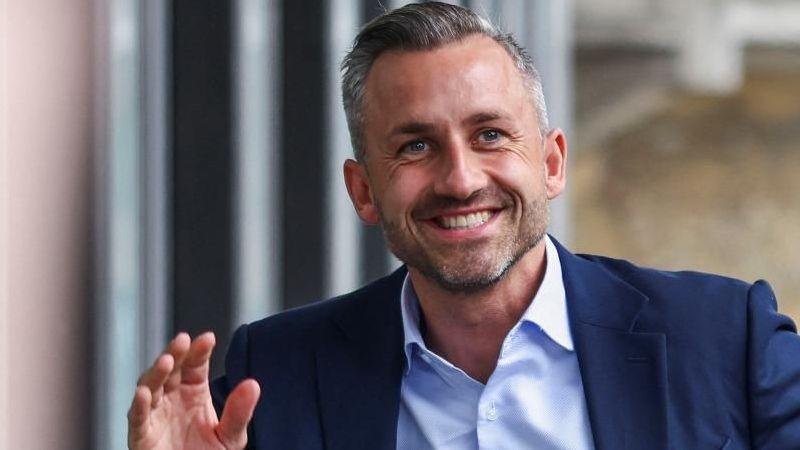
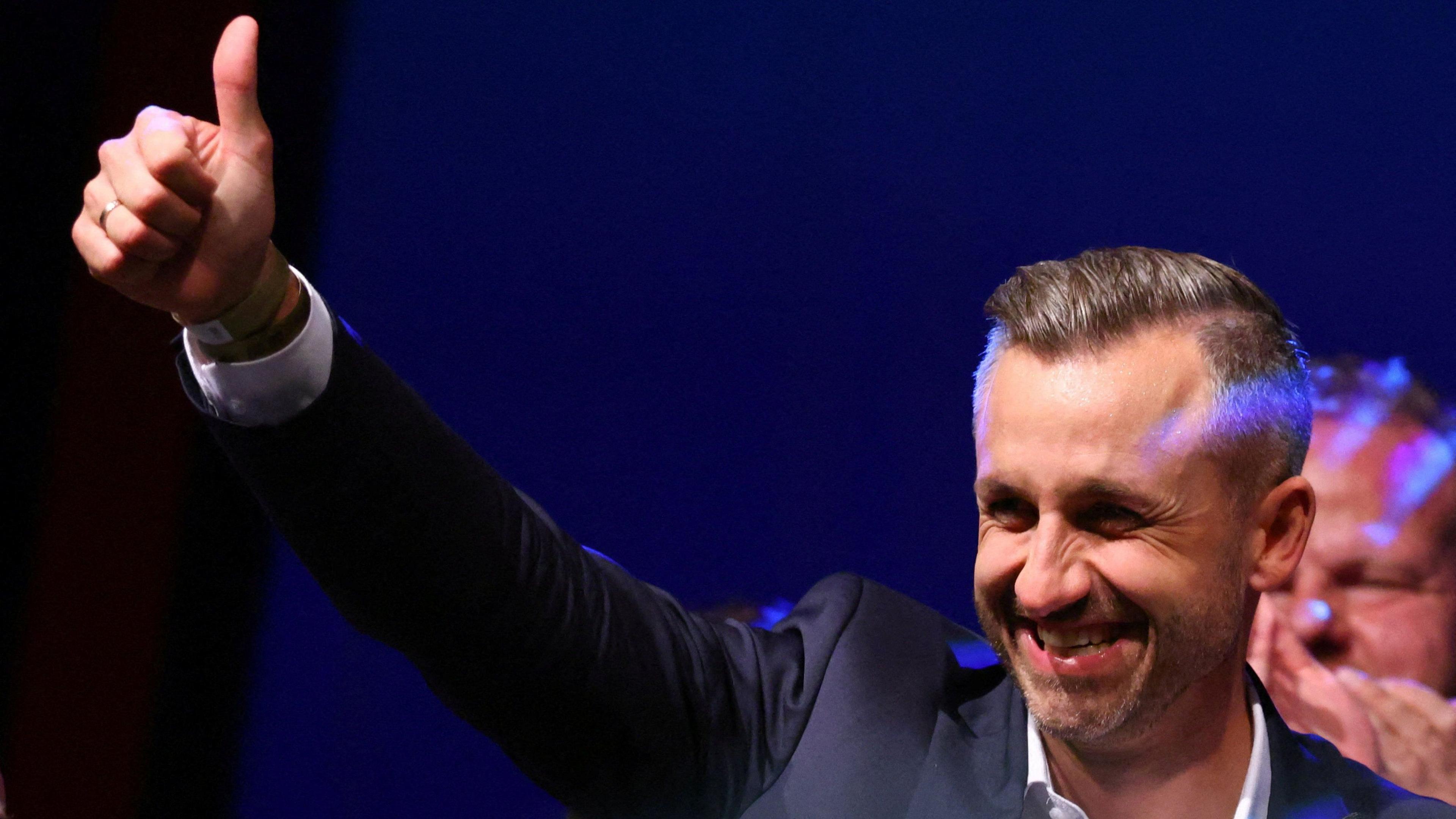
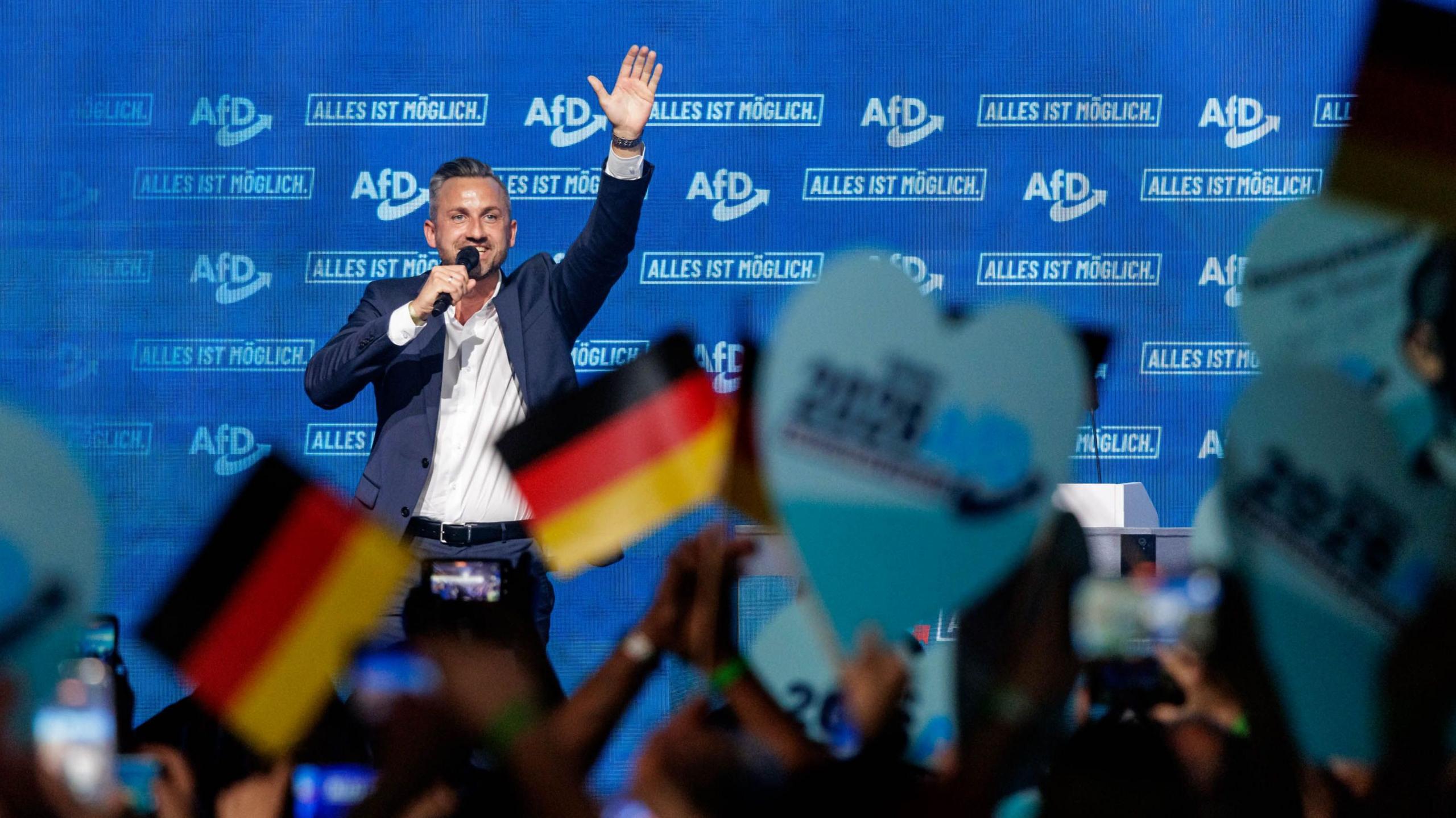
On Tuesday, Tobias Rausch, a 35‑year‑old AfD member, was elected speaker of the Saxony‑Anhalt state parliament, a post that until now never had been held by a far‑right party since the conclusion of World War Two. Rausch won the vote with the support of nine MPs from other parties, including a surprising bloc of hard‑left BSW members and several unidentified legislators.
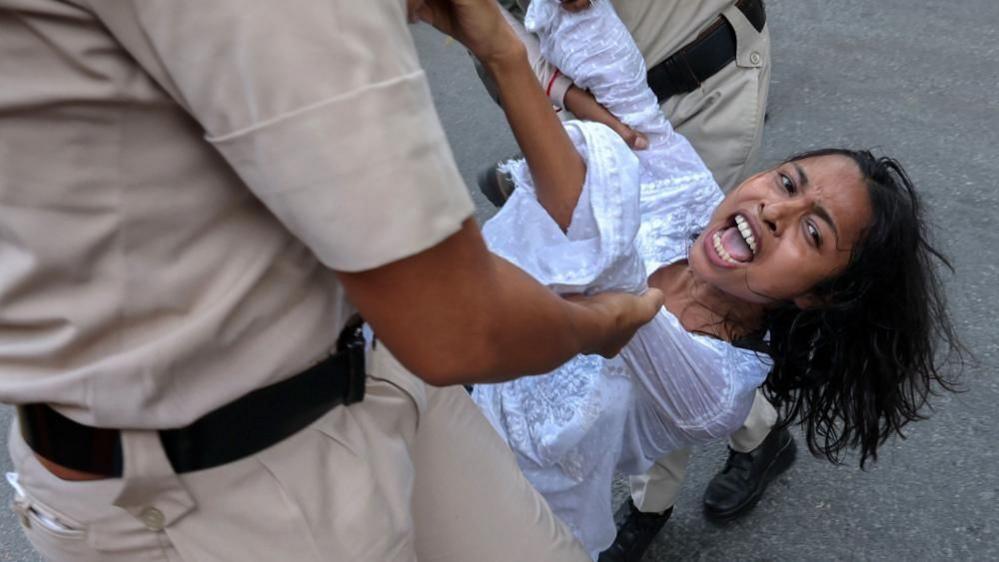
The unusual coalition was punctuated by protests outside the Magdeburg parliament, where more than 300 demonstrators rallied against the AfD’s ascension. Banners read "Never again is now," bringing the past back into the present debate over the role of the far‑right in German politics.
"The days of political firewalls should be a thing of the past," Rausch declared after his election, rejecting the historical consensus that has largely kept the AfD on the political periphery. Ulrich Siegmund, the AfD’s prominent regional leader who is also eyeing the premier’s office, highlighted the party’s broader aspirations beyond its recent gains.
Despite the AfD's significant gains, it fell three seats short of a majority in the recent state election and faces scrutiny from the domestic intelligence agency, which labels the party a "right‑wing extremist organization." Rausch’s new role, though largely ceremonial, will give him control over debate schedules, building access and official parliamentary representation.
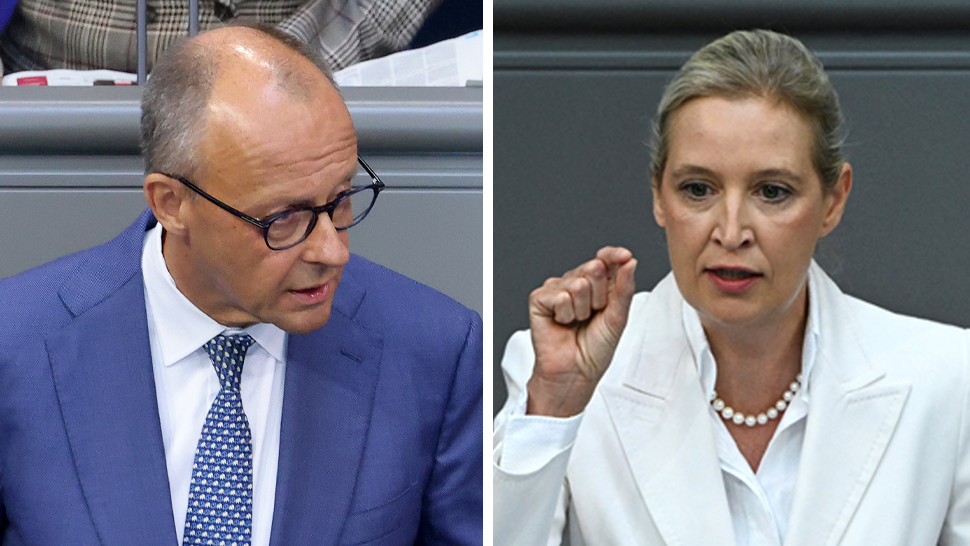
The move has unsettled several other parties. The CDU, led by Chancellor Friedrich Merz, voiced clear opposition to collaborating with the AfD. However, reports suggest that a minority of CDU members may have quietly backed Rausch, a development that has intensified partisan tensions ahead of the December vote to select the state premier.
The election of an AfD speaker is being described by political analysts as a watershed moment, potentially signalling a shift in Germany’s post‑war political architecture and raising urgent questions about how the country will navigate cooperation with extremist parties in the future. The unfolding situation is closely monitored by German media and international observers alike, as the balance of power in Saxony‑Anhalt continues to evolve.