A set of local elections has rattled Germany’s political foundation, turning its coalition government on its head.
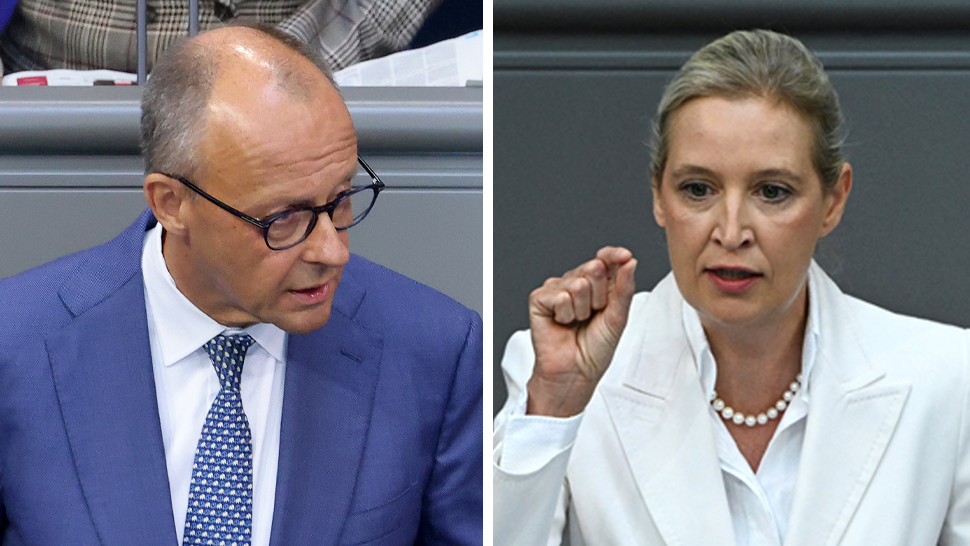
In the past two weeks Berlin’s voters handed Friedrich Merz’ CDU to its opponents, while Saxony‑Anhalt and Mecklenburg‑Western Pomerania delivered blows that could see the CDU wiped out of parliament in those states.
Merz’s coalition, still anchored by the SPD, faces a crisis that has been simmering for years. The party’s centre‑right base, however, has yet to publicly challenge him, and rumors of a “Kanzlertausch” stay unverified.
Approval ratings for Merz have slipped to a record low, with voters describing him as arrogant and out‑of‑touch. In political circles this is often called a “communication” problem. Supporters argue that he and the SPD must double down on reforms and communicate more effectively to restore confidence.

Despite these setbacks, the CDU’s higher‑elevation polls earlier this year saw the party faring better in other regional contests. CDU spokesperson Jürgen Hardt said Merz is aware of his weaknesses and the party will work on them.
Merz moved to power in 2025 with promises to tighten immigration controls and revive economic growth. Yet the public’s demand for stability now outweighs that agenda.

Meanwhile the AfD has kept climbing. Last Sunday it secured its third state‑level victory in Mecklenburg‑Western Pomerania, and polls now put the party close to 28% nationally. Its platform – from anti‑immigration to a more sceptical stance on the European Union – resonates with voters upset over the high cost of energy, fears of Chinese competition, and a sense that the old model of cheap Russian gas is no longer viable.
The AfD is not merely protest; it now threatens to reshape Germany’s identity. As feared by security officials, its Russia‑friendly rhetoric and links to right‑wing extremism deepen the country’s crisis of trust in the two foundational parties, the CDU and SPD.

The outcomes of these elections illustrate a larger shift: political centrism is eroding, and the nation’s long‑standing myths of efficiency, consensus and a post‑war political order are being questioned. With the twin forces of a weakening Chancellorship and an emboldened AfD, German politics stands at a crossroads, and the path forward remains uncertain.