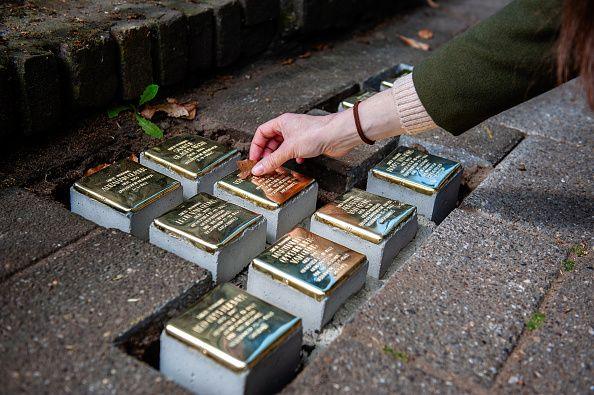

A council meeting in Heidenau, a small Saxon town near Dresden, ended with a vote to ban Stolpersteine – brass plaques embedded in street paving that commemorate individual Nazi victims. The motion, backed by the AfD and the CDU, was condemned as a scandal by the German Education Minister Karin Prien.
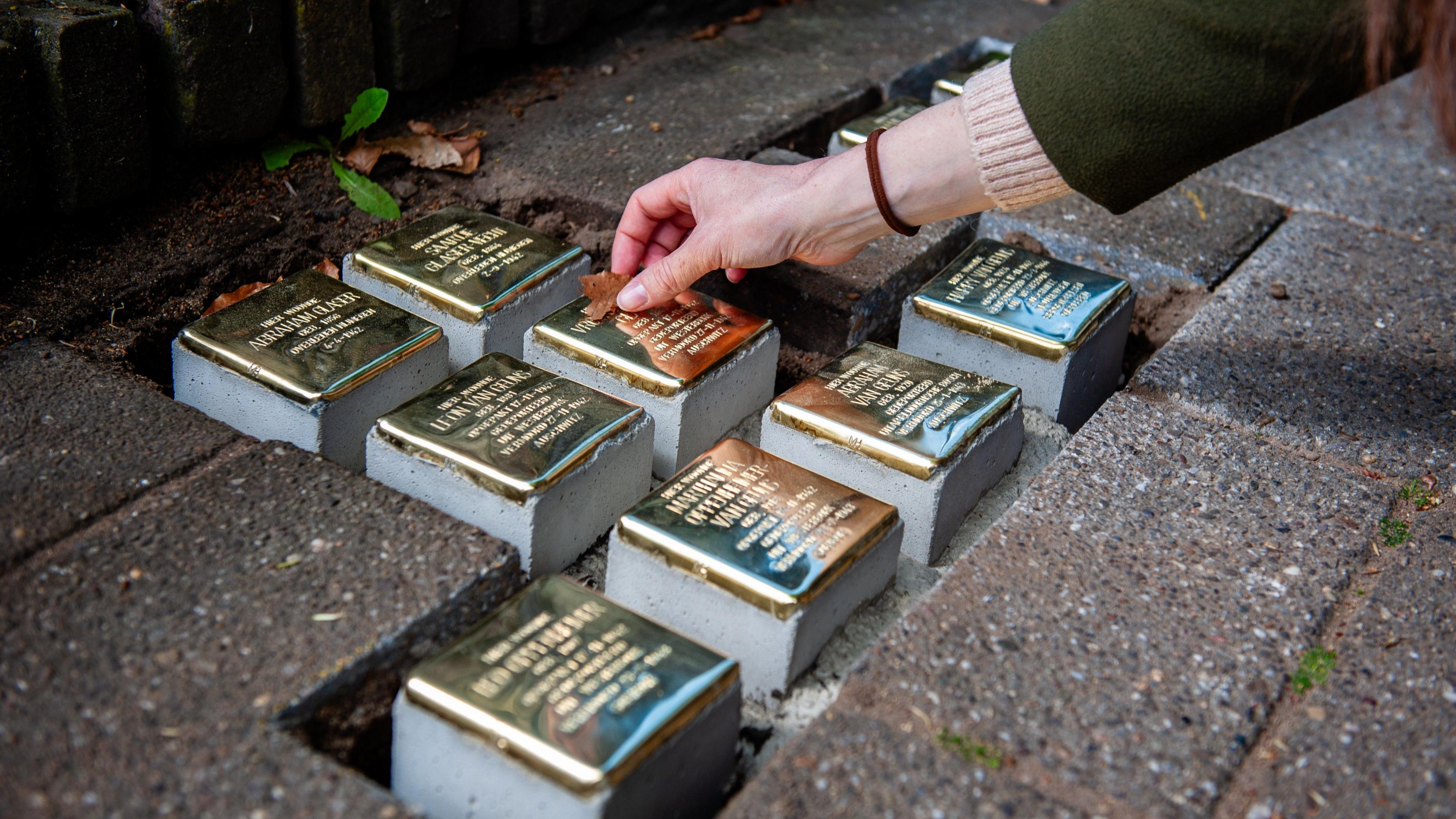
Stolpersteine, created in 1990 by German artist Gunter Demnig, have been installed across Europe to mark the former homes or workplaces of Jews and other Holocaust victims. The tiny stone, etched with a name and dates, asks passers‑by to physically step over it and pause in remembrance.
Councillors said many residents felt the stones encouraged “pushing” remembrance into the public space, and proposed shifting memorials to the Nordfriedhof cemetery where visitors would not physically step onto them. The decision followed the AfD’s recent electoral victories in Saxony‑Anhalt and Mecklenburg‑Vorpommern, prompting concerns that anti‑immigration and right‑wing populist agendas are gaining influence in local politics.
Dr. Karin Prien described the ban as “a clear strategy to erase public memory of the Holocaust” and warned that mirroring the cemetery would “prioritise death over life.” The move was met with sharp criticism from Charlotte Knobloch, president of the Jewish Community in Munich, who denounced the coalition’s support of the ban as a “transparent manoeuvre by the extremists of the AfD.”
Knobloch argued that decentralised remembrance, interwoven throughout everyday streets, is essential to a “genuine culture of remembrance” and that the removal of these stones would render Jewish history invisible in public spaces. Despite the ban, other German cities continue to commission plaques on municipal land or on public buildings, maintaining physical reminders of the past.