In brief
India’s government‑run schools face grave neglect, with flooded classrooms, broken toilets and a lack of teachers. The Cockroach Janta Party’s #FixTheSchool campaign, born from a mock‑online mob, has stirred students to protest and social‑media videos that have prompted local authorities to repair roads and toilets. While Delhi officials remain silent, pressure is building for funding and accountability, turning a fringe satire into a potent movement for educational reform. The protest shows that rural students now demand the same quality as privileged city schools.
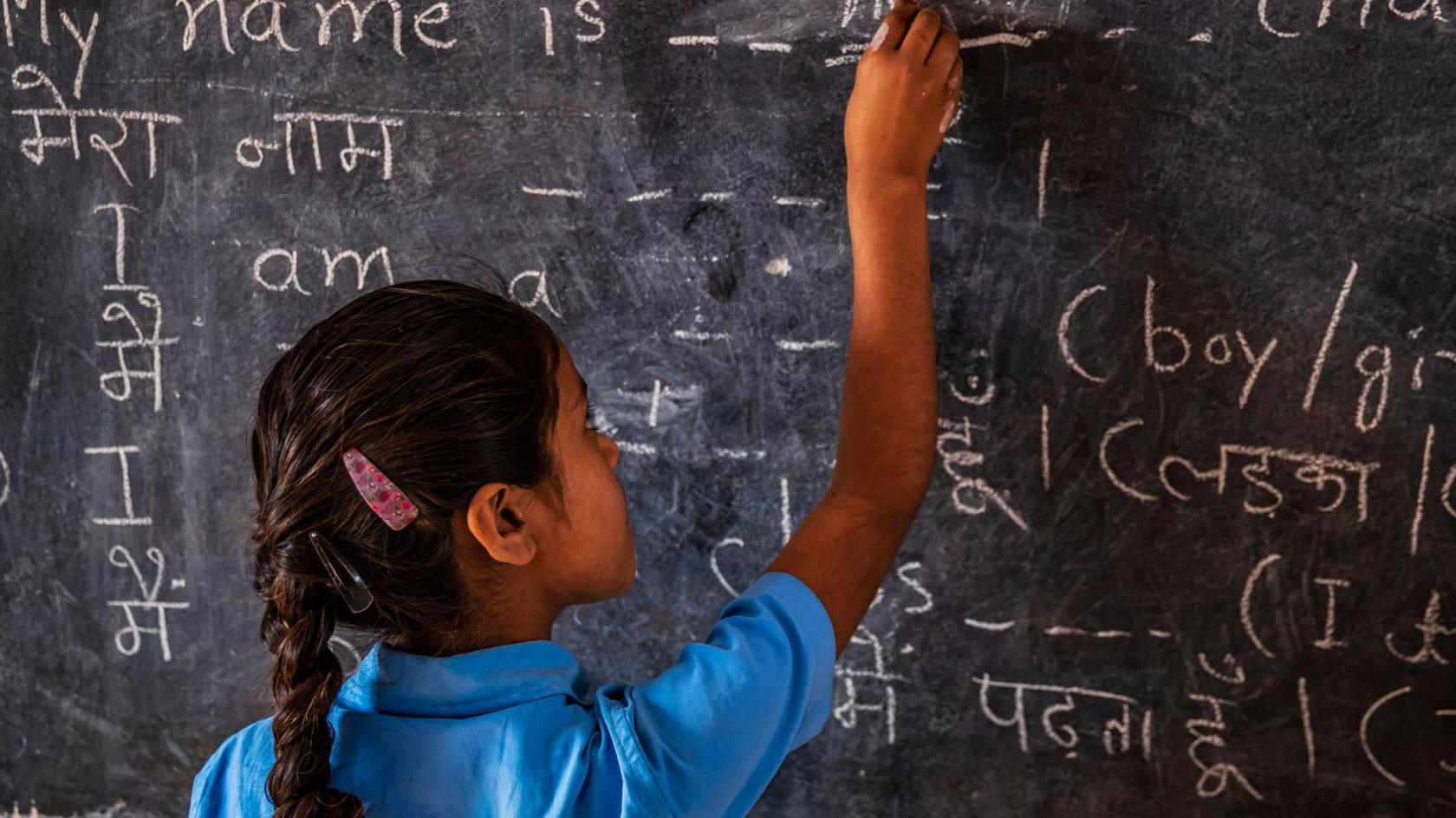
Across rural India, many government schools appear new from the outside but crumble inside. A primary school for girls in Faridabad’s Khedi Kalan village sits in a squat, one‑storey building that recently (re)painted but still has plaster peeling from the ceiling, eight of its toilets unusable and four of nine classrooms abandoned because of flooding and structural dangers.
India spends only 4.1% of its gross domestic product on education – barely meeting the UNESCO minimum of 4% – whereas countries such as Germany, Australia and the United States spend more than 5%. Yet the nation’s education policy (NEP 2020) calls for a 6% target that has not been reached.
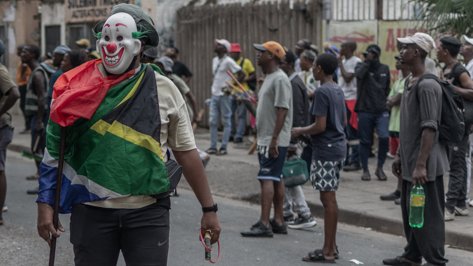
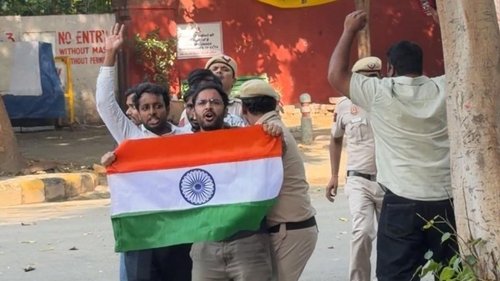
In a viral social‑media campaign called #FixTheSchool, the Cockroach Janta Party (CJP) has spotlighted these deficiencies, building on its earlier protests that forced Education Minister Dharmendra Pradhan to resign in 2024. The CJP’s founder, Abhijeet Dipke, has visited more than 20 rural schools and reported none as good, citing a lack of benches, toilets, drinking water, teachers and even animals as appalling.
Students across India have jumped into the movement. In Raigad, Maharashtra, a schoolgirl’s clip mocking a muddy road led local authorities to repair the path within hours. In Uttar Pradesh, students demanded a road upgrade, while a video sent several complaints to the district magistrate, sparking a “localized mutiny” that is drawing nationwide attention.
Teachers are a major problem too. At a Faridabad primary school, 40 teachers were posted to a single building, but 30 were pulled away for voter‑list revision duties, leaving only six to supervise 910 children. This misallocation of educators has warped the educational experience and highlighted the chronic under‑funding of state schools.
While Prime Minister Narendra Modi’s government has yet to comment, the protests have forced a senior education official to acknowledge the crisis – the first response the ministry has provided since the campaign began. The CJP has attracted more than 26 million followers on Instagram, and videos showing rotting walls, holes in roofs and children standing on the floor are being shared widely, creating a new wave of civic engagement that could reshape India’s approach to public schooling.