A power surge that caused a widespread blackout in Spain and Portugal was the most severe in Europe in the last 20 years, and the first of its kind, a report has found.
Damian Cortinas, president of the association of electricity grid operators Entso-e, said the incident was the first known blackout to be caused by overvoltage, which occurs when there is too much electrical voltage in a network.
This is new territory, Cortinas said, adding the role of Entso-e was not to apportion blame to any party over the cause.
April's outage caused significant disruption for nearly a day when it plunged areas into darkness, cutting internet and telephone connections and halting transport links.
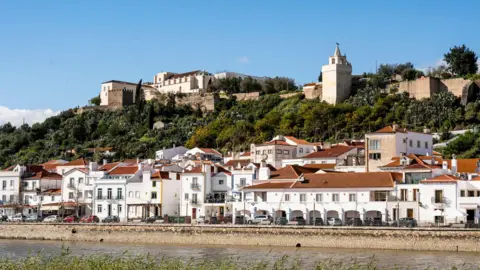
The blackout affected large parts of Spain and Portugal, and briefly affected southwestern France.
The report, released by Entso-e, emphasized the sequence of events leading up to the outage, which was triggered by a series of cascading overvoltages. These overvoltages can result from surges in networks due to oversupply, lightning strikes, or insufficient protective equipment.
According to the report, automatic defence plans were activated but were unable to prevent the power system from shutting down. It follows several investigations conducted by the Spanish government, as well as power and grid companies, with the national energy watchdog and lawmakers conducting separate inquiries.
Sara Aagesen, minister for ecological transition, stated that the Entso-e report aligns with a previous investigation that found fault with both the national grid provider Red Eléctrica and private electricity companies.
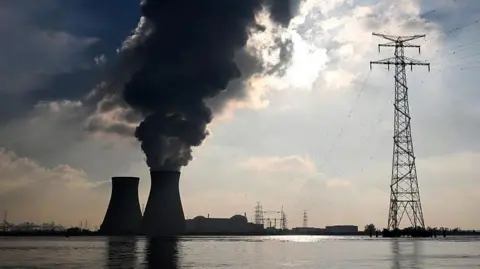
Both Red Eléctrica and private firms have maintained they are not to blame for the incident. Redeia, the owner of Red Eléctrica, pointed to failures among coal, gas, and nuclear power plants in maintaining appropriate voltage levels, while some Spanish utilities argued that the blackout was a result of inadequate planning from grid operators.
The report acknowledged that some important data was missing, making it difficult to draw concrete conclusions from the investigation. A final report, expected in the first quarter of the following year, will delve deeper into the causes of the overvoltage and the subsequent actions taken to maintain stability within the system.
This blackout has triggered a broader debate about Spain's energy model. Critics of the left-wing government's promotion of renewable energy have suggested this reliance may have contributed to the blackout, exacerbated by a decrease in available nuclear energy as a backup.
The government has rejected these theories, while the recent report does not take a definitive stance on the causes of the incident.
As a result of the blackout, public events were disrupted, transportation systems were hindered, and emergency services were summoned to handle numerous incidents, particularly involving people trapped in elevators across the Madrid region.