Since the high-speed line was built, 30-something years ago, we never had any problems, it worked perfectly and was fantastic, says Alberto Montavez Montes, a shop-owner opposite Córdoba city hall, where the Spanish and Andalusian flags have been hanging at half-mast.
Now, though things feel different: It's not that there's psychosis, but it does make you just a bit reluctant to get on a train, without a doubt. In just a few tragic days since two high-speed trains collided in this southern region of Spain, with the loss of 45 lives, it has felt that Spain's much-vaunted rail system has been thrown into a sudden, deep crisis.
Second only to China in scale, Spain has 3,900 km (2,400 miles) of high-speed (AVE) rail and until now its national network has been admired for its efficiency and safety. In 2009, then-US president Barack Obama singled out Spain for praise when he outlined a vision for the creation of a high-speed rail network across America.
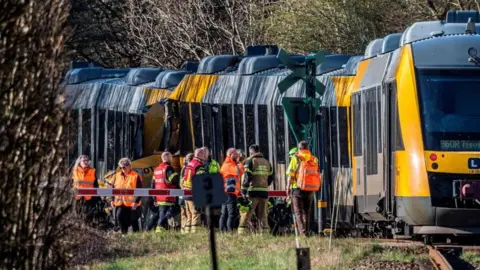
However, recent tragedies have called the reliability of this system into question. Last Sunday, the back three carriages of a train operated by Italian firm Iryo derailed into the path of an oncoming Renfe train, leading to the catastrophic crash.
As investigations continue, including a focus on potential infrastructure issues, members of the public express rising doubts about safety. I think the trains aren't as safe as before, says local resident Olga Márquez, highlighting incidents of vibrations during previous journeys.
Government officials maintain that significant investments are being made to ensure safety and efficiency, yet the aftermath of the collisions has led to public skepticism and political blame games. With most politicians affirming confidence in high-speed rail, the tragedy has left many Spaniards grappling with newfound fears about their travel safety.