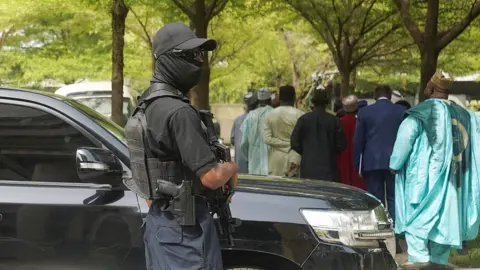
A group of officers in Nigeria are set to face a military court after being accused of plotting to overthrow the government of President Bola Tinubu last year, according to a statement from the armed forces.
Sixteen officers were arrested last October after being described as engaging in acts of indiscipline and breaches of service regulations. Although military officials initially dismissed rumors of a coup attempt, subsequent investigations led to the decision to bring some of the arrested officers before a military judicial panel.
Nigeria's tumultuous history, marked by multiple military coups from 1966 to 1993, renders allegations of coup plotting particularly sensitive. The military has emphasized that allegations necessitate accountability and due process, reflecting an effort to uphold the ethics of military service.
While it remains unclear how many of the 16 will actually go to trial, the military has stated that attempting to unseat an elected government is inconsistent with their values and professional standards.
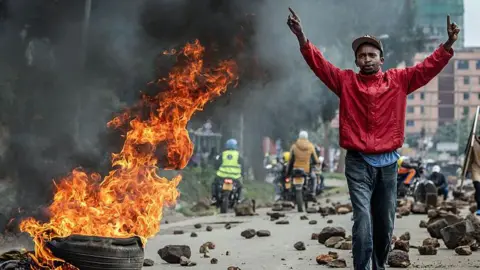
Recent years have seen public sentiment grow uneasy amid escalating instability and insecurity, leading to persistent speculation about dissent within military ranks—a narrative that the military has consistently sought to refute.
Since Nigeria transitioned to civilian rule in 1999, the armed forces have repeatedly reaffirmed their loyalty to civilian authority and their commitment to democracy. The ongoing socio-political climate in West Africa, particularly with a spate of coups in neighboring countries, has heightened vigilance against potential upheaval within Nigeria.
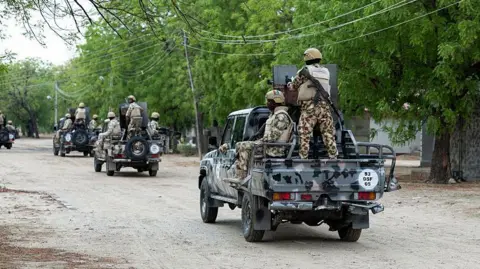
Amid these challenges, the Nigerian military is under significant pressure from various operational demands, including combating jihadist groups in the northeast and addressing rising criminality and communal violence in the northwest and central regions.
Analysts contend that this blend of operational strain and external pressures may necessitate a reinforced focus on discipline within the armed forces, underscoring the importance of maintaining control in a historically volatile military landscape.