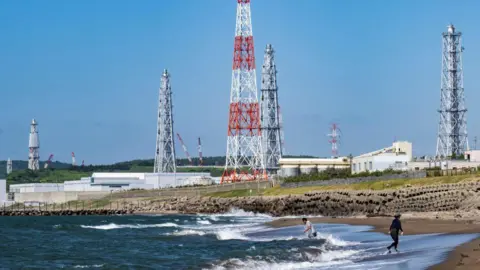
Japan has restarted a reactor at the world's largest nuclear plant nearly 15 years after a disaster at the Fukushima power plant forced the country to shut down all its nuclear reactors.
Reactor no. 6 at the Kashiwazaki-Kariwa plant, located northwest of Tokyo, was restarted on Wednesday. It was delayed by one day due to an alarm malfunction and is expected to begin commercial operations next month.
This is the latest step in Japan's nuclear power reboot, which remains in its early stages. The seventh reactor is not expected to resume operation until 2030, and five of the other reactors could be decommissioned. As a result, the plant will operate at a much lower total capacity than before, only a fraction of the previous 8.2 gigawatts.
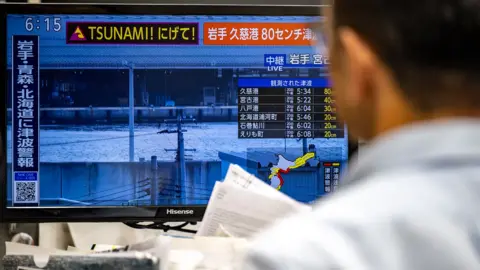
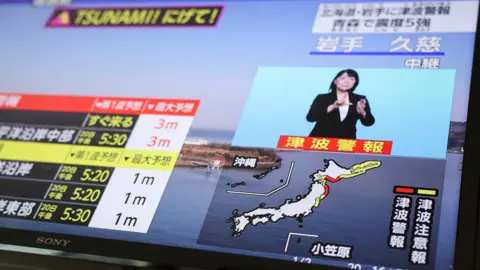
Japan had historically relied heavily on energy imports and was an early adopter of nuclear power; however, the catastrophic events of 2011, when a powerful earthquake triggered a meltdown at Fukushima Daiichi, fundamentally changed the landscape. The disaster resulted in widespread radioactive leakage, traumatizing local communities and displacing thousands.
Public confidence in nuclear power plummeted, and the Japanese government responded by suspending operations of its fleet of 54 reactors.
Efforts to restart reactors have been slow, with 15 out of 33 operable reactors successfully restarted since 2015. The Kashiwazaki-Kariwa plant is the first owned by Tokyo Electric Power Company (TEPCO) to come back online.
Before 2011, nuclear energy accounted for nearly 30% of Japan's electricity generation, with ambitions to raise that number to 50% by 2030. The latest energy plan aims for nuclear power to fulfill 20% of electricity needs by 2040.
Yet, in light of rising safety demands and expensive upgrades, doubts grow about the viability of these targets.
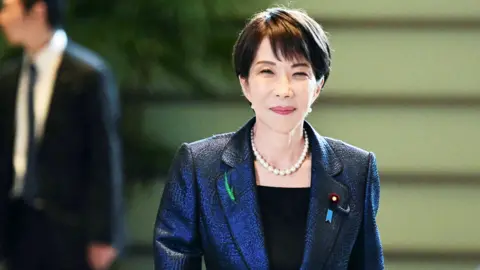
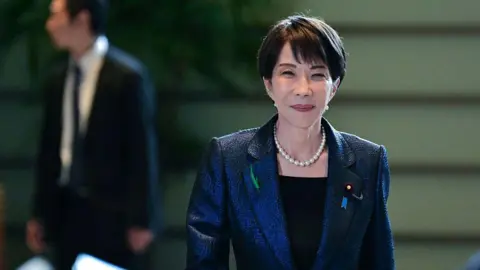
Global momentum for nuclear energy is increasing; the International Atomic Energy Agency estimates global nuclear capacity could more than double by 2050. The new Prime Minister, Sanae Takaichi, has stressed the importance of nuclear energy amid surging energy requirements from digital infrastructure.
However, operational costs have soared due to stringent safety checks, leading to contemplation over government subsidies versus passing costs to consumers. Any increase in energy bills could increase public unrest, especially against a backdrop of rising living costs.
Amid these developments, public opposition persists. Activists continue to protest, voicing fears that another nuclear disaster could have catastrophic consequences, particularly in the wake of TEPCO’s prior mishandlings and ongoing public mistrust.
"Nuclear power is getting much more expensive than they ever thought it would," notes energy analyst Dr. Florentine Koppenborg, adding that the government's stringent regulations and commitment to restoring nuclear power might result in only marginal improvements.
As Japan cautiously reintegrates nuclear power into its energy portfolio, significant obstacles regarding safety, public perception, and operational costs remain unaddressed, complicating the country's transition back to nuclear energy.