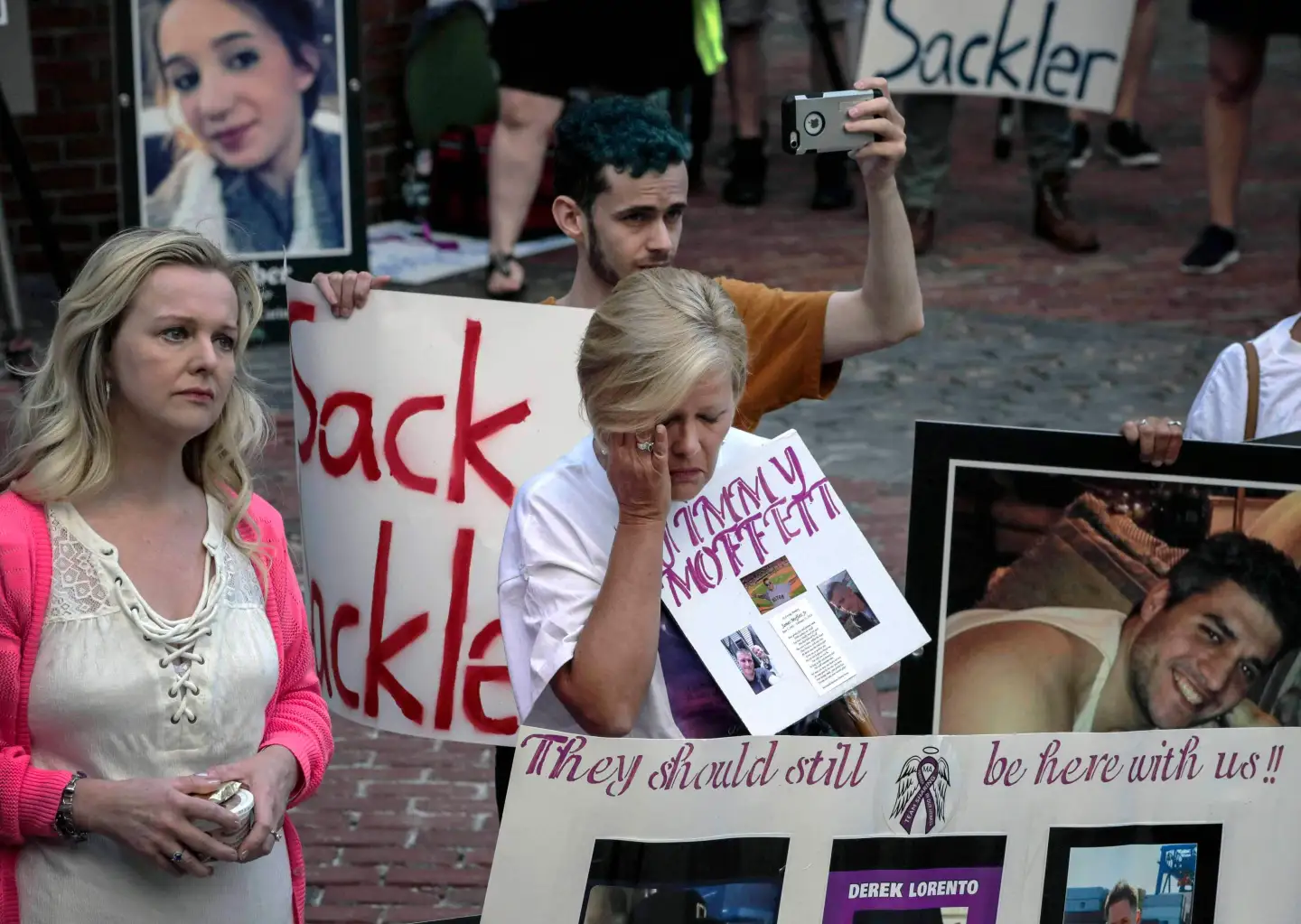
The shooting deaths of white protesters Alex Pretti and Renee Good by federal officers in Minneapolis evoked strong reactions reminiscent of the narratives surrounding Black victims of police violence. Families who have endured similar losses reflected on the quickness of authorities to label the victims in a negative light, recalling painful memories of their own battles for justice.
Timothy Welbeck from Temple University's Center for Anti-Racism remarked that it is a tragic irony that these events unfolded within the same context as previous high-profile cases, including those of George Floyd and Philando Castile, drawing attention to how narratives shape public perception and the process of seeking justice.
Clarence Castile articulated the frustration felt by many when law enforcement quickly defended their actions, citing fears for safety without thoroughly investigating the incidents first. This reflex highlights a pattern in which narratives around police shootings consistently favor law enforcement, often leading to public misconceptions.
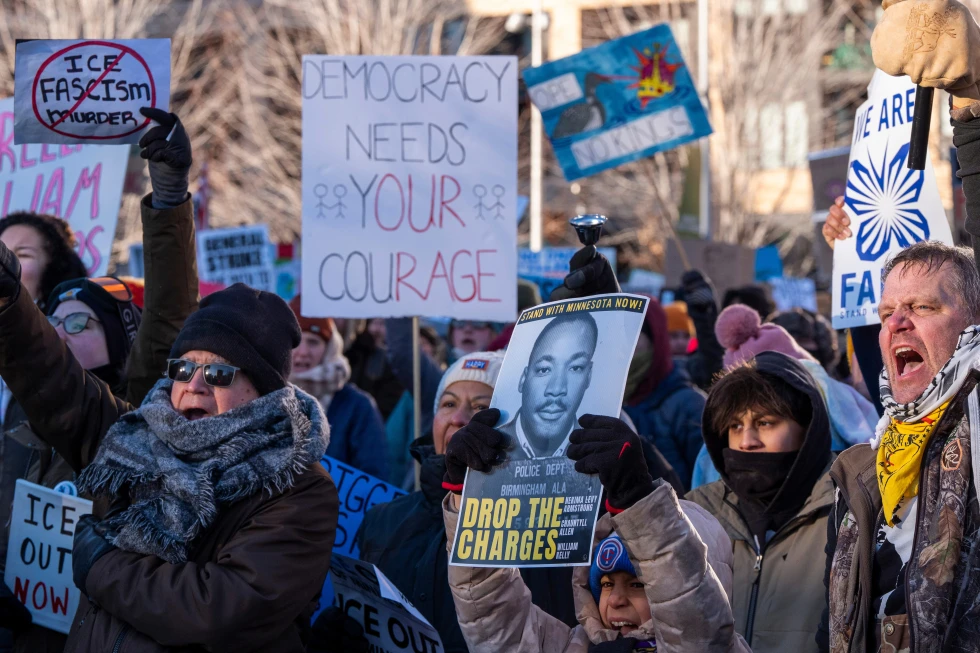
As the community grapples with these events, the outcry surrounding the deaths of Pretti and Good has united different advocates who stress that the fight against police violence is a shared struggle, regardless of the race of the victim. Activist Melina Abdullah emphasized that the pain suffered by these individuals mirrors the everyday reality faced by Black individuals, making it crucial for collective support in seeking justice.
Amid the rising outrage at the narratives emerging from these incidents, calls for accountability and integrity in the investigation process have been highlighted. Experts advocate for law enforcement agencies to refrain from rushing to public conclusions, stressing the importance of protecting the integrity of ongoing investigations.
Tiffany Crutcher, whose brother Terence was killed by police in 2016, shared the emotional toll of witnessing similar patterns of behavior from law enforcement and expressed hope that the tragic circumstances surrounding Pretti and Good can propel broader societal change towards equitable justice.