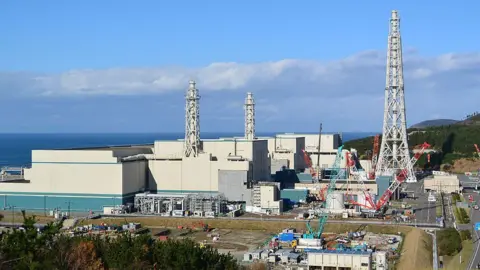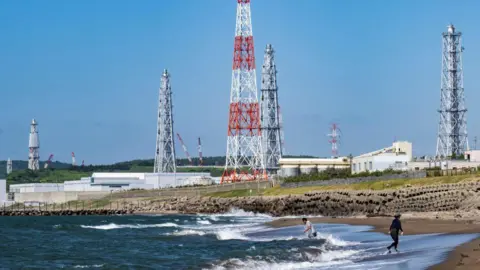
Japan has restarted operations at the world's largest nuclear power plant for the first time since the 2011 Fukushima disaster forced the country to shut all of its reactors.
The decision to restart reactor number 6 at Kashiwazaki-Kariwa north-west of Tokyo was taken despite local residents' safety concerns. The restart was delayed by a day due to an alarm malfunction and is expected to commence commercial operations next month.
Heavily reliant on energy imports, Japan was an early adopter of nuclear power. Following the 2011 disaster, all 54 reactors were shut down in response to the most powerful earthquake recorded in the nation that triggered a catastrophic meltdown at Fukushima Daiichi.
This latest action is part of Japan's nuclear power reboot; however, it faces significant challenges ahead. The seventh reactor at Kashiwazaki-Kariwa is not anticipated to restart until 2030, leaving the plant's capacity diminished compared to its previous operational state of 8.2 gigawatts.
The Fukushima disaster led to not only radioactive leakage but also forced the evacuation of many local communities, with some never returning despite claims of safety. Critics have pointed fingers at the Tokyo Electric Power Company (Tepco), citing their ineffective preparedness and response during the crisis.
Years later, public sentiment towards nuclear energy has seen a shift; the continued restart of reactors has highlighted a balance between energy needs and safety uncertainties. Japan's Prime Minister, Sanae Takaichi, advocates for reviving the nuclear power sector to ensure energy self-sufficiency amid rising demand from tech industries.
Despite advancements in safety protocols post-Fukushima, skepticism remains around the reliability of nuclear power, especially amidst recent scandals involving Tepco that have shaken public trust. The country’s path towards net-zero emissions by 2050 depends heavily on nuclear energy, but the rising costs and safety investments challenge this ambition.
Experts indicate that while nuclear power remains a key component, Japan's approach still lacks vision towards alternative energy sources and a comprehensive disaster recovery plan that takes future environmental changes into account.
The restart of the Kashiwazaki-Kariwa plant encapsulates Japan's precarious relationship with nuclear energy, raising questions about the balance between economic necessity and public safety in an energy-strapped nation.