The Trump administration has quickly abandoned its familiar 'deny and attack' playbook after initially using it when federal agents shot dead Alex Pretti in Minneapolis on Saturday morning.
Within 24 hours, as various videos of the shooting circulated online, it became clear that the White House was out of step with public opinion.
Since then, the administration – and the president himself - have changed tack, blaming Democrats for what happened and focusing less on the actions of the American nurse who was killed.
Democrats, meanwhile, have increased their criticism of the president's mass deportation policy and the aggressive tactics of Immigration and Customs Enforcement (ICE), leaning into a political fight that could result in a new government shutdown on Friday.
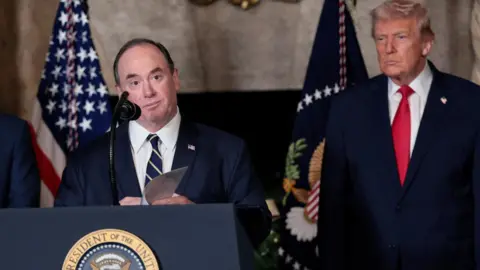
On Monday morning, Deputy Attorney General Todd Blanche described the situation as a 'powder keg'. While he blamed the Democrats, many on both sides of America's political divide will agree that the current situation is fraught with peril.
The initial administration response to Pretti's death was straightforward. The 37-year-old was portrayed as a domestic terrorist bent on bloodshed.
Homeland Security Secretary Kristi Noem said that Pretti wished to 'inflict harm' and was 'brandishing' a weapon. US Border Patrol Commander Gregory Bovino said that it 'looks like a situation where an individual wanted to do maximum damage and massacre law enforcement'.
However, White House Press Secretary Karoline Leavitt refused to echo Miller's comments when pressed on whether the president agreed with his senior adviser. Instead, she said a full investigation would be carried out, signaling a notable change in tone.
Multiple videos of Saturday's deadly encounter contradict many of the administration's initial claims, showing Pretti filming ICE agents without holding a weapon during the incident.
As public sentiment shifts against the Trump administration's handling of immigration enforcement, the president's strategy also appears to be adapting in response to growing concern among his political allies.
The current political landscape indicates that both Republicans and Democrats are grappling with how to navigate the fallout from the Minneapolis shooting and what it might mean for their future electoral strategies.