
In brief
In a recent Senate Foreign Relations Committee hearing, U.S. Secretary of State Marco Rubio defended actions taken against Venezuela, arguing they would lead to security and prosperity. While acknowledging the complexity of military interventions, he maintained that these actions are lawful and necessary to combat drug trafficking. The hearing follows the controversial removal of Nicolás Maduro from power, sparking intense discussion on U.S. policy towards Venezuela's future.
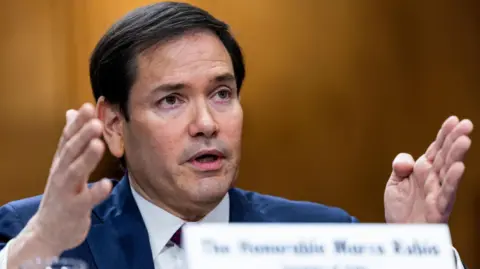
During a heated session, Secretary Rubio addressed the Senate Foreign Affairs Committee, where he faced tough questions regarding U.S. military operations in Venezuela. The committee had long sought clarity on U.S. actions involving airstrikes in Caracas and the highly publicized removal of Nicolás Maduro.
Rubio emphasized that claims of U.S. aggression are unfounded, asserting, We did not occupy a country. There are no U.S. troops on the ground, framing the military operations as necessary law enforcement against drug trafficking.
Skeptical lawmakers, including Senator Rand Paul, challenged the justification for military engagement, with Rubio steadfastly insisting the interventions were ultimately aimed at restoring stability and prosperity in Venezuela.
Despite the fierce opposition, Rubio extended a hopeful vision for Venezuela, describing it as a critically ill patient that would benefit from the Trump administration's interventions. He projected that the restructuring of the Venezuelan oil industry under U.S. control would enhance the nation’s economic prospects.
As the hearing unfolded, it became clear that the U.S. government’s agenda under Rubio’s leadership would entail significant changes in Venezuela's governance and economic relations. Whether these changes will stand the test of time remains to be seen as the political dynamics in both Venezuela and the wider region evolve.


